
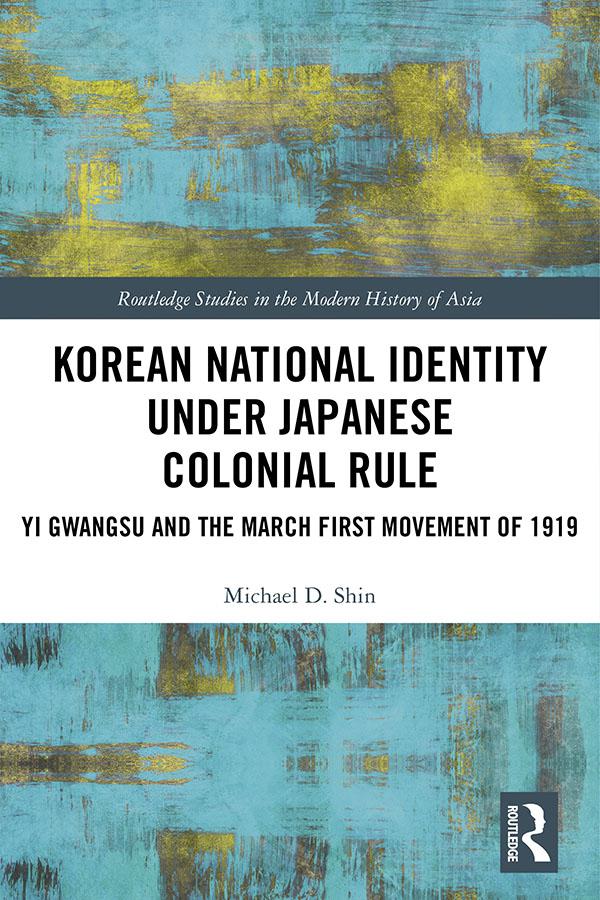
Modern Korean nationalism has been shaped by the turbulent historical forces that shook and transformed the peninsula during the twentieth century, including foreign occupation, civil war, and division. This book examines the emergence of the nation as the hegemonic form of collective identity after the March First Movement of 1919, widely seen as one of the major turning points of modern Korean history. The analysis focuses on Yi Gwangsu (1892–1950), a pioneering novelist, newspaper editor, and leader of the nationalist movement, who was directly involved in many aspects of its emergence during the Japanese occupation period. Yi Gwangsu was one of the few intellectuals who not only wrote for almost the entirety of the colonial period but who also was centrally involved in many institutions related to the production of identity. By focusing on Yi Gwangsu the book provides a different kind of historical narrative linking the various fragments of the nation, puts forward a new understanding of the March First Movement and its role in the emergence of the nation, and demonstrates how central to the emergence of the nation were the development of the print industry, the rise of a modern readership, and the emergence of a capitalist market for print. This book shows how the March First Movement catalyzed the confluence of these factors, enabling the nation to emerge as the dominant form of collective identity.
Betal enkelt med kort, Klarna, Apple Pay eller Google Pay. Ikke fornøyd? Du har alltid 14 dagers angrerett. Les mer i våre vilkår. Har du spørsmål, send oss en e-post på hello@memmo.org.
Memmo gjør det enklere å studere – uansett hvor du er i verden. Hos oss samler du pensumbøker og smarte studieverktøy på ett og samme sted: sammendrag, quizer, podkaster og flashcards. Og så Ted, din studiekompis som svarer på alt du lurer på. Over 50 000 studenter studerer allerede her – bygget for at du skal lære raskere og stresse mindre.
Du vil kanskje også like
Kjøp boken0