
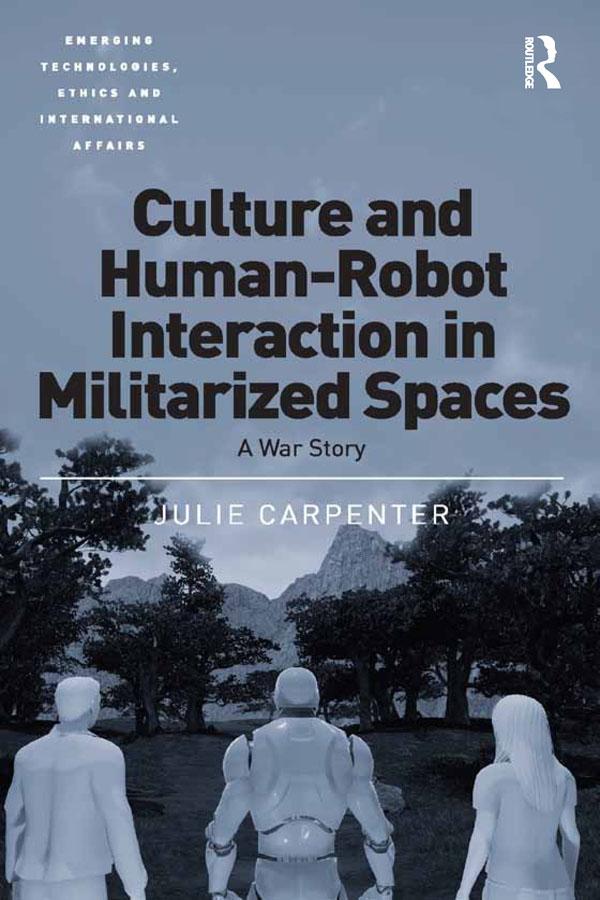
Explosive Ordnance Disposal (EOD) personnel are some of the most highly trained people in the military, with a job description that spans defusing unexploded ordnance to protecting VIP’s and state dignitaries. EOD are also one of the first military groups to work with robots every day. These robots have become an increasingly important tool in EOD work, enabling people to work at safer distances in many dangerous situations. Based on exploratory research investigating interactions between EOD personnel and the robots they use, this study richly describes the nuances of these reciprocal influences, especially those related to operator emotion associated with the robots. In particular, this book examines the activities, processes and contexts that influence or constrain everyday EOD human-robot interactions, what human factors are shaping the (robotic) technology and how people and culture are being changed by using it. The findings from this research have implications for future personnel training, and the refinement of robot design considerations for many fields that rely on critical small group communication and decision-making skills.
Betal enkelt med kort, Klarna, Apple Pay eller Google Pay. Ikke fornøyd? Du har alltid 14 dagers angrerett. Les mer i våre vilkår. Har du spørsmål, send oss en e-post på hello@memmo.org.
Memmo gjør det enklere å studere – uansett hvor du er i verden. Hos oss samler du pensumbøker og smarte studieverktøy på ett og samme sted: sammendrag, quizer, podkaster og flashcards. Og så Ted, din studiekompis som svarer på alt du lurer på. Over 50 000 studenter studerer allerede her – bygget for at du skal lære raskere og stresse mindre.
Du vil kanskje også like
Kjøp boken0