
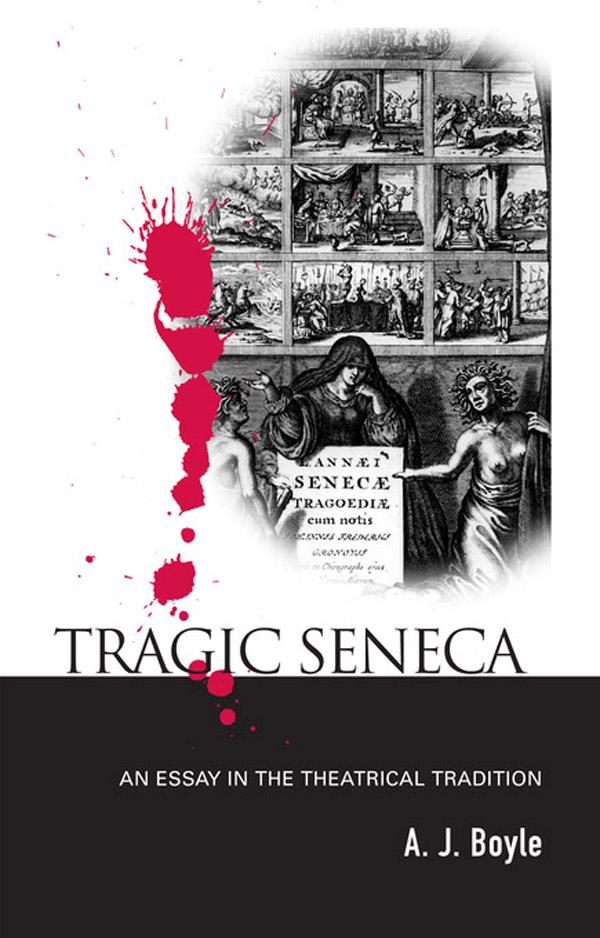
Tragic Seneca undertakes a radical re-evaluation of Seneca's plays, their relationship to Roman imperial culture and their instrumental role in the evolution of the European theatrical tradition.
Following an introduction on the history of the Roman theatre, the book provides a dramatic and cultural critique of the whole of Seneca's corpus, analysing the declamatory form of the plays, their rhetoric, interiority, stagecraft and spectacle, dramatic, ideological and moral structure and their overt theatricality. Each of Seneca's plays is examined in detail, locating the force of Senecan drama not only in the moral complexity of the texts and their representations of power, violence, history, suffering and the self, but the semiotic interplay of text, tradition and culture.
The later chapters focus on Seneca's influence on Italian, English and French drama of the Renaissance. A.J. Boyle argues that tragedians such as Cinthio, Kyd, Marlowe, Shakespeare, Webster, Corneille, and Racine owe a debt to Seneca that goes beyond allusion, dramatic form and the treatment of tyranny and revenge to the development of the tragic sensibility and the metatheatrical mind.
Tragic Seneca attempts to restore Seneca to a central position in the European literary tradition. It will provide readers and directors of Seneca's plays with the essential critical guide to their intellectual, cultural and dramatic complexity.
Betal enkelt med kort, Klarna, Apple Pay eller Google Pay. Ikke fornøyd? Du har alltid 14 dagers angrerett. Les mer i våre vilkår. Har du spørsmål, send oss en e-post på hello@memmo.org.
Memmo gjør det enklere å studere – uansett hvor du er i verden. Hos oss samler du pensumbøker og smarte studieverktøy på ett og samme sted: sammendrag, quizer, podkaster og flashcards. Og så Ted, din studiekompis som svarer på alt du lurer på. Over 50 000 studenter studerer allerede her – bygget for at du skal lære raskere og stresse mindre.