
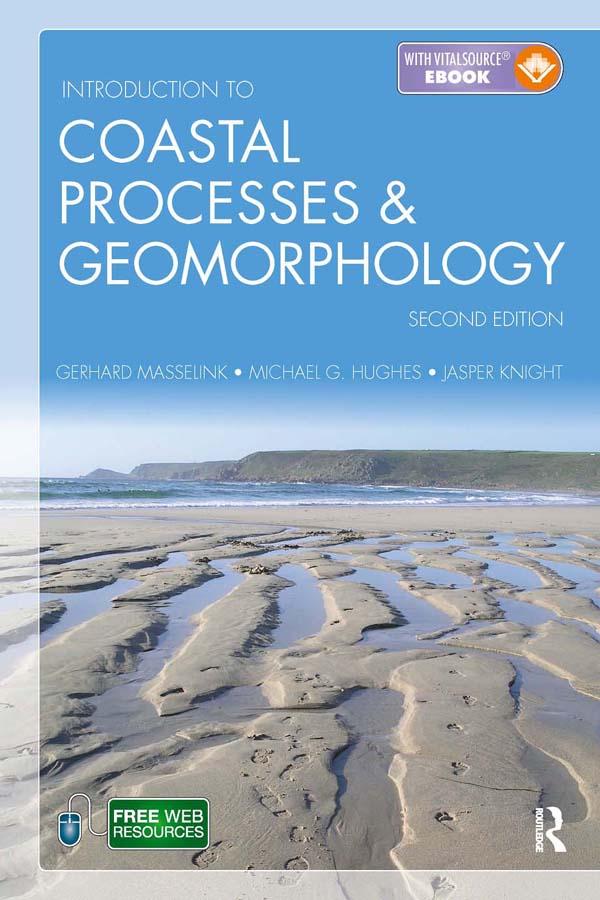
The world's coastlines represent a myriad of dynamic and constantly changing environments. Heavily settled and intensely used areas, they are of enormous importance to humans and understanding how they are shaped and change is crucial to our future.
Introduction to Coastal Processes and Geomorphologybegins by discussing coastal systems and shows how these systems link to the processes examined in detail throughout the book. These include the morphodynamic paradigm, tides, waves and sediment transport. Later chapters explore fluvial deltas, estuaries, beaches and barriers, coastal sand dunes and geologically-influenced coasts such as cliffs, coral reefs and atolls.
A new chapter addresses the forward-facing aspect of coastal morphodynamics, including the ways in which coasts respond to rapid climate changes such as present day global warming. Also new to this second edition is a chapter on future coasts which considers the wider effects of coastal change on other important aspects of coastal systems, including ecology, management, socio-cultural activities, built and natural heritage, and archaeology.
Case studies using examples from around the world illustrate theory in practice and bring the subject to life. Each chapter starts by outlining the 'aims' and questions at the end allow you to track your progress.
This book is accompanied by additional resources online at www.hodderplus.com/geography including:
The book edition is in VitalBookTM Bookshelf - an book reader which allows you to:
Betal enkelt med kort, Klarna, Apple Pay eller Google Pay. Ikke fornøyd? Du har alltid 14 dagers angrerett. Les mer i våre vilkår. Har du spørsmål, send oss en e-post på hello@memmo.org.
Memmo gjør det enklere å studere – uansett hvor du er i verden. Hos oss samler du pensumbøker og smarte studieverktøy på ett og samme sted: sammendrag, quizer, podkaster og flashcards. Og så Ted, din studiekompis som svarer på alt du lurer på. Over 50 000 studenter studerer allerede her – bygget for at du skal lære raskere og stresse mindre.