
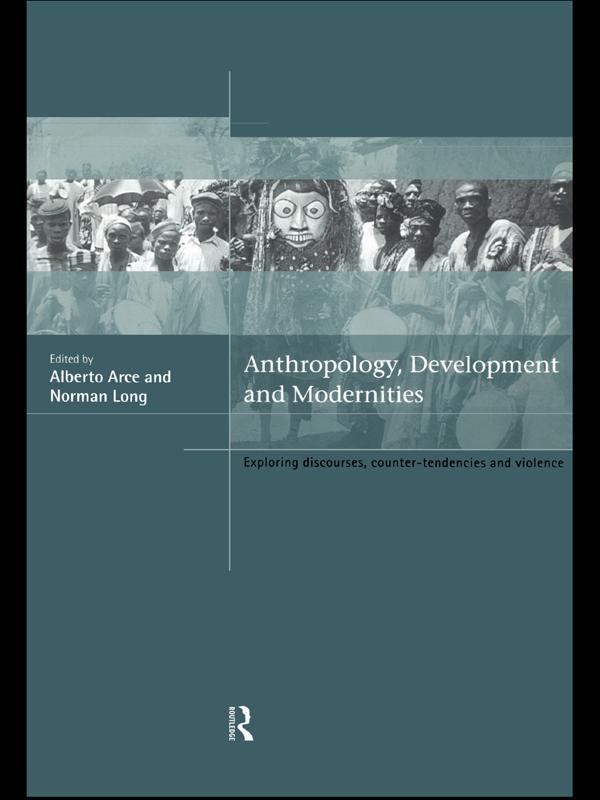
While the diffusion of modernity and the spread of development schemes may bring prosperity, optimism and opportunity for some, for others it has brought poverty, a deterioration in quality of life and has given rise to violence. This collection brings an anthropological perspective to bear on understanding the diverse modernities we face in the contemporary world. It provides a critical review of interpretations of development and modernity, supported by rigorous case studies from regions as diverse as Guatemala, Sri Lanka, West Africa and contemporary Europe.
Together, the chapters in this volume demonstrate the crucial importance of looking to ethnography for guidance in shaping development policies. Ethnography can show how people's own agency transforms, recasts and complicates the modernities they experience. The contributors argue that explanations of change framed in terms of the dominantdiscourses and institutions of modernity are inadequate, and that we give closer attention to discourses, images, beliefs and practices that run counter to these yet play a part in shaping them and giving them meaning.
Anthropology, Development and Modernities deals with the realities of people's everyday lives and dilemmas. It is essential reading for students and scholars in anthropology, sociology and development studies. It should also be read by all those actively involved in development work.
Betal enkelt med kort, Klarna, Apple Pay eller Google Pay. Ikke fornøyd? Du har alltid 14 dagers angrerett. Les mer i våre vilkår. Har du spørsmål, send oss en e-post på hello@memmo.org.
Memmo gjør det enklere å studere – uansett hvor du er i verden. Hos oss samler du pensumbøker og smarte studieverktøy på ett og samme sted: sammendrag, quizer, podkaster og flashcards. Og så Ted, din studiekompis som svarer på alt du lurer på. Over 50 000 studenter studerer allerede her – bygget for at du skal lære raskere og stresse mindre.