
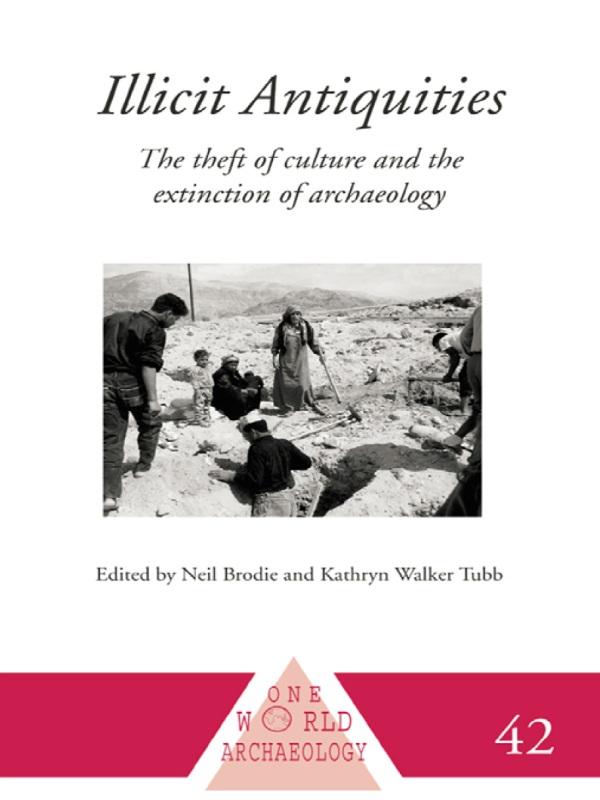
The exploitation of archaeological sites for commercial gain is a serious problem worldwide. In peace and during wartime archaeological sites and cultural institutions, both on land and underwater, are attacked and their contents robbed for sale on an international 'antiquities' market. Objects are excavated without record, smuggled across borders and sold for exorbitant prices in the salesrooms of Europe and North America. In some countries this looting has now reached such a scale as to threaten the very survival of their archaeological and cultural heritage.
This volume highlights the deleterious effects of the trade on cultural heritage, but in particular it focuses upon questions of legal and local responses: How can people become involved in the preservation of their past and what, in economic terms, are the costs and benefits? Are international conventions or export restrictions effective in diminishing the volume of the trade and the scale of its associated destruction?
Betal enkelt med kort, Klarna, Apple Pay eller Google Pay. Ikke fornøyd? Du har alltid 14 dagers angrerett. Les mer i våre vilkår. Har du spørsmål, send oss en e-post på hello@memmo.org.
Memmo gjør det enklere å studere – uansett hvor du er i verden. Hos oss samler du pensumbøker og smarte studieverktøy på ett og samme sted: sammendrag, quizer, podkaster og flashcards. Og så Ted, din studiekompis som svarer på alt du lurer på. Over 50 000 studenter studerer allerede her – bygget for at du skal lære raskere og stresse mindre.
Du vil kanskje også like
Kjøp boken0