
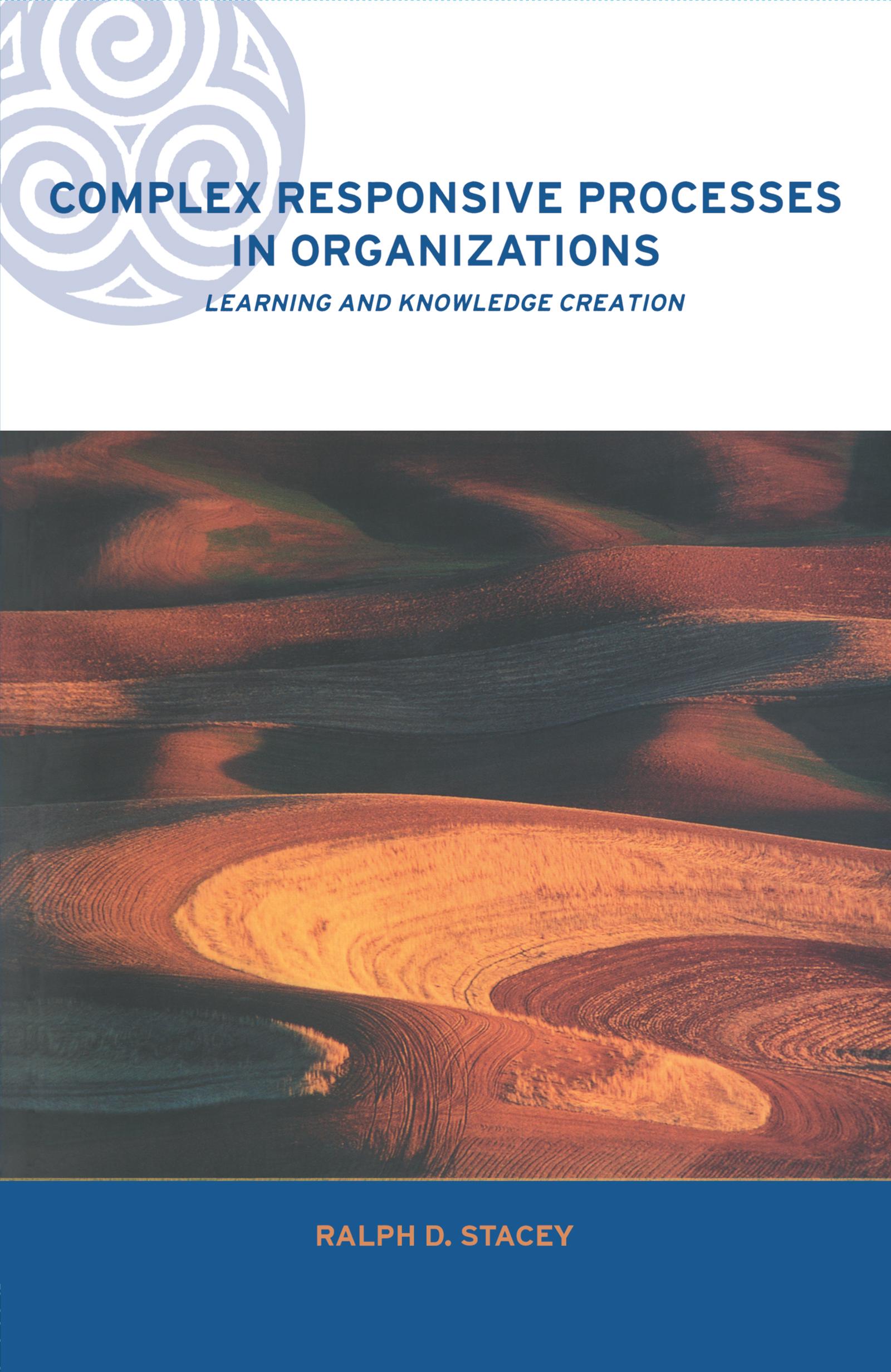
The past decade has seen increasing focus on the importance of information and knowledge in economic and social processes, the so-called 'knowledge economy'. This is reflected in the popularity amongst practicing managers and organizational theorists of notions of learning, sense-making, knowledge creation, knowledge management and intellectual capital in organizations and more recently, of emotional intelligence as an important management skill. This insightful book:
- argues that the information processing view of knowledge creation held by systems thinkers is no longer tenable
- develops the alternative perspective of Complex Responsive Processes of relating, drawing on the complexity sciences as a source for analogies with human action
- places self-organizing interaction at the centre of the knowledge creating process in organizations.
Learning and knowledge creation are seen as qualitative processes of power relating that are emotional as well as intellectual, creative as well as destructive, enabling as well as constraining, and the result is a radical questioning of the belief that organizational knowledge is essentially codified and centralized. Instead, organizational knowledge is understood to be in the relationships between people in an organization and has to do with the qualities of those relationships.
Betal enkelt med kort, Klarna, Apple Pay eller Google Pay. Ikke fornøyd? Du har alltid 14 dagers angrerett. Les mer i våre vilkår. Har du spørsmål, send oss en e-post på hello@memmo.org.
Memmo gjør det enklere å studere – uansett hvor du er i verden. Hos oss samler du pensumbøker og smarte studieverktøy på ett og samme sted: sammendrag, quizer, podkaster og flashcards. Og så Ted, din studiekompis som svarer på alt du lurer på. Over 50 000 studenter studerer allerede her – bygget for at du skal lære raskere og stresse mindre.