
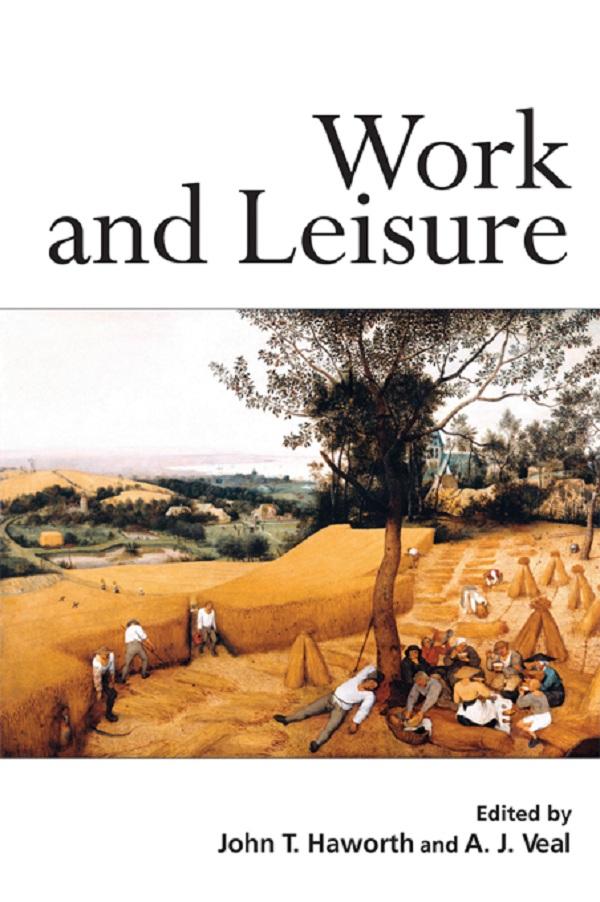
Globalization, economic development and changes in social environments have put the relationships between work, leisure, social structure and quality of life under the spotlight. Profound transformations in the nature and organization of work are occurring, with potentially far-reaching social and economic consequences. Increasingly, organizations demand greater flexibility from their workforces and are introducing new technologies and practices in response to global competitive pressures. At the same time many employees are experiencing long working hours, increasing workloads and job insecurity, along with the challenge of balancing work and domestic responsibilities. These changes threaten long-term gain in leisure time while, simultaneously, the leisure environment is also changing radically, as we see increasing commercialization and professionalization of leisure services and experiences, the influence of the Internet, the rise of gambling and the decline of community-based activity.
Exploring all of these issues, this book brings together specially commissioned chapters from international experts in a wide range of disciplines concerned with work, leisure and well-being. Each author takes stock of the current position, identifies core practical and theoretical issues and discusses possible future trends in order to provide an invaluable resource for all policy-makers, educators, employers and researchers in the field.
Betal enkelt med kort, Klarna, Apple Pay eller Google Pay. Ikke fornøyd? Du har alltid 14 dagers angrerett. Les mer i våre vilkår. Har du spørsmål, send oss en e-post på hello@memmo.org.
Memmo gjør det enklere å studere – uansett hvor du er i verden. Hos oss samler du pensumbøker og smarte studieverktøy på ett og samme sted: sammendrag, quizer, podkaster og flashcards. Og så Ted, din studiekompis som svarer på alt du lurer på. Over 50 000 studenter studerer allerede her – bygget for at du skal lære raskere og stresse mindre.