
Atheism as a belief does not have to present intellectual credentials within academia. Yet to hold beliefs means giving reasons for doing so, ones which may be found wanting. Instead, atheism is the automatic default setting within the academic world.
Conversely, religious belief confronts a double standard. Religious believers are not permitted to make truth claims but are instead forced to present their beliefs as part of one language game amongst many. Religious truth claims are expected to satisfy empiricist criteria of evidence but when they fail, as they must, religious belief becomes subject to the hermeneutics of suspicion.
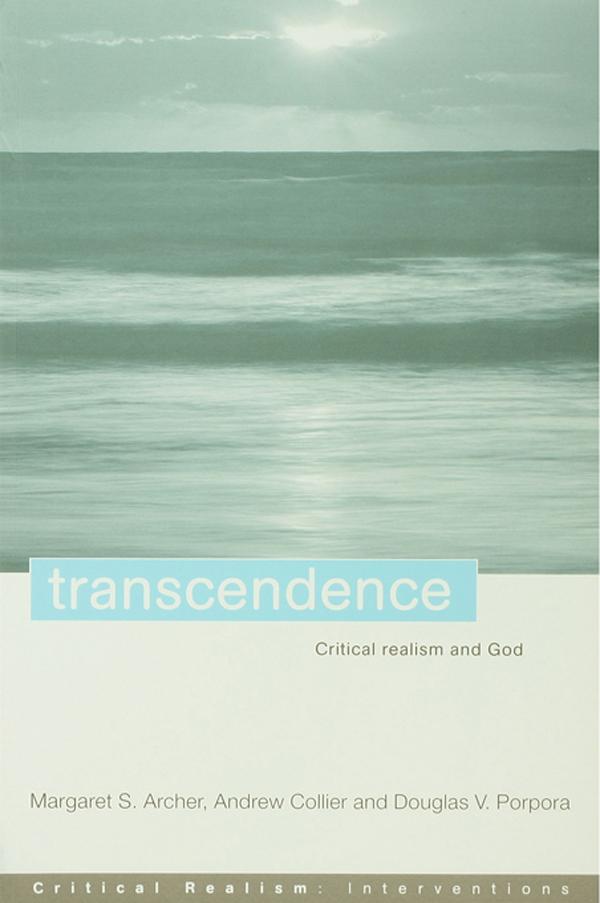
This book explores religious experience as a justifiable reason for religious belief. It uniquely demonstrates that the three pillars of critical realism - ontological intransitivity, epistemic relativity and judgemental rationality - can be applied to religion as to any other beliefs or theories.
The three authors are critical realists by philosophical position. They seek to establish a level playing field between religion and secular ideas, which has not existed in the academic world for some generations, in order for reasoned debate to be conducted.
Betal enkelt med kort, Klarna, Apple Pay eller Google Pay. Ikke fornøyd? Du har alltid 14 dagers angrerett. Les mer i våre vilkår. Har du spørsmål, send oss en e-post på hello@memmo.org.
Memmo gjør det enklere å studere – uansett hvor du er i verden. Hos oss samler du pensumbøker og smarte studieverktøy på ett og samme sted: sammendrag, quizer, podkaster og flashcards. Og så Ted, din studiekompis som svarer på alt du lurer på. Over 50 000 studenter studerer allerede her – bygget for at du skal lære raskere og stresse mindre.
Du vil kanskje også like
Kjøp boken0