
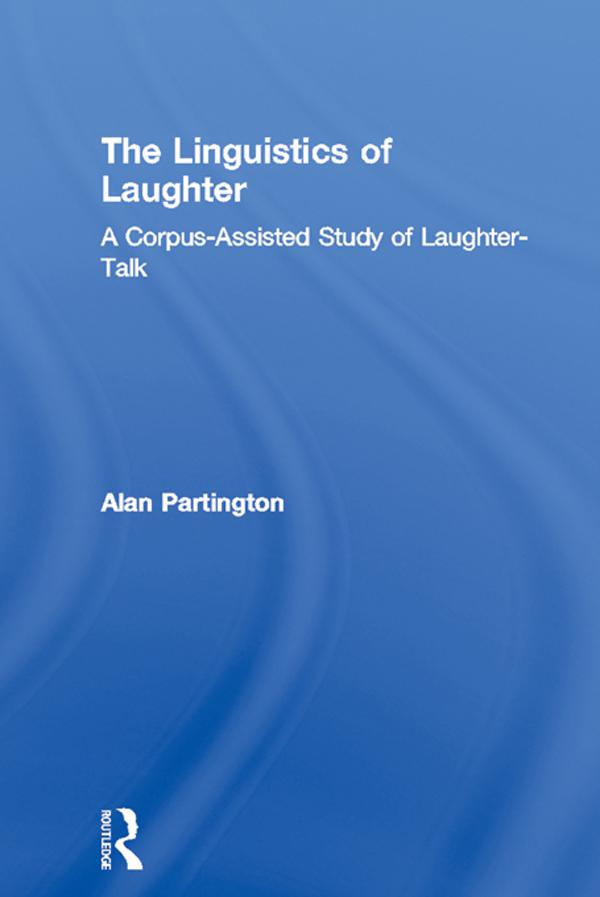
The Linguistics of Laughter examines what speakers try to achieve by producing ‘laughter-talk’ (the talk preceding and eliciting an episode of laughter) and, by using abundant examples from language corpora, what hearers are signalling when they produce laughter.
In particular, Alan Partington focuses on the tactical use of laughter-talk to achieve specific rhetorical, and strategic, ends: for example, to construct an identity, to make an argumentative point, to threaten someone else’s face or save one's own. Although laughter and humour are by no means always related, the book also considers the implications these corpus-based observations may have about humour theory in general.
As one of the first works to have recourse to such a sizeable databank of examples of laughter in spontaneous running talk, this impressive volume is an essential point of reference and an inspiration for scholars with an interest in corpus linguistics, discourse, humour, wordplay, irony and laughter-talk as a social phenomenon.
Betal enkelt med kort, Klarna, Apple Pay eller Google Pay. Ikke fornøyd? Du har alltid 14 dagers angrerett. Les mer i våre vilkår. Har du spørsmål, send oss en e-post på hello@memmo.org.
Memmo gjør det enklere å studere – uansett hvor du er i verden. Hos oss samler du pensumbøker og smarte studieverktøy på ett og samme sted: sammendrag, quizer, podkaster og flashcards. Og så Ted, din studiekompis som svarer på alt du lurer på. Over 50 000 studenter studerer allerede her – bygget for at du skal lære raskere og stresse mindre.