
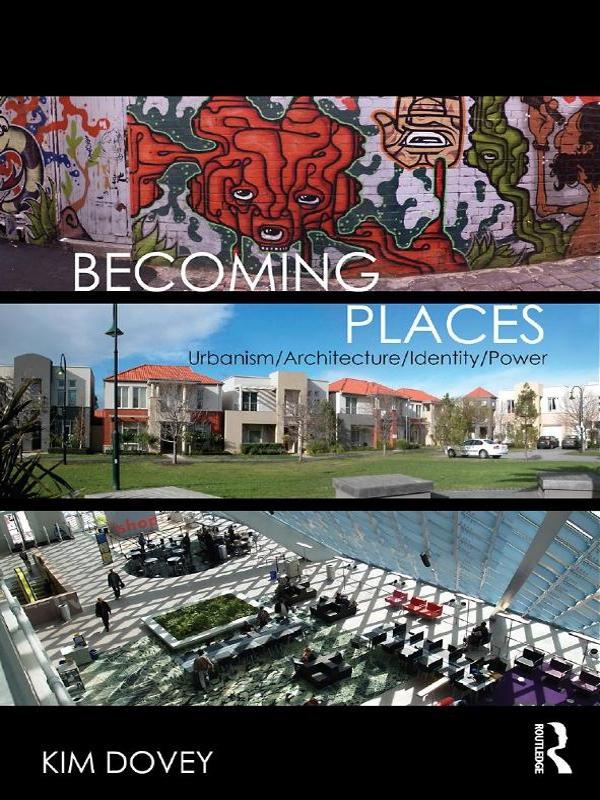
About the practices and politics of place and identity formation – the slippery ways in which who we are becomes wrapped up with where we are – this book exposes the relations of place to power. It links everyday aspects of place experience to the social theories of Deleuze and Bourdieu in a very readable manner. This is a book that takes the social critique of built form another step through detailed fieldwork and analysis in particular case studies.
Through a broad range of case studies from nationalist monuments and new urbanist suburbs to urban laneways and avant garde interiors, questions are explored such as: What is neighborhood character? How do squatter settlements work and does it matter what they look like? Can architecture liberate? How do monuments and public spaces shape or stabilize national identity?
Betal enkelt med kort, Klarna, Apple Pay eller Google Pay. Ikke fornøyd? Du har alltid 14 dagers angrerett. Les mer i våre vilkår. Har du spørsmål, send oss en e-post på hello@memmo.org.
Memmo gjør det enklere å studere – uansett hvor du er i verden. Hos oss samler du pensumbøker og smarte studieverktøy på ett og samme sted: sammendrag, quizer, podkaster og flashcards. Og så Ted, din studiekompis som svarer på alt du lurer på. Over 50 000 studenter studerer allerede her – bygget for at du skal lære raskere og stresse mindre.