
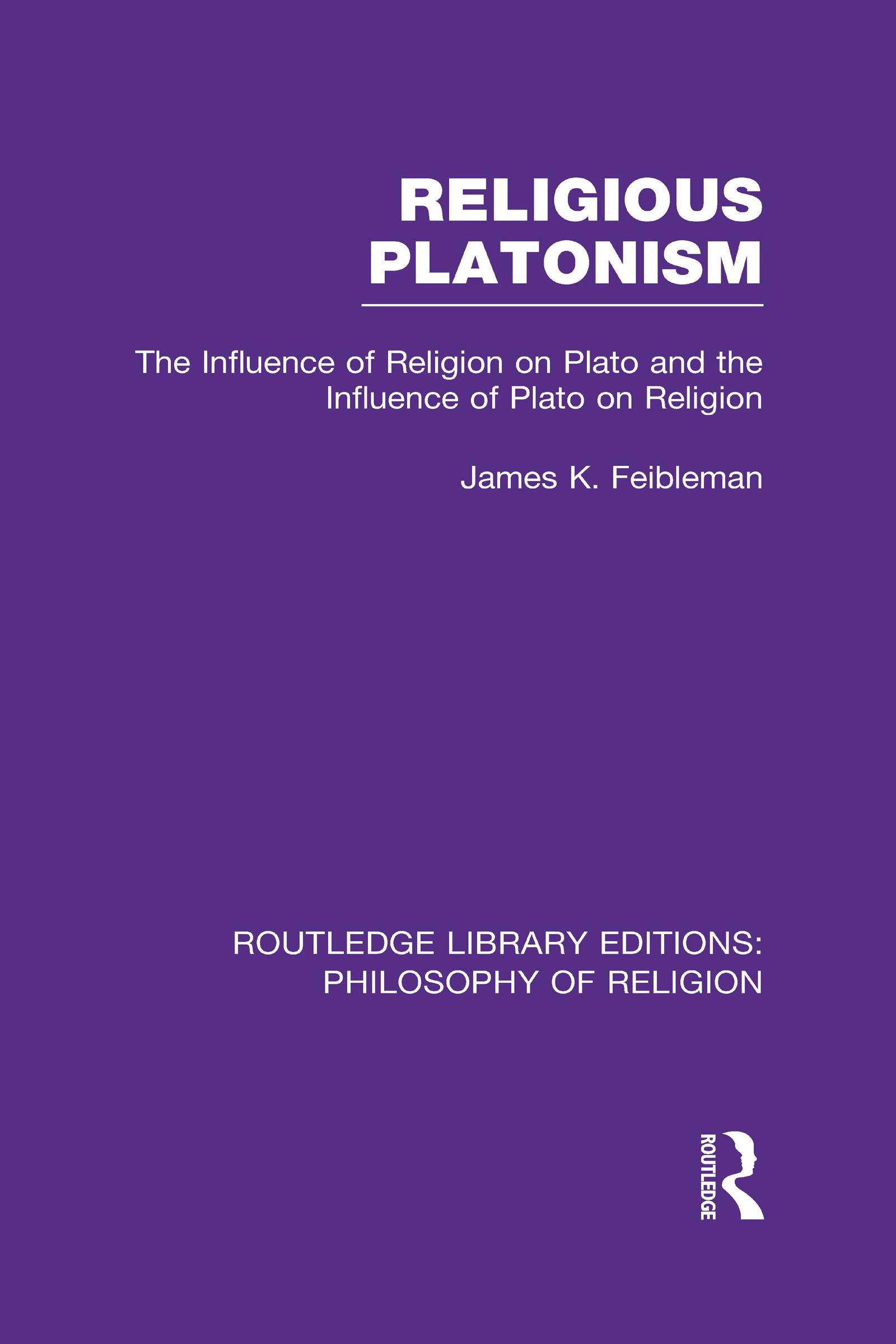
In Plato’s Laws is the earliest surviving fully developed cosmological argument. His influence on the philosophy of religion is wide ranging and this book examines both that and the influence of religion on Plato.
Central to Plato’s thought is the theory of forms, which holds that there exists a realm of forms, perfect ideals of which things in this world are but imperfect copies. In this book, originally published in 1959, Feibleman finds two diverse strands in Plato’s philosophy: an idealism centered upon the Forms denying full ontological status to the realm of becoming, and a moderate realism granting actuality equal reality with Forms. For each strand Plato developed a conception of religion: a supernatural one derived from Orphism, and a naturalistic religion revering the traditional Olympian deities.
Betal enkelt med kort, Klarna, Apple Pay eller Google Pay. Ikke fornøyd? Du har alltid 14 dagers angrerett. Les mer i våre vilkår. Har du spørsmål, send oss en e-post på hello@memmo.org.
Memmo gjør det enklere å studere – uansett hvor du er i verden. Hos oss samler du pensumbøker og smarte studieverktøy på ett og samme sted: sammendrag, quizer, podkaster og flashcards. Og så Ted, din studiekompis som svarer på alt du lurer på. Over 50 000 studenter studerer allerede her – bygget for at du skal lære raskere og stresse mindre.