
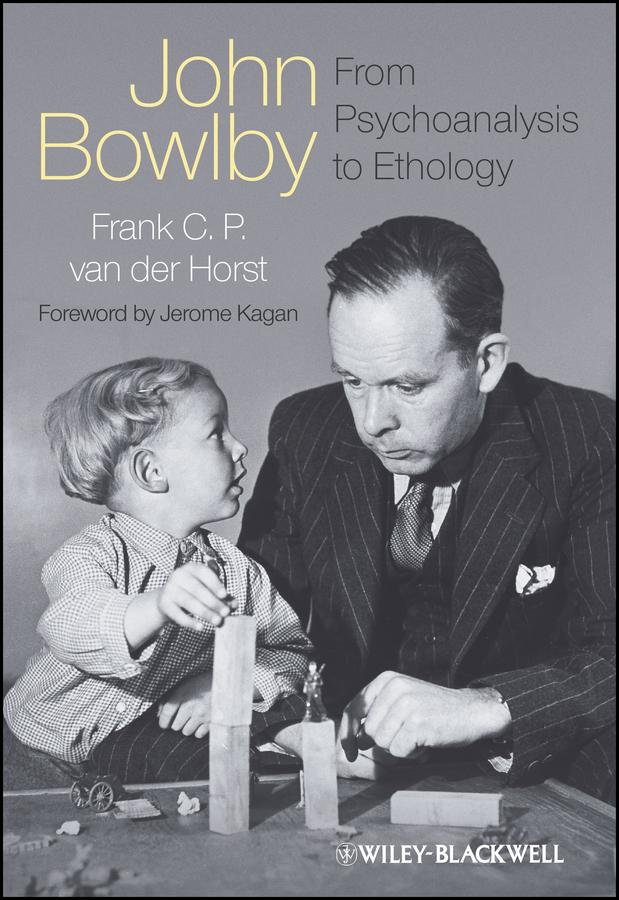
This accessible book draws on unique evidence from oral histories and little-known archive material to shed new light on the working relationships which led to John Bowlby’s shift from psychoanalysis to ethology as a frame of reference – and ultimately to the development of attachment theory.
- A unique exploration of the origins of Bowlby’s ideas and the critical transformation in his thinking – offers an alternative to standard accounts of the origin of attachment theory
- Explores the significance of Bowlby’s influential working relationships with Robert Hinde, Harry Harlow, James Robertson and Mary Ainsworth
- Provides students, academics, and practitioners with clear insights into the development of attachment theory
- Accessible to general readers interested in psychology and psychoanalysis
Betal enkelt med kort, Klarna, Apple Pay eller Google Pay. Ikke fornøyd? Du har alltid 14 dagers angrerett. Les mer i våre vilkår. Har du spørsmål, send oss en e-post på hello@memmo.org.
Memmo gjør det enklere å studere – uansett hvor du er i verden. Hos oss samler du pensumbøker og smarte studieverktøy på ett og samme sted: sammendrag, quizer, podkaster og flashcards. Og så Ted, din studiekompis som svarer på alt du lurer på. Over 50 000 studenter studerer allerede her – bygget for at du skal lære raskere og stresse mindre.