
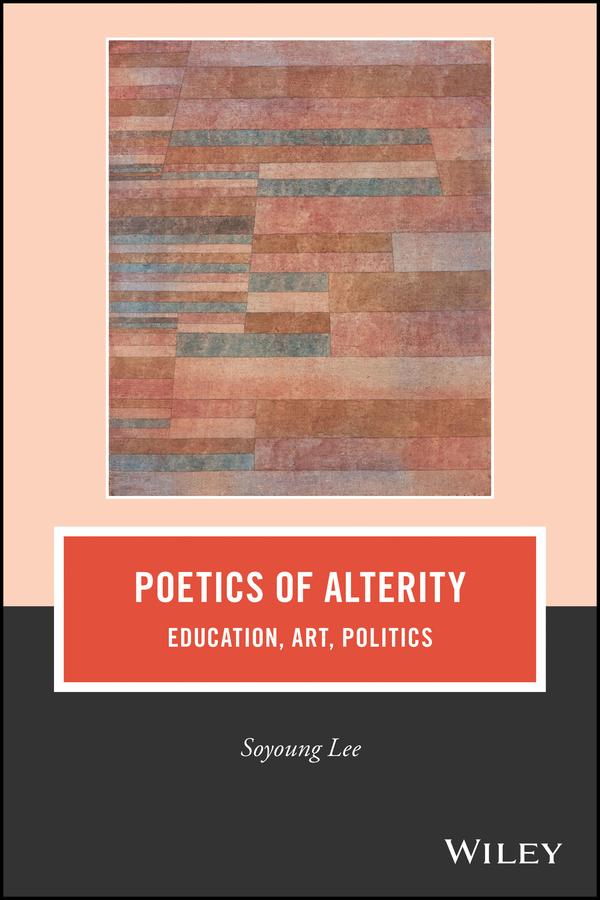
Education today is commonly oriented towards citizenship and skills for life, with aims of happiness and wellbeing. But this benign image harbours surreptitious forms of control, which ultimately undermine the goods it professes to safeguard and stifle education’s very purpose. What release can there be from these constrictions? Release is to be found, as Soyoung Lee eloquently shows, by attending to elements of experience that seem to escape our grip, from challenging aspects of our moral lives to struggles over practicalities of curriculum content. The more robust, more outward-turning orientation she demonstrates emphasises engagement with subject-matter, with problems and forms of narrative, that defy pre-determined formulations and categories. This requires turning towards objects worthy of attention and towards people and their claims on us. The arts and the humanities have special importance as spaces where alterity presents and expresses itself. Lee’s dialogue with Heidegger, Levinas, Derrida, and Celan shows how acknowledgement of the other must condition not only practices of teaching and learning but practicalities of our social and political lives. Attending to anxieties inherent in teaching and learning, in school and the wider world, the book’s powerful rationale for the curriculum provides nothing less than a new grounding for the humanities.
Betal enkelt med kort, Klarna, Apple Pay eller Google Pay. Ikke fornøyd? Du har alltid 14 dagers angrerett. Les mer i våre vilkår. Har du spørsmål, send oss en e-post på hello@memmo.org.
Memmo gjør det enklere å studere – uansett hvor du er i verden. Hos oss samler du pensumbøker og smarte studieverktøy på ett og samme sted: sammendrag, quizer, podkaster og flashcards. Og så Ted, din studiekompis som svarer på alt du lurer på. Over 50 000 studenter studerer allerede her – bygget for at du skal lære raskere og stresse mindre.