
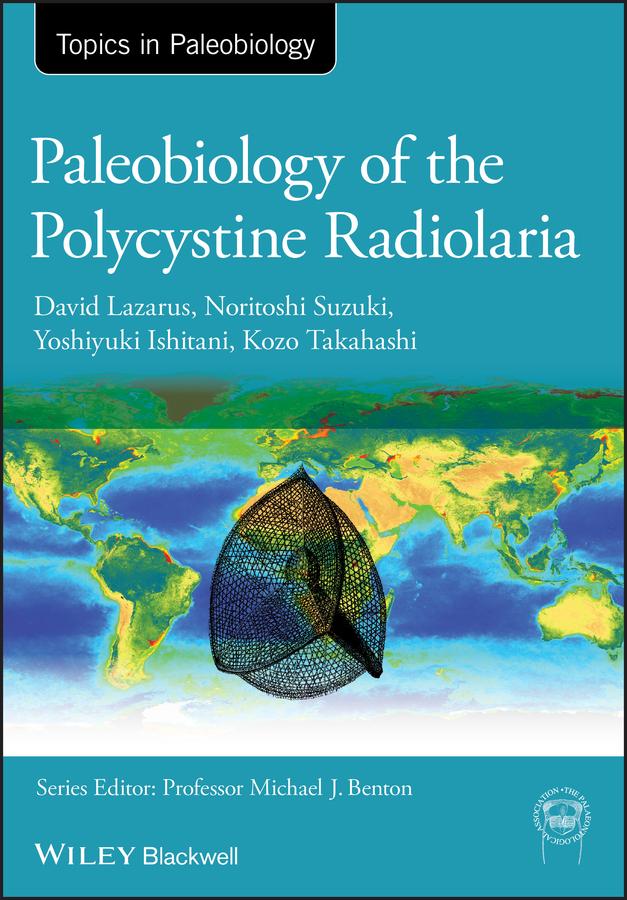
Polycystine radiolaria are exclusively marine protists and are found in all ocean waters, from polar regions to the tropics, and at all water depths. There are approximately 600 distinct described living species and several thousand fossil species of polycystines. Radiolarians in general, and polycystines in particular, have recently been shown to be a major component of the living plankton and important to the oceanic carbon cycle. As fossils radiolarians are also fairly common, and often occur in sediments where other types of fossils are absent. This has made them very valuable for certain types of geologic research, particularly estimating the geologic age of the sediments containing them, and as guides to past oceanic water conditions. As our current understanding of the biology, and even taxonomy of the living fauna is still very incomplete, evolutionary studies based on living polycystines are still rare. However, the common occurrence of numerous specimens for many species, and in a wide variety of oceanic environments, provides an excellent opportunity to study the processes of biologic evolution in the fossil record.
Paleobiology of the Polycystine Radiolaria is the first major book on radiolarians to appear in the western literature since 2001. Focusing on living and fossil siliceous shelled radiolarians, it is notable for its emphasis not upon morphologic or taxonomic detail but on concepts and applications. The book attempts to provide a balanced, critical review of what is known of the biology, ecology, and fossil record of the group, as well as their use in evolutionary, biostratigraphic and paleoceanographic research. Full chapters on the history of study, and molecular biology, are the first ever in book form.
Written for an audience of advanced undergraduate to doctoral students, as well as for a broad range of professionals in the biological and Earth sciences, Paleobiology of the Polycystine Radiolaria summarizes current understanding of the marine planktonic protist group polycystine radiolaria, both in living and fossil form.
Betal enkelt med kort, Klarna, Apple Pay eller Google Pay. Ikke fornøyd? Du har alltid 14 dagers angrerett. Les mer i våre vilkår. Har du spørsmål, send oss en e-post på hello@memmo.org.
Memmo gjør det enklere å studere – uansett hvor du er i verden. Hos oss samler du pensumbøker og smarte studieverktøy på ett og samme sted: sammendrag, quizer, podkaster og flashcards. Og så Ted, din studiekompis som svarer på alt du lurer på. Over 50 000 studenter studerer allerede her – bygget for at du skal lære raskere og stresse mindre.