
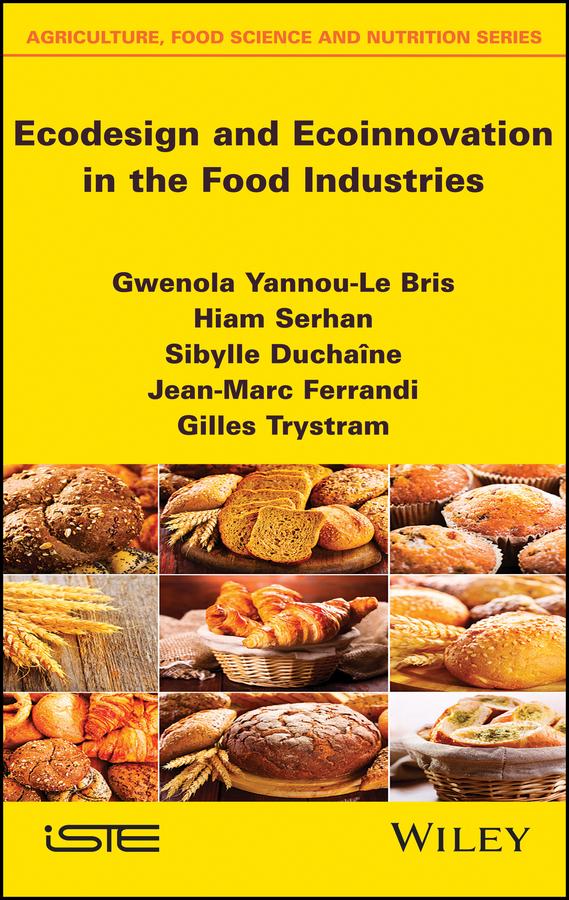
Innovations of agri-food systems during the last 50 years have been guided by a globalized agro-industrial paradigm, which has contributed to climate change, degradation of natural resources, soil depletion, social inequalities, loss of biodiversity and various food-related health problems. Despite the increasing emphasis of food policies and research to address these issues with ecologically sustainable innovations, there are still no studies that explain how to utilize and integrate ecodesign practices in food products development in a world of finite resources. This book explains how to employ ecodesign in business models to address the economic, social, environmental, and nutritional problems that face the world�s food systems. The lessons of the ÉcoTrophélia project ? a unique program implemented by a group of European agricultural higher education institutions to involve students in designing and developing food ecoinnovation projects ? are explored. Through an analysis of these projects, the authors describe the tools, methods and standards that were developed to institute ecodesign into the business models of 11 ecologically-friendly food products. This book provides operational good practices that can be implemented in educational programs and agri-food industries, to orient learning and practices towards greater sustainability.
Sider: 320
Kategori: Miljövetenskap & Klimat
e-ISBN: 9781119687368
Fraktvekt: 1.2 kg
Sendes innen: 1-2 dager
Betal enkelt med kort, Klarna, Apple Pay eller Google Pay. Ikke fornøyd? Du har alltid 14 dagers angrerett. Les mer i våre vilkår. Har du spørsmål, send oss en e-post på hello@memmo.org.
Memmo gjør det enklere å studere – uansett hvor du er i verden. Hos oss samler du pensumbøker og smarte studieverktøy på ett og samme sted: sammendrag, quizer, podkaster og flashcards. Og så Ted, din studiekompis som svarer på alt du lurer på. Over 50 000 studenter studerer allerede her – bygget for at du skal lære raskere og stresse mindre.