
“The consensus amongst the leading researchers in the offender treatment area is that the comprehensive and sophisticated clinical methods the authors have derived for offender treatment are unsurpassed. Indeed, they have formed the basis for what is known as the core correctional practices for reducing anti-social behavior.”
Paul Gendreau, Professor Emeritus, University of New Brunswick
“Bush and colleagues’ phenomenologically based approach to offender rehabilitation is based explicitly on the stories they have collected from prisoners and probationers and is a welcome contribution to an academic literature that too often obfuscates the actual work involved in delivering help to the hardest to reach in the criminal justice system.”
Shadd Maruna, Ph.D., Dean of the Rutgers School of Criminal Justice
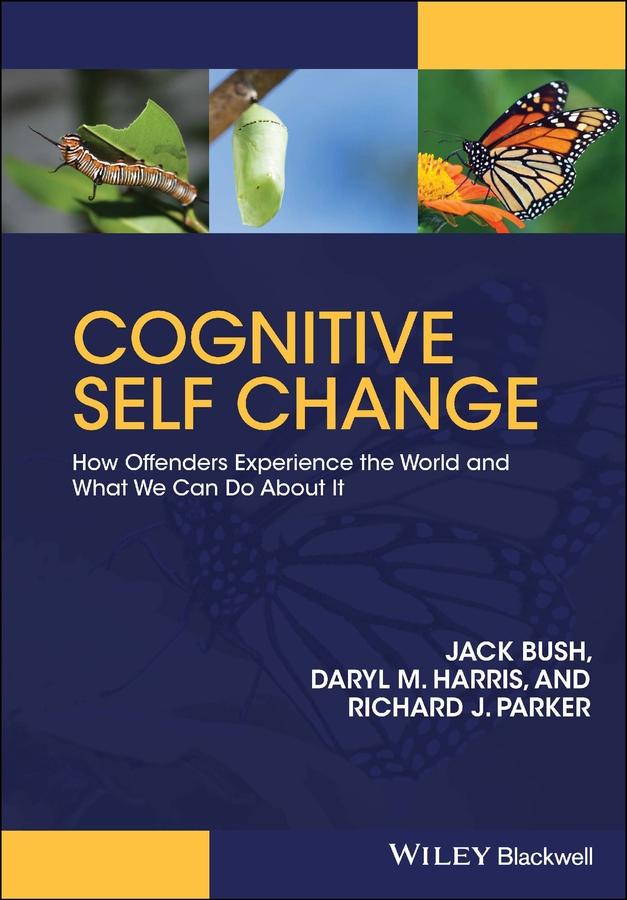
Cognitive Self Change presents a practical guide to rehabilitation based on understanding the way individual offenders experience themselves and the world around them at the moment they offend. De-incentivizing criminal behavior and replacing it with self-empowered change are the keys to upending the traditionally antagonistic relationship between criminals and those meant to help them change. The authors, with their experience of working with offenders and implementing rehabilitation programs, have drawn together clinical and academic perspectives on the treatment of high-risk offenders, analyzing current approaches to treatment and the problems encountered in their application.
Cognitive Self Change rejects the traditional dichotomy of control versus treatment, devising instead a strategy that integrates both. Focusing on high-risk and “hard-core” offenders, not just those that are “ready to change,” they discuss why offenders offend, why they are seldom motivated to change, and why they often fail to engage in treatment. This leads to a strategy of communication that teaches offenders a set of skills they can use to change themselves, and that motivates them to do so.
Betal enkelt med kort, Klarna, Apple Pay eller Google Pay. Ikke fornøyd? Du har alltid 14 dagers angrerett. Les mer i våre vilkår. Har du spørsmål, send oss en e-post på hello@memmo.org.
Memmo gjør det enklere å studere – uansett hvor du er i verden. Hos oss samler du pensumbøker og smarte studieverktøy på ett og samme sted: sammendrag, quizer, podkaster og flashcards. Og så Ted, din studiekompis som svarer på alt du lurer på. Over 50 000 studenter studerer allerede her – bygget for at du skal lære raskere og stresse mindre.