
Før Memmo var notatene mine spredt overalt i PDF-er. Nå samler et arbeidsområde alt på ett sted – jeg ser akkurat hva som gjenstår å studere.
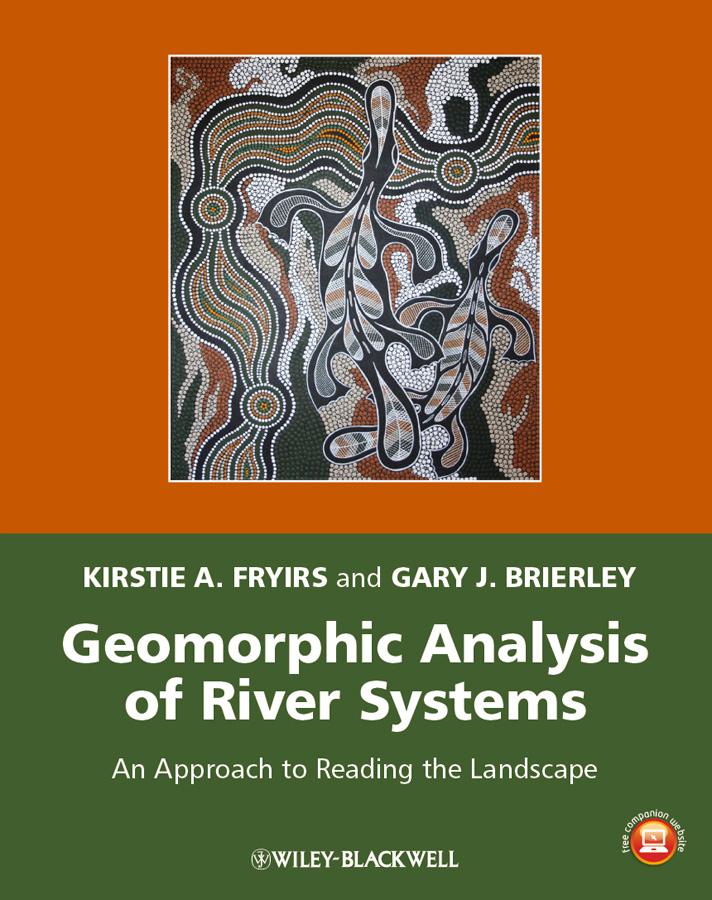
Filling a niche in the geomorphology teaching market, this introductory book is built around a 12 week course in fluvial geomorphology.
‘Reading the landscape’ entails making sense of what a riverscape looks like, how it works, how it has evolved over time, and how alterations to one part of a catchment may have secondary consequences elsewhere, over different timeframes. These place-based field analyses are framed within their topographic, climatic and environmental context. Issues and principles presented in the first part of this book provide foundational understandings that underpin the approach to reading the landscape that is presented in the second half of the book. In reading the landscape, detective-style investigations and interpretations are tied to theoretical and conceptual principles to generate catchment-specific analyses of river character, behaviour and evolution, including responses to human disturbance.
This book has been constructed as an introductory text on river landscapes, providing a bridge and/or companion to quantitatively-framed or modelled approaches to landscape analysis that are addressed elsewhere. Key principles outlined in the book emphasise the importance of complexity, contingency and emergence in interpreting the character, behaviour and evolution of any given system.
The target audience is second and third year undergraduate students in geomorphology, hydrology, earth science and environmental science, as well as river practitioners who use geomorphic understandings to guide scientific and/or management applications.
The primary focus of Kirstie and Gary’s research and teaching entails the use of geomorphic principles as a tool with which to develop coherent scientific understandings of river systems, and the application of these understandings in management practice. Kirstie and Gary are co-developers of the River Styles® Framework and Short Course that is widely used in river management, decision-making and training.
Additional resources for this book can be found at: www.wiley.com/go/fryirs/riversystems.
Før Memmo var notatene mine spredt overalt i PDF-er. Nå samler et arbeidsområde alt på ett sted – jeg ser akkurat hva som gjenstår å studere.
Memmos sammendrag er gull før eksamen. Jeg slipper å lese 800 sider to uker før – bare det viktigste.
AI-chatten har reddet meg kvelden før eksamen mer enn én gang. Jeg bare spør til jeg forstår – slipper å vente på svar i en studiegruppe.
Quizene treffer akkurat det jeg trenger å vite. Memmo holder styr på hva jeg sliter med – så jeg øver bare på det som er verdt det.
Flashcards med repetisjon over tid er magi. Memmo vet når jeg er i ferd med å glemme noe og viser det igjen.
AI-podkastene er min favoritt. Jeg lytter på vei til skolen og får en repetisjon uten å sitte foran en datamaskin.

Handbok i kvalitativa metoder
281 kr

Hållbar utveckling: en introduktion för ingenjörer och andra problemlösare
334 kr

Brymans Samhällsvetenskapliga metoder
390 kr

Projektledning
491 kr

Den orättvisa hälsan: om socioekonomiska skillnader i hälsa och livslängd
326 kr

Organizational Leadership
429 kr

Vetenskapsteori för nybörjare
196 kr

På väg mot läraryrket
172 kr

Det sociala livet i skolan: Socialpsykologiska perspektiv
253 kr

Betygsättningens didaktik
151 kr

Personality
402 kr

Studying Leadership
404 kr

Managing Innovation
477 kr

Introduktion till samhällsvetenskaplig metod
347 kr

The Psychology of Sex and Gender
698 kr

Introduction to Leadership
605 kr

Evidens och kunskap för socialt arbete
207 kr