
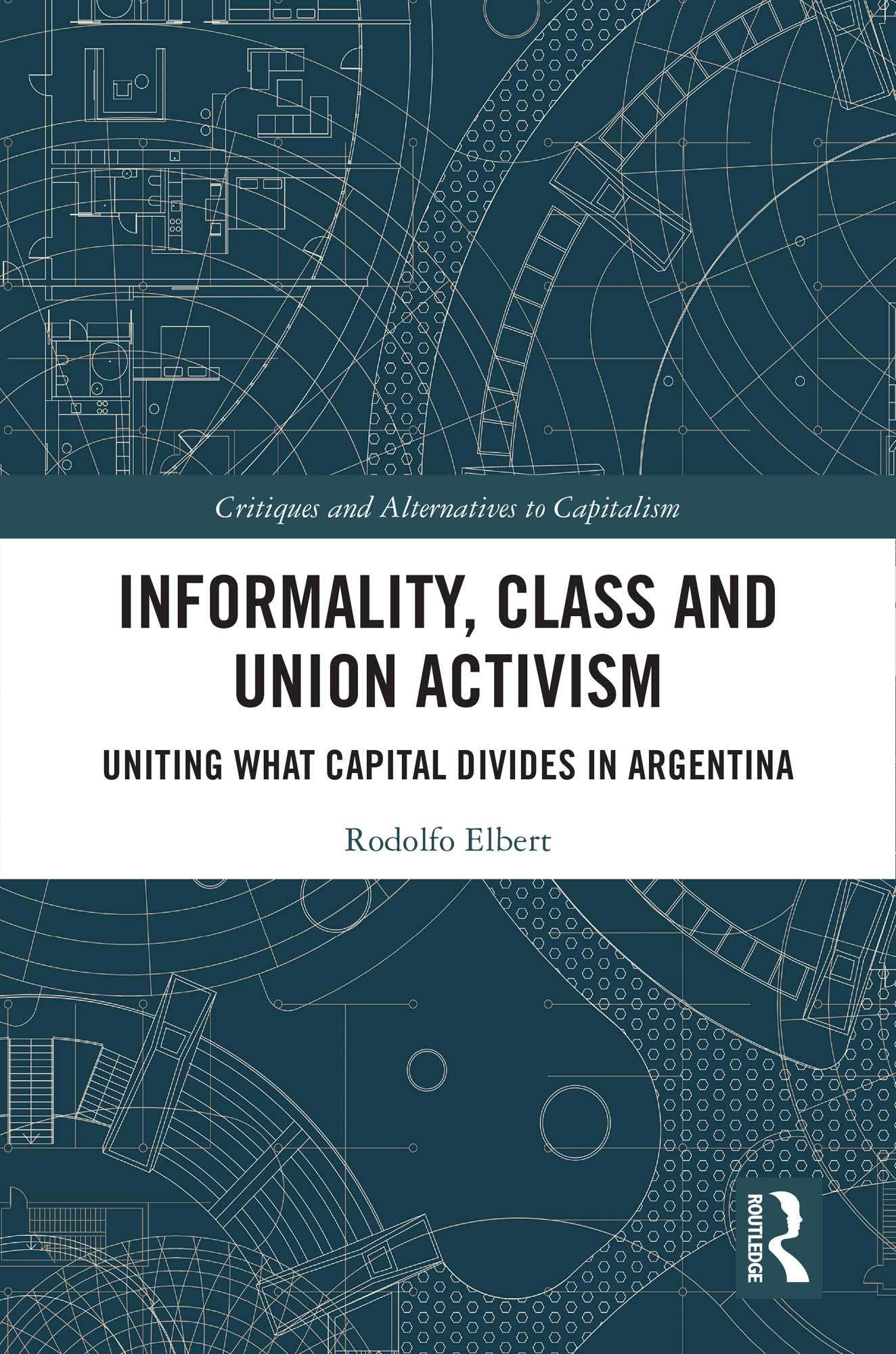
This book addresses the long standing Marxist question about the conditions in which a socially fragmented working class can forge a unified project, using a study of informality, class and union activism in Argentina between 2003 and 2011.
Informality, Class and Union Activism explores the articulations between the structural factors and the political strategies that characterize the formation of a working class in a dual economy. The first part of this book proposes a statistical analysis of survey research that shows that high informality in Argentina does not exclude multiple demographic ties between the different segments of the working class. In the second part of this book, the author proposes a comparative study of three factories in which unions’ political strategies become relevant to understand collective actions that aim to unify different segments of the working class. The combination of the statistical analysis with the comparative study of factory politics shows that the distinction between formal and informal workers does not translate into a class cleavage in Argentina. This evidence, as well as the creative methodological approach, stands to make an important contribution to the literature on comparative labor movements in the Global South.
Contributing to recent Marxist debates about class formation patterns of socially fragmented working classes, it will appeal to academics and scholars with interests in Marxism, informality, Latin American studies, and inequality.
Betal enkelt med kort, Klarna, Apple Pay eller Google Pay. Ikke fornøyd? Du har alltid 14 dagers angrerett. Les mer i våre vilkår. Har du spørsmål, send oss en e-post på hello@memmo.org.
Memmo gjør det enklere å studere – uansett hvor du er i verden. Hos oss samler du pensumbøker og smarte studieverktøy på ett og samme sted: sammendrag, quizer, podkaster og flashcards. Og så Ted, din studiekompis som svarer på alt du lurer på. Over 50 000 studenter studerer allerede her – bygget for at du skal lære raskere og stresse mindre.