
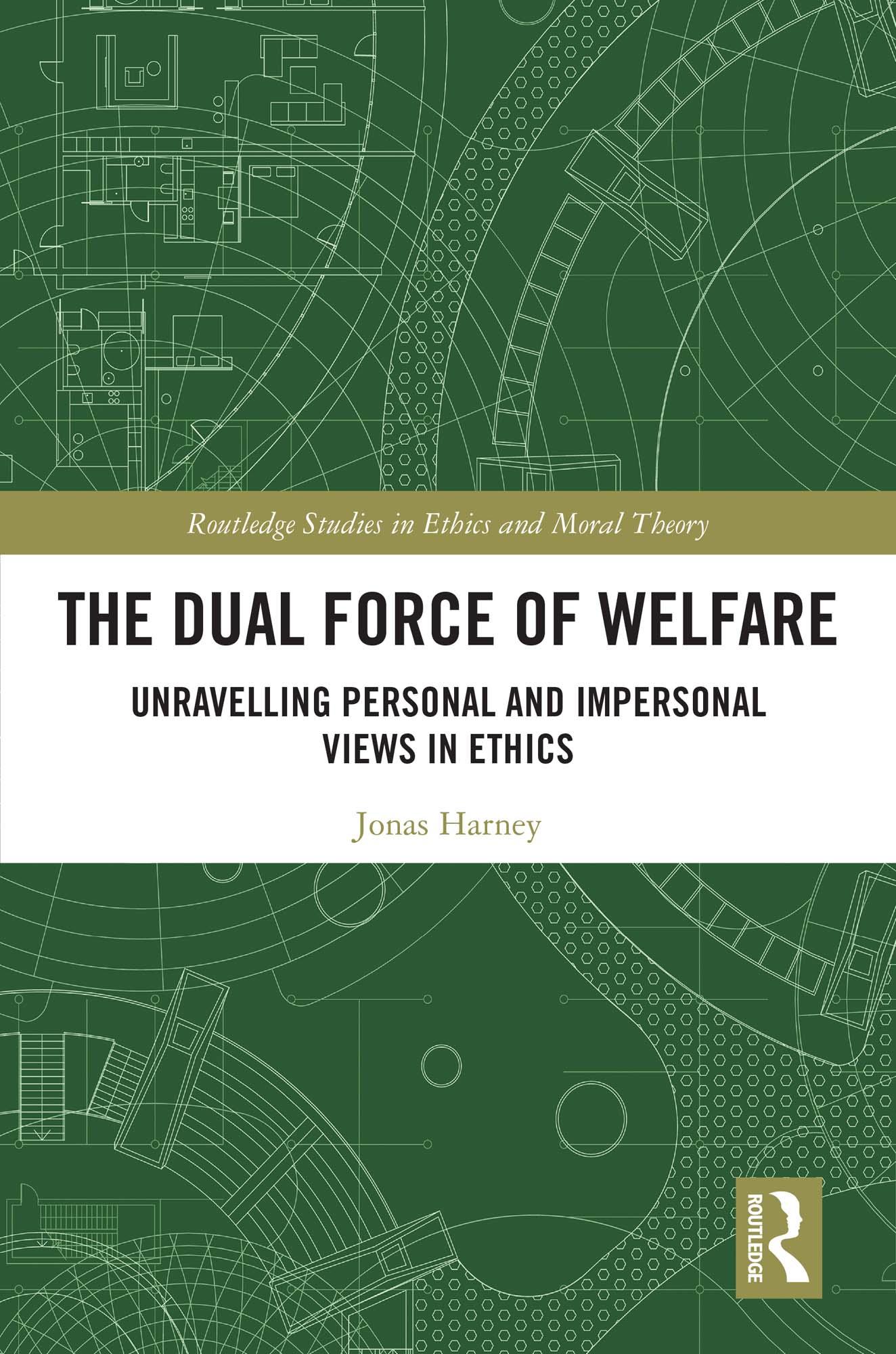
This book explores the moral significance of welfare by dissecting a dichotomy central to moral theory and welfare ethics: the distinction between personal and impersonal views. It systematically examines this distinction, revealing its ambiguities and implications for moral judgements in general and issues of population ethics and interpersonal welfare trade-offs in particular.
This book argues for the Dual Personal View of Welfare, asserting that welfare has moral value both in absolute terms and through comparative considerations for individuals. Structured in three parts, it first disambiguates the personal-impersonal distinction, then evaluates its various aspects, and finally develops a dual theory of outcome comparisons. The author’s innovative approach addresses challenges such as the intransitivity of "better than" and the complexities of population ethics, offering a set-relative strategy that re-establishes transitivity within fixed sets of outcomes. By providing the first systematic analysis of personal and impersonal views, this book promises to reshape discussions on the moral value of welfare and its implications for future generations.
Accessible yet rigorous, The Dual Force of Welfare is essential for moral philosophers and ethicists, but will also be of great interest to scholars in related fields such as decision theory, political theory, and social economics.
Betal enkelt med kort, Klarna, Apple Pay eller Google Pay. Ikke fornøyd? Du har alltid 14 dagers angrerett. Les mer i våre vilkår. Har du spørsmål, send oss en e-post på hello@memmo.org.
Memmo gjør det enklere å studere – uansett hvor du er i verden. Hos oss samler du pensumbøker og smarte studieverktøy på ett og samme sted: sammendrag, quizer, podkaster og flashcards. Og så Ted, din studiekompis som svarer på alt du lurer på. Over 50 000 studenter studerer allerede her – bygget for at du skal lære raskere og stresse mindre.