
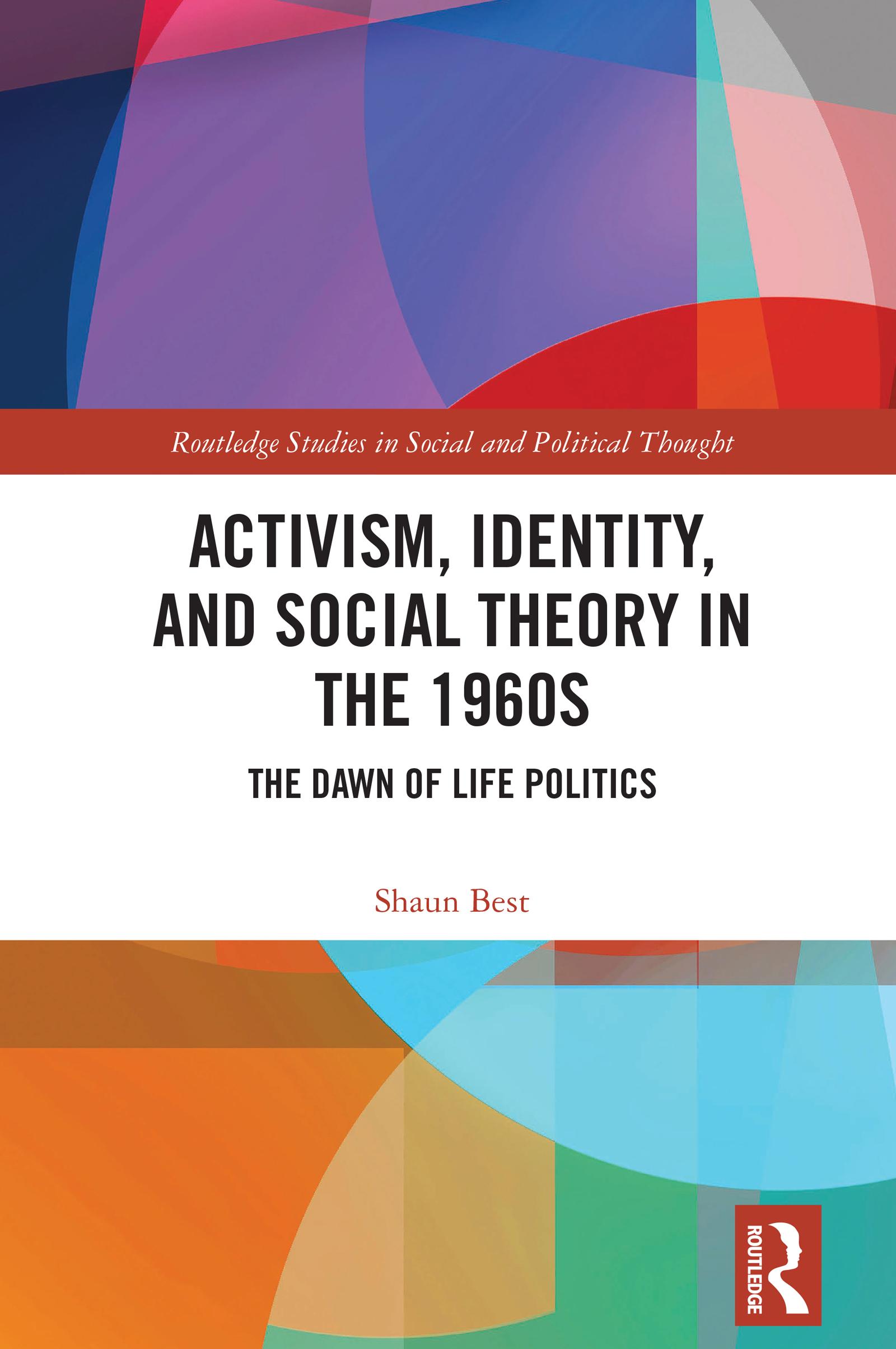
Activism, Identity, and Social Theory in the 1960s examines the crucial connection between social analysis and everyday practice using a study of the transformative social movements of the 1960s. It demonstrates how personal experiences of discrimination can reflect broader mechanisms of social exclusion to reveal how the fusion of personal and political spheres created new forms of identity politics and social activism that continue to shape contemporary society.
Seven interconnected chapters offer unique insights covering pivotal events, including May 1968 in France, the New Left, women’s liberation, racial justice movements, gay liberation, Northern Ireland, and Vietnam War protests. Each chapter illuminates how marginalised groups confronted injustice while highlighting the influences from social theory and philosophy that shaped activist thinking. In doing so, the author sheds light on how the events of 1968 influenced future political developments and culminated in the development of ideas such as intersectionality.
Designed for advanced undergraduate students, postgraduate students, and researchers across social science disciplines, including sociology and political science, this accessible text provides essential context and offers new arguments for understanding contemporary social movements and identity politics.
Betal enkelt med kort, Klarna, Apple Pay eller Google Pay. Ikke fornøyd? Du har alltid 14 dagers angrerett. Les mer i våre vilkår. Har du spørsmål, send oss en e-post på hello@memmo.org.
Memmo gjør det enklere å studere – uansett hvor du er i verden. Hos oss samler du pensumbøker og smarte studieverktøy på ett og samme sted: sammendrag, quizer, podkaster og flashcards. Og så Ted, din studiekompis som svarer på alt du lurer på. Over 50 000 studenter studerer allerede her – bygget for at du skal lære raskere og stresse mindre.