
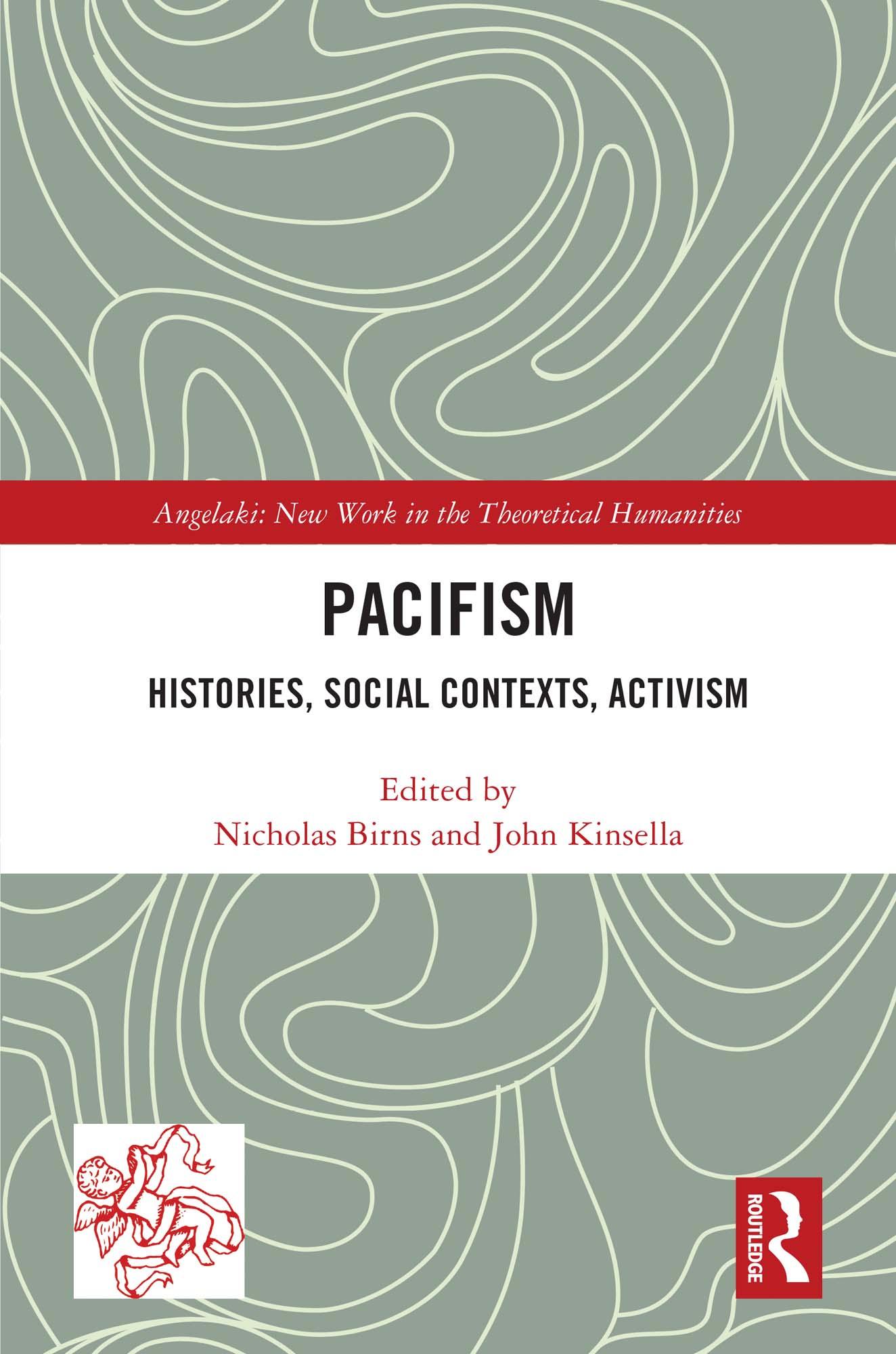
This book offers a profound and necessary re-evaluation of pacifism, positioning it not merely as a negative stance against war, but as a comprehensive philosophical orientation toward living and ethical engagement. Moving beyond conventional political and historical limitations, the collection interrogates the radical intellectual and practical potential of non-violence in the twenty-first century.
The contributions explore historical reappraisals—from reintroducing the Quaker pacifist Jonathan Dymond to considering Tolstoy in relation to critiques of Eurocentrism. Contemporary articulations of non-violence are examined, including anarcho-pacifism and feminist counternarratives emerging from movements like the Arab Spring. The book expands the scope of violence and pacifist resistance, questioning whether the ethical imperative of pacifism must extend to include refusal of violence against animal life and the inanimate, thereby embracing ecological and environmental justice.
This collection addresses academics, researchers, and advanced students in philosophy, political theory, peace studies, and environmental studies. It serves as essential reading for courses on pacifist philosophy, nonviolent resistance, and contemporary political thought, offering a revitalisation of pacifist knowledge as a critical counterforce to aggressive politics.
This book was originally published as a special issue of Angelaki: Journal for Theoretical Humanities.
Betal enkelt med kort, Klarna, Apple Pay eller Google Pay. Ikke fornøyd? Du har alltid 14 dagers angrerett. Les mer i våre vilkår. Har du spørsmål, send oss en e-post på hello@memmo.org.
Memmo gjør det enklere å studere – uansett hvor du er i verden. Hos oss samler du pensumbøker og smarte studieverktøy på ett og samme sted: sammendrag, quizer, podkaster og flashcards. Og så Ted, din studiekompis som svarer på alt du lurer på. Over 50 000 studenter studerer allerede her – bygget for at du skal lære raskere og stresse mindre.