
Før Memmo var notatene mine spredt overalt i PDF-er. Nå samler et arbeidsområde alt på ett sted – jeg ser akkurat hva som gjenstår å studere.
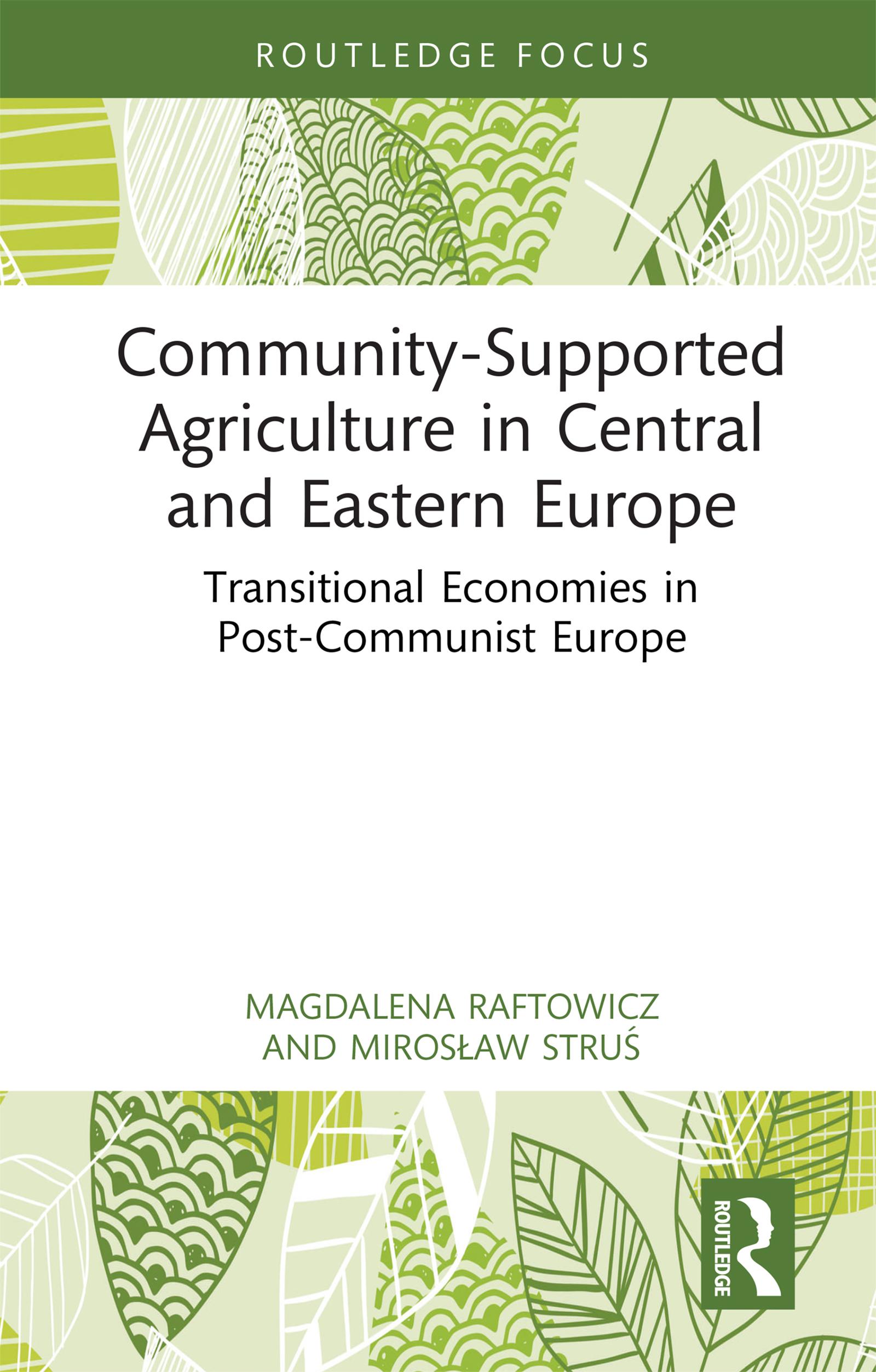
This book analyses Community-Supported Agriculture (CSA) in Central and Eastern Europe, providing a meaningful contribution to the broader discourse on sustainable agriculture and rural development in post-communist states.
Drawing on comparative insights between Western and Central-Eastern European CSA models, the book addresses both structural and institutional factors influencing the functioning of CSA and offers a comparative perspective on the implementation of this model in Western and Central-Eastern Europe. Particular attention is given to the challenges and opportunities for its development, considering the region’s socio-economic characteristics, institutional constraints, the level of social capital, and the growing consumer interest in local and organic food. The book draws on a detailed empirical study conducted in Poland, complemented with comparative insights from countries such as Hungary, the Czech Republic, and Romania, to identify common features and barriers to CSA development in post-communist settings. As the largest post-communist country in the European Union, Poland offers a valuable lens through which broader regional dynamics can be analyzed. The book explores the unique trajectories and structural challenges faced by CSA initiatives in transitional economies, identifying critical barriers and emerging opportunities in the development of collaborative food systems, highlighting the roles of both producers and consumers. It bridges the supply and demand dimensions of alternative food networks, offering a multifaceted interpretation of CSA’s potential in reshaping agrifood relations in the region.
By combining conceptual analysis with practical policy relevance, this book will be of interest to students and scholars of food and agricultural, rural development and sociology and environmental economics. It also provides actionable insights for policymakers engaged in designing resilient local food systems and promoting rural innovation.
Før Memmo var notatene mine spredt overalt i PDF-er. Nå samler et arbeidsområde alt på ett sted – jeg ser akkurat hva som gjenstår å studere.
Memmos sammendrag er gull før eksamen. Jeg slipper å lese 800 sider to uker før – bare det viktigste.
AI-chatten har reddet meg kvelden før eksamen mer enn én gang. Jeg bare spør til jeg forstår – slipper å vente på svar i en studiegruppe.
Quizene treffer akkurat det jeg trenger å vite. Memmo holder styr på hva jeg sliter med – så jeg øver bare på det som er verdt det.
Flashcards med repetisjon over tid er magi. Memmo vet når jeg er i ferd med å glemme noe og viser det igjen.
AI-podkastene er min favoritt. Jeg lytter på vei til skolen og får en repetisjon uten å sitte foran en datamaskin.

Handbok i kvalitativa metoder
281 kr

Hållbar utveckling: en introduktion för ingenjörer och andra problemlösare
334 kr

Brymans Samhällsvetenskapliga metoder
390 kr

Projektledning
491 kr

Den orättvisa hälsan: om socioekonomiska skillnader i hälsa och livslängd
326 kr

Organizational Leadership
429 kr

Vetenskapsteori för nybörjare
196 kr

På väg mot läraryrket
172 kr

Det sociala livet i skolan: Socialpsykologiska perspektiv
253 kr

Betygsättningens didaktik
151 kr

Personality
402 kr

Studying Leadership
404 kr

Managing Innovation
477 kr

Introduktion till samhällsvetenskaplig metod
347 kr

The Psychology of Sex and Gender
698 kr

Introduction to Leadership
605 kr

Evidens och kunskap för socialt arbete
207 kr