
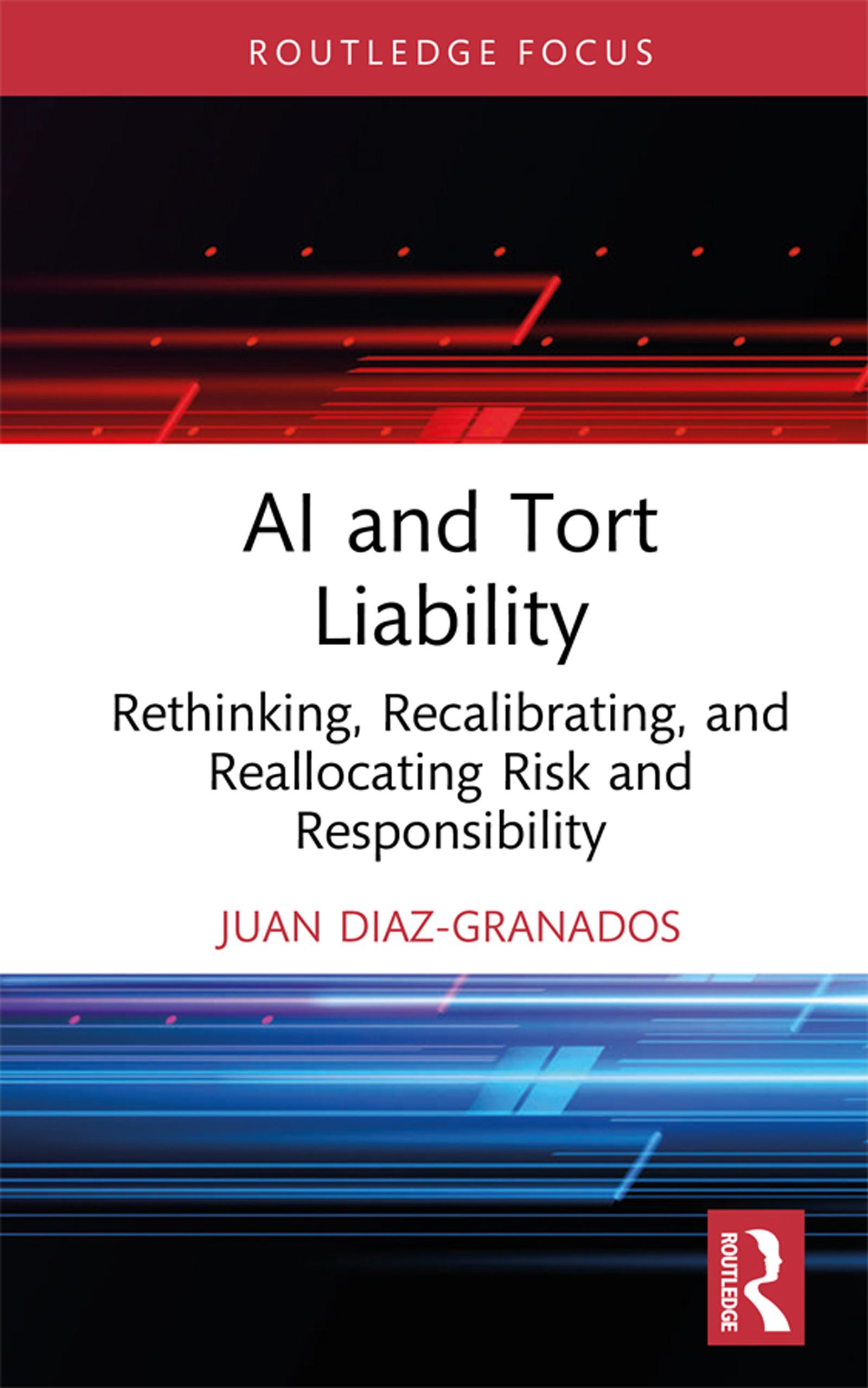
This book provides a novel framework for adapting tort law to the challenges of artificial intelligence (AI) in all of its forms—from machine learning to generative models to autonomous and agentic systems.
Centered on a liability matrix, this book maps AI systems into four zones according to their private and public risks and benefits, and it prescribes tailored liability mechanisms for each. These range from flexible, fault-based models with safe harbors for low-risk, high-benefit technologies, to strict liability, rebuttable presumptions of causation and even moratoriums for systems that pose grave public dangers without delivering corresponding public value. Combining rigorous doctrinal analysis with practical policy tools, the book addresses complex issues such as fault attribution, causation, compensable harm, evidentiary burdens and distributed responsibility.
Clear, concise and globally relevant, this book provides an adaptable approach that courts, policy makers and industry leaders can apply to real-world AI governance. It will appeal to legal scholars, postgraduate students, regulators, judges and AI governance specialists seeking to understand—and shape—how tort law can both protect society and enable responsible innovation in the age of AI.
Betal enkelt med kort, Klarna, Apple Pay eller Google Pay. Ikke fornøyd? Du har alltid 14 dagers angrerett. Les mer i våre vilkår. Har du spørsmål, send oss en e-post på hello@memmo.org.
Memmo gjør det enklere å studere – uansett hvor du er i verden. Hos oss samler du pensumbøker og smarte studieverktøy på ett og samme sted: sammendrag, quizer, podkaster og flashcards. Og så Ted, din studiekompis som svarer på alt du lurer på. Over 50 000 studenter studerer allerede her – bygget for at du skal lære raskere og stresse mindre.