
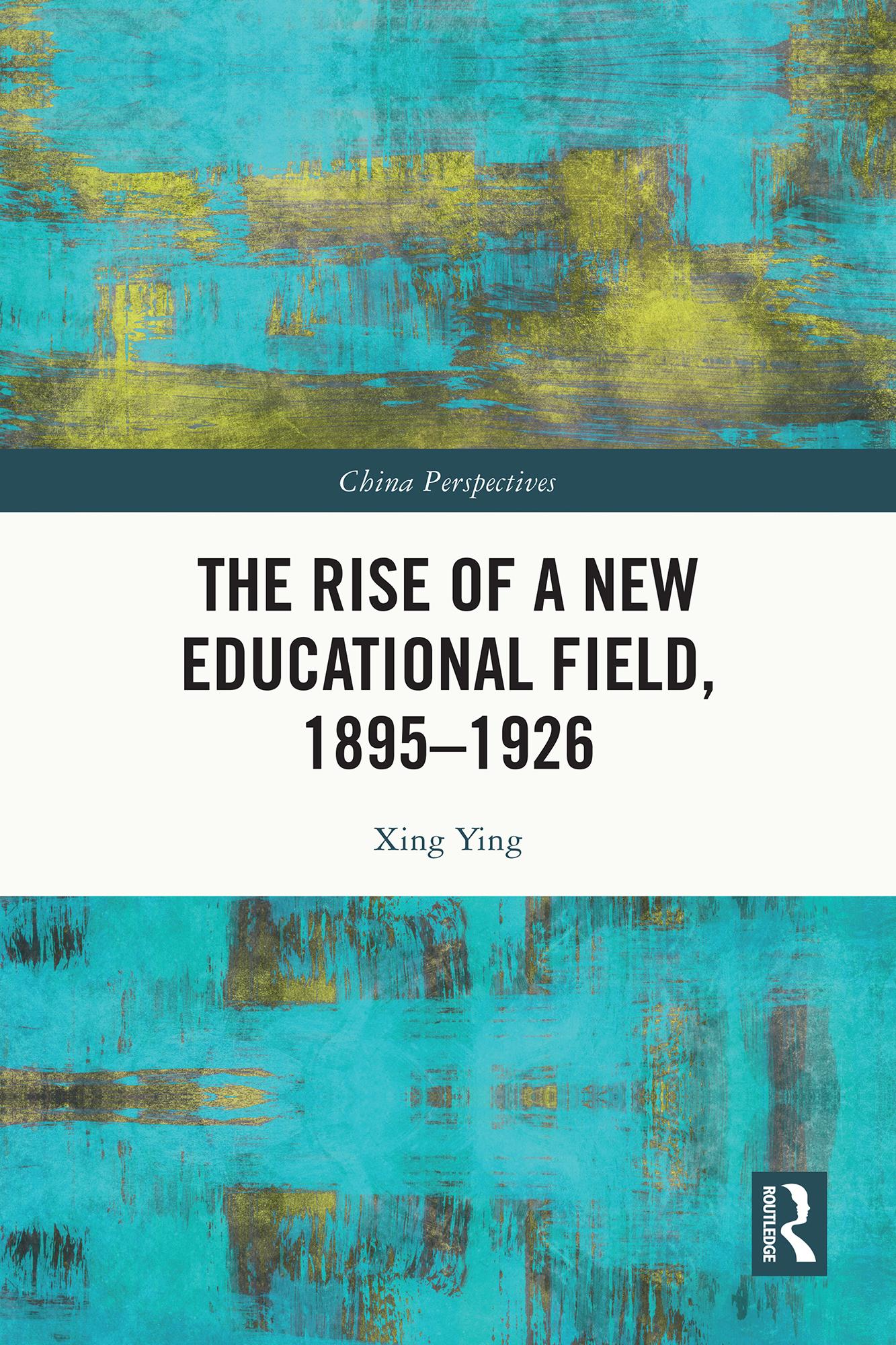
This book examines China’s educational transformation between 1895 and 1926. Based on three case studies, it explores the rise of a new field of education and reveals the intricate relationship between educational reforms, intellectual societies, and revolutionary movements.
Through meticulous historical analysis, the book chronicles the evolution of China's modern education system during a period of profound social and political change. Part I examines how new-style schools replaced the traditional imperial examination system in Hunan Province from 1895 to 1913, thereby transforming the educational landscape. Part II focuses on the influential reforms instituted at Peking University, which established a balance between academic, political, and moral orthodoxies to reshape China’s intellectual sphere. Part III explores the crucial connection between secondary schools and the early communist revolutionary movement, demonstrating how educational institutions became incubators for revolutionary ideas and activities. By examining these interconnected developments, the book illuminates how educational reform became intertwined with broader currents of social transformation and revolutionary change in early 20th-century China.
This work will appeal to historians of modern China, as well as to scholars and students of Chinese studies interested in the intersection of educational history, historical sociology, and modern Chinese history and revolutionary movements.
Betal enkelt med kort, Klarna, Apple Pay eller Google Pay. Ikke fornøyd? Du har alltid 14 dagers angrerett. Les mer i våre vilkår. Har du spørsmål, send oss en e-post på hello@memmo.org.
Memmo gjør det enklere å studere – uansett hvor du er i verden. Hos oss samler du pensumbøker og smarte studieverktøy på ett og samme sted: sammendrag, quizer, podkaster og flashcards. Og så Ted, din studiekompis som svarer på alt du lurer på. Over 50 000 studenter studerer allerede her – bygget for at du skal lære raskere og stresse mindre.