
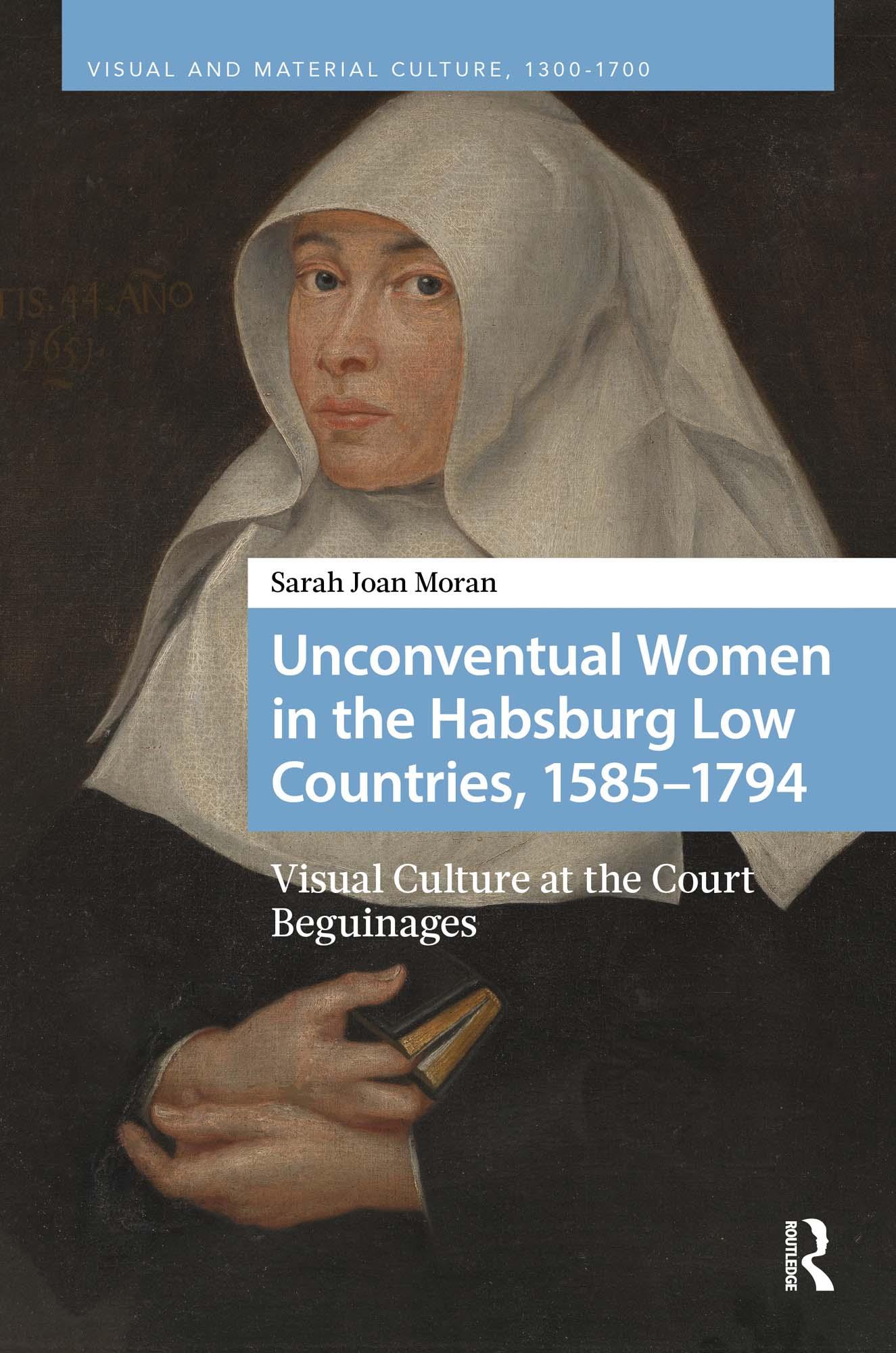
This book examines the Court Beguinages, a fascinating group of semi-monastic female communities that were endemic to cities of the Southern Low Countries from the thirteenth century into the twentieth.
Their members, called Beguines, played fundamental social and religious roles in their communities, and they also became major patrons of art and architecture, building vast complexes and filling them with paintings, sculptures, prints, textiles, and all sorts of other decorative objects. As the first comprehensive and primary source-driven account of Court Beguinage visual culture, this study explores the historical importance of these institutions and reveals how the Beguines used buildings and images to support devotional practice, shape public perception, raise funds, and negotiate power relationships during the Counter-Reformation.
Unconventual Women in the Habsburg Low Countries is intended for scholars and students of early modern history, art and architectural history, cultural history, religious history, and women’s and gender studies.
Betal enkelt med kort, Klarna, Apple Pay eller Google Pay. Ikke fornøyd? Du har alltid 14 dagers angrerett. Les mer i våre vilkår. Har du spørsmål, send oss en e-post på hello@memmo.org.
Memmo gjør det enklere å studere – uansett hvor du er i verden. Hos oss samler du pensumbøker og smarte studieverktøy på ett og samme sted: sammendrag, quizer, podkaster og flashcards. Og så Ted, din studiekompis som svarer på alt du lurer på. Over 50 000 studenter studerer allerede her – bygget for at du skal lære raskere og stresse mindre.