
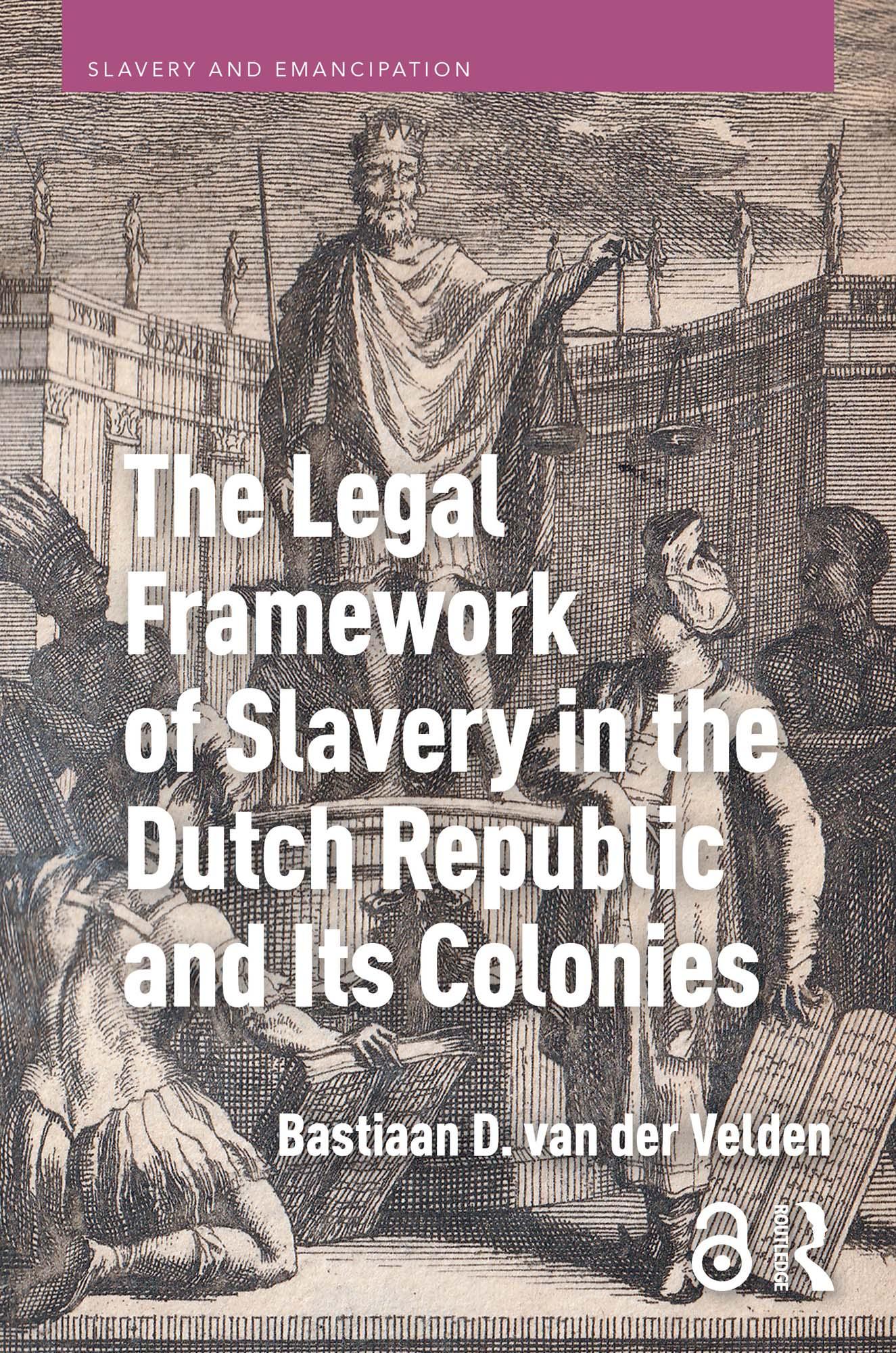
This study centers on the Dutch Republic, where Roman law—applied alongside contemporary legislation—was used to regulate the lives of enslaved individuals across its territories, albeit in a highly selective manner. Which provisions of Roman law were implemented, and what led to the exclusion of others?
This book investigates these questions through a historical analysis of the legal transfer of Roman law within both the metropole and the colonies. Special attention is given to the private law governing enslaved persons in the Dutch Republic and its overseas territories, including the WIC‑administered islands of Curaçao, Aruba, and Bonaire, the Sociëteit van Suriname, and the VOC‑controlled Cape Colony. The 2012 Bellagio‑Harvard Guidelines on the Legal Parameters of Slavery identify legal institutions grounded in the notion of ownership, providing a valuable framework for legal‑historical research on slavery.
Betal enkelt med kort, Klarna, Apple Pay eller Google Pay. Ikke fornøyd? Du har alltid 14 dagers angrerett. Les mer i våre vilkår. Har du spørsmål, send oss en e-post på hello@memmo.org.
Memmo gjør det enklere å studere – uansett hvor du er i verden. Hos oss samler du pensumbøker og smarte studieverktøy på ett og samme sted: sammendrag, quizer, podkaster og flashcards. Og så Ted, din studiekompis som svarer på alt du lurer på. Over 50 000 studenter studerer allerede her – bygget for at du skal lære raskere og stresse mindre.