
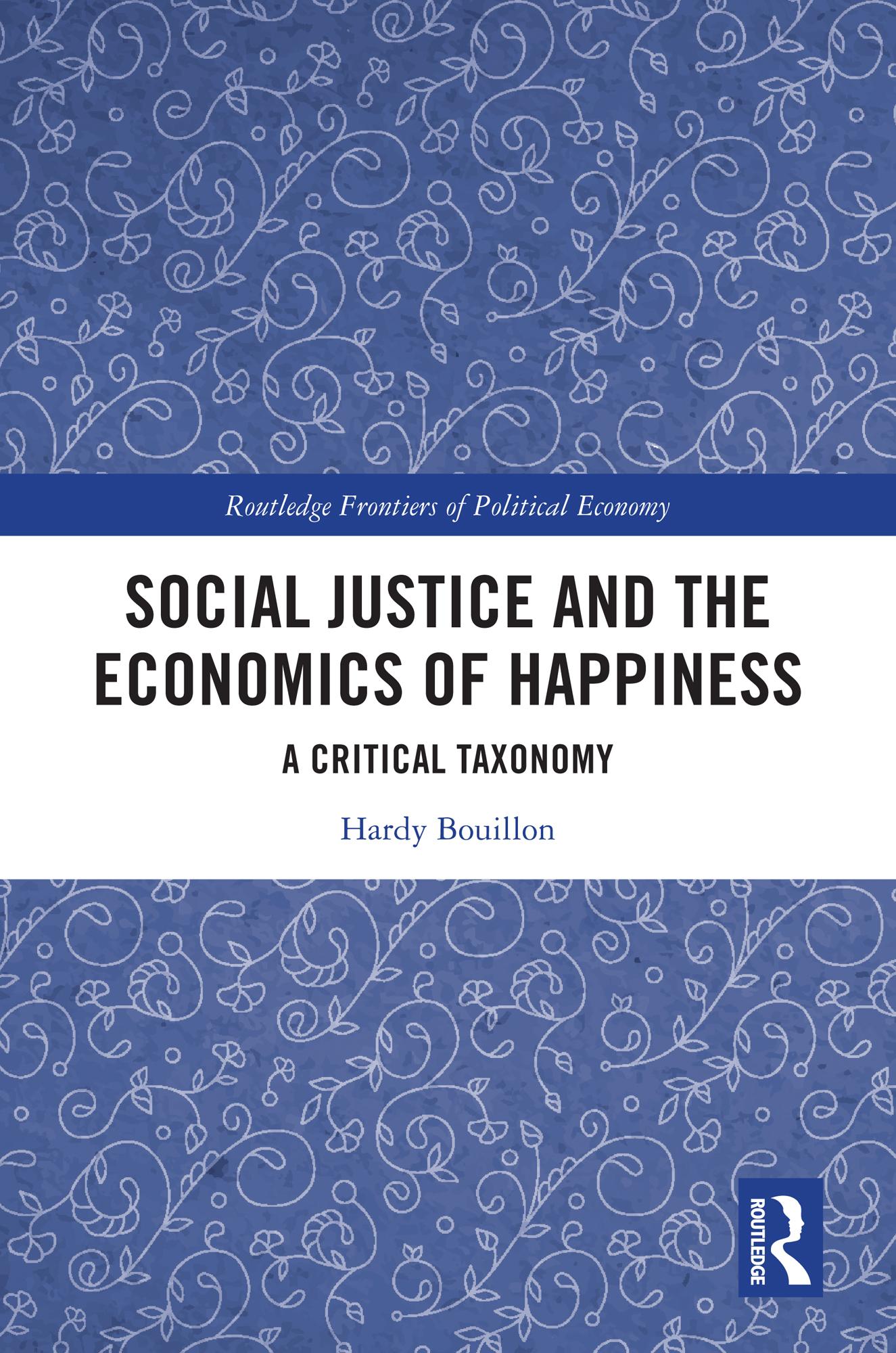
Addressing challenging questions at the intersection of happiness research and theories of justice, this book explores the extent to which redistribution of material goods can promote the happiness of the recipient and which form of redistribution best serves this purpose: state redistribution in the name of social justice or voluntary redistribution driven by philanthropy.
The book is an enquiry into a prominent theory at the intersection of the economics of happiness and the philosophy of justice: material resources that a person has but cannot use to further increase his or her own happiness should be redistributed not only for reasons of social justice but also for reasons of formal justice, because they increase the happiness of the taker without diminishing the happiness of the giver. In exploring this theory, the book develops a taxonomy of the various theories of social justice and shows the shortcomings behind the thesis of just happiness. However, the book also shows how the thesis of just happiness can be saved, namely by rehabilitating philanthropy. It is argued that philanthropy is the only known form that can increase the happiness of the taker without diminishing that of the giver. This book will appeal to readers and scholars of philosophy, politics, and economics.
Betal enkelt med kort, Klarna, Apple Pay eller Google Pay. Ikke fornøyd? Du har alltid 14 dagers angrerett. Les mer i våre vilkår. Har du spørsmål, send oss en e-post på hello@memmo.org.
Memmo gjør det enklere å studere – uansett hvor du er i verden. Hos oss samler du pensumbøker og smarte studieverktøy på ett og samme sted: sammendrag, quizer, podkaster og flashcards. Og så Ted, din studiekompis som svarer på alt du lurer på. Over 50 000 studenter studerer allerede her – bygget for at du skal lære raskere og stresse mindre.