
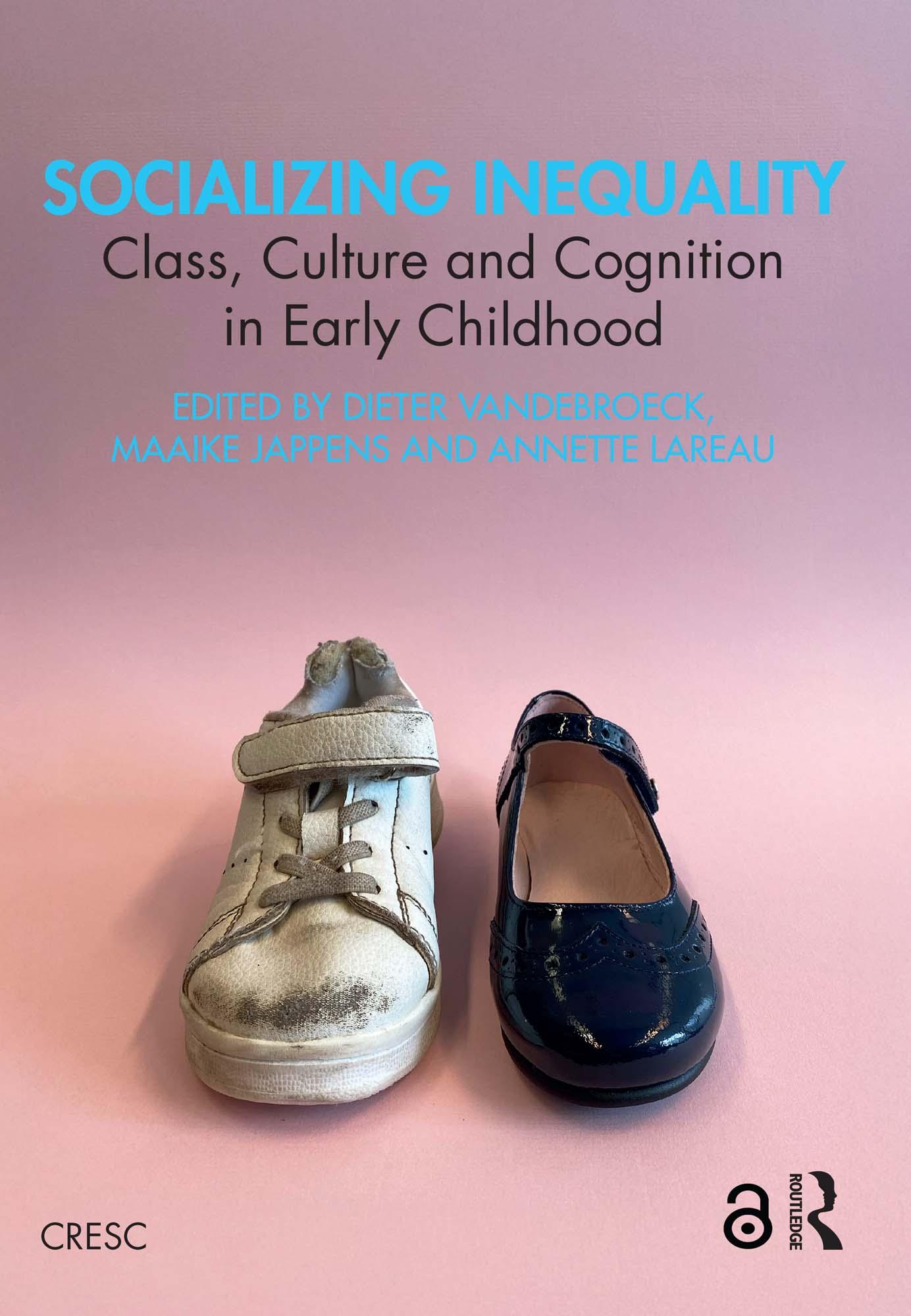
This book examines the processes through which children effectively 'inherit' their position in the social world.
It asks:
- How does class inequality affect one of the most formative periods in human development, that is, early childhood?
- When do differences in class background manifest themselves in children's actions and attitudes?
- How do class divisions intersect with racial and gender inequality to shape the way that children navigate the social world?
- When do children become aware of the fact that 'inequality' is a key feature of their lifeworld?
Bringing together original research from France, Norway, Sweden, Belgium and the USA, this book unravels the ways in which class inequality shapes our earliest experiences of the social world. It will appeal to scholars and students interested in class and social stratification, the sociology of childhood and family, cultural sociology, sociolinguistics, child and developmental psychology and educational science.
Betal enkelt med kort, Klarna, Apple Pay eller Google Pay. Ikke fornøyd? Du har alltid 14 dagers angrerett. Les mer i våre vilkår. Har du spørsmål, send oss en e-post på hello@memmo.org.
Memmo gjør det enklere å studere – uansett hvor du er i verden. Hos oss samler du pensumbøker og smarte studieverktøy på ett og samme sted: sammendrag, quizer, podkaster og flashcards. Og så Ted, din studiekompis som svarer på alt du lurer på. Over 50 000 studenter studerer allerede her – bygget for at du skal lære raskere og stresse mindre.