
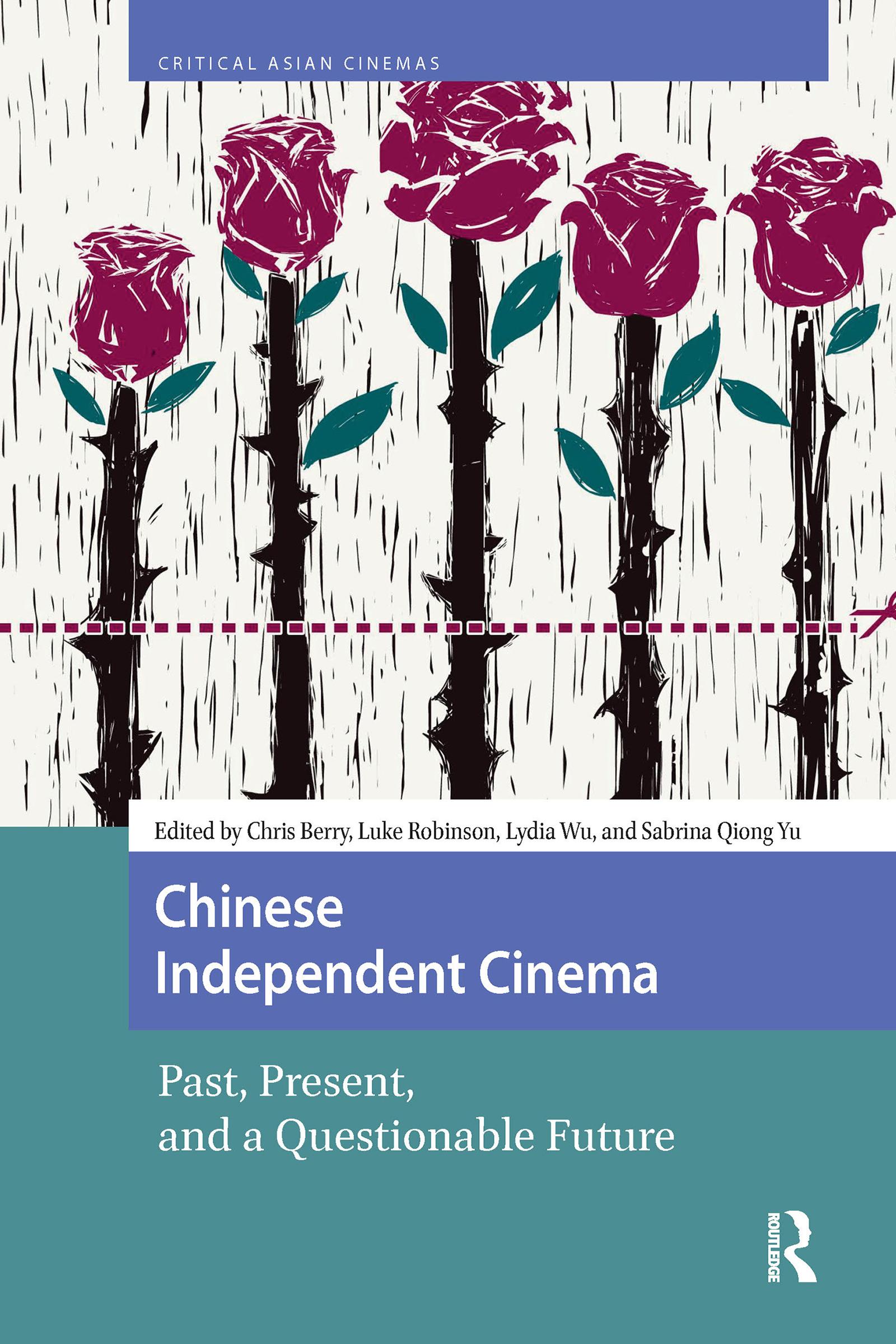
Independent cinema in China is not only made outside the commercial system but also without being submitted for censorship. We know that for several decades it has been the crucible out of which China’s most exciting new films have flowed. The essays in this volume interrogate what else we think we know. Did it really start with Wu Wenguang and Bumming in Beijing in 1990, or can its roots be traced back much earlier? What are its aesthetics? And its ethics, including of gender and class? Where do audiences watch these films in China and how do they circulate? And, since the 2017 Film Law defined uncensored films as illegal, is independent Chinese cinema still alive? What does it mean today? And does it have a future? The essays in this anthology—many by exciting new scholars—explore these urgent questions.
Betal enkelt med kort, Klarna, Apple Pay eller Google Pay. Ikke fornøyd? Du har alltid 14 dagers angrerett. Les mer i våre vilkår. Har du spørsmål, send oss en e-post på hello@memmo.org.
Memmo gjør det enklere å studere – uansett hvor du er i verden. Hos oss samler du pensumbøker og smarte studieverktøy på ett og samme sted: sammendrag, quizer, podkaster og flashcards. Og så Ted, din studiekompis som svarer på alt du lurer på. Over 50 000 studenter studerer allerede her – bygget for at du skal lære raskere og stresse mindre.
Du vil kanskje også like
Kjøp boken0