
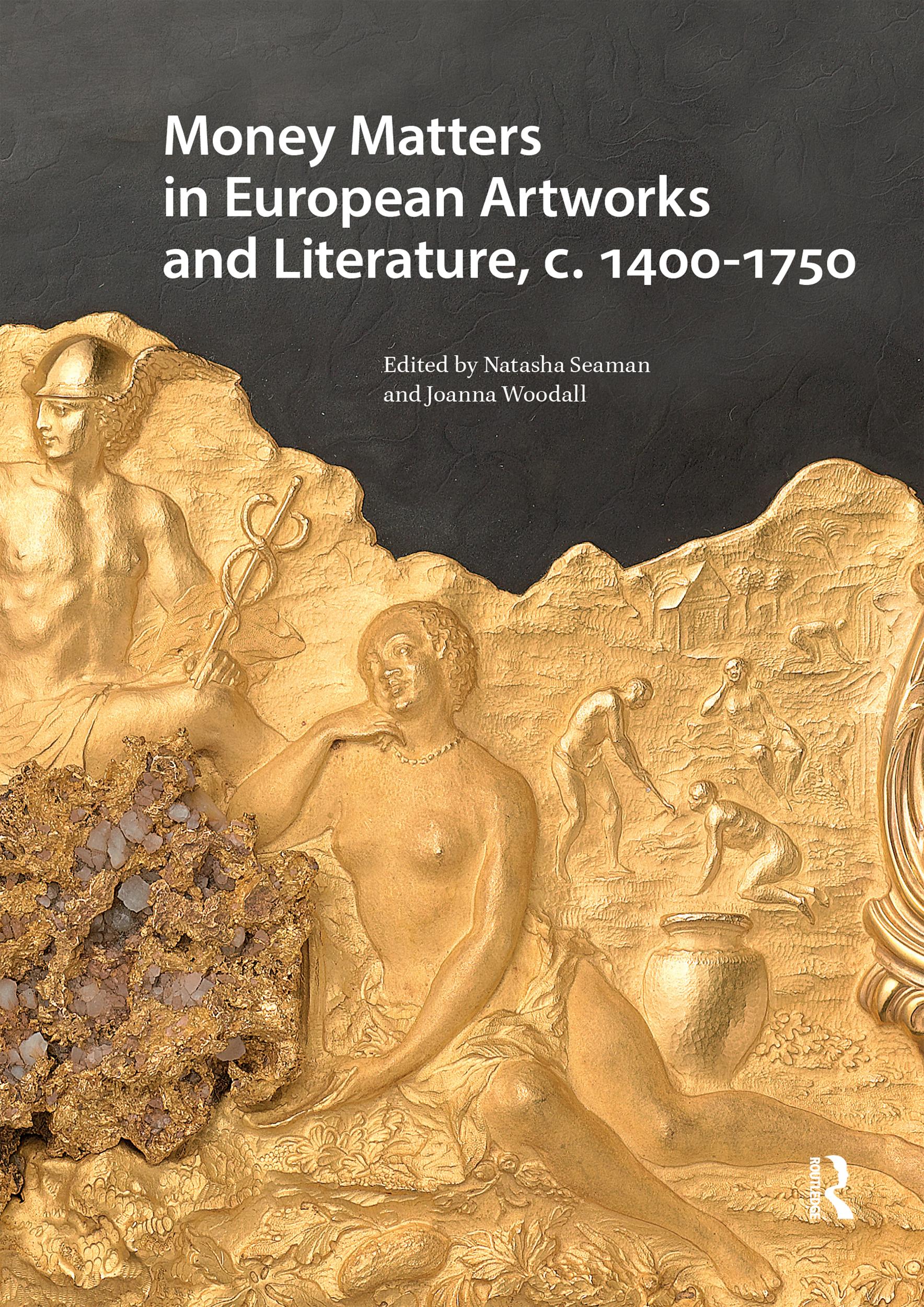
Money Matters in European Artworks and Literature, c. 1400-1750 focuses on coins as material artefacts and agents of meaning in early modern arts. The precious metals, double-sided form, and emblematic character of coins had deep resonance in European culture and cultural encounters. Coins embodied Europe's power and the labour, increasingly located in colonised regions, of extracting gold and silver. Their efficacy depended on faith in their inherent value and the authority perceived to be imprinted into them, guaranteed through the institution of the Mint. Yet they could speak eloquently of illusion, debasement and counterfeiting. A substantial introduction precedes essays by interdisciplinary scholars on five themes: power and authority in the Mint; currency and the anxieties of global trade; coins and persons; coins in and out of circulation; credit and risk. An Afterword on a contemporary artist demonstrates the continuing expressive and symbolic power of numismatic forms.
Betal enkelt med kort, Klarna, Apple Pay eller Google Pay. Ikke fornøyd? Du har alltid 14 dagers angrerett. Les mer i våre vilkår. Har du spørsmål, send oss en e-post på hello@memmo.org.
Memmo gjør det enklere å studere – uansett hvor du er i verden. Hos oss samler du pensumbøker og smarte studieverktøy på ett og samme sted: sammendrag, quizer, podkaster og flashcards. Og så Ted, din studiekompis som svarer på alt du lurer på. Over 50 000 studenter studerer allerede her – bygget for at du skal lære raskere og stresse mindre.