
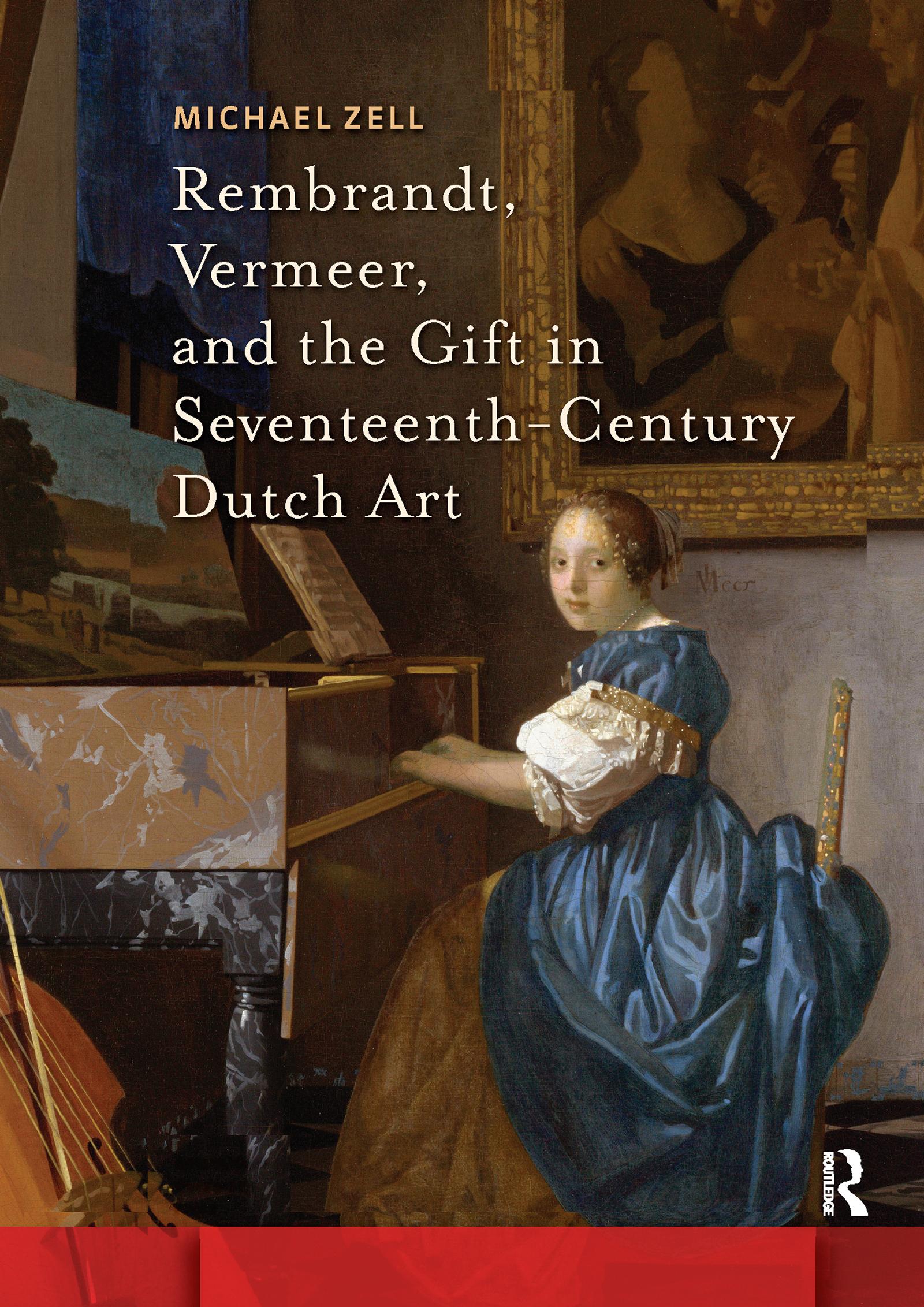
Rembrandt, Vermeer, and the Gift in Seventeenth-Century Dutch Art offers a new perspective on the art of the Dutch Golden Age by exploring the interaction between the gift's symbolic economy of reciprocity and obligation and the artistic culture of early modern Holland. Gifts of art were pervasive in seventeenth-century Europe, and many Dutch artists, like their counterparts elsewhere, embraced gift giving to cultivate relations with patrons, art lovers, and other members of their social networks. Rembrandt also created distinctive works to function within a context of gift exchange, and both Rembrandt and Vermeer engaged the ethics of the gift to identify their creative labor as motivated by what contemporaries called a love of art, not materialistic gain. In the merchant republic’s vibrant market for art, networks of gift relations and the anti-economic rhetoric of the gift mingled with the growing dimension of commerce, revealing a unique chapter in the interconnected history of gift giving and art making.
Betal enkelt med kort, Klarna, Apple Pay eller Google Pay. Ikke fornøyd? Du har alltid 14 dagers angrerett. Les mer i våre vilkår. Har du spørsmål, send oss en e-post på hello@memmo.org.
Memmo gjør det enklere å studere – uansett hvor du er i verden. Hos oss samler du pensumbøker og smarte studieverktøy på ett og samme sted: sammendrag, quizer, podkaster og flashcards. Og så Ted, din studiekompis som svarer på alt du lurer på. Over 50 000 studenter studerer allerede her – bygget for at du skal lære raskere og stresse mindre.