
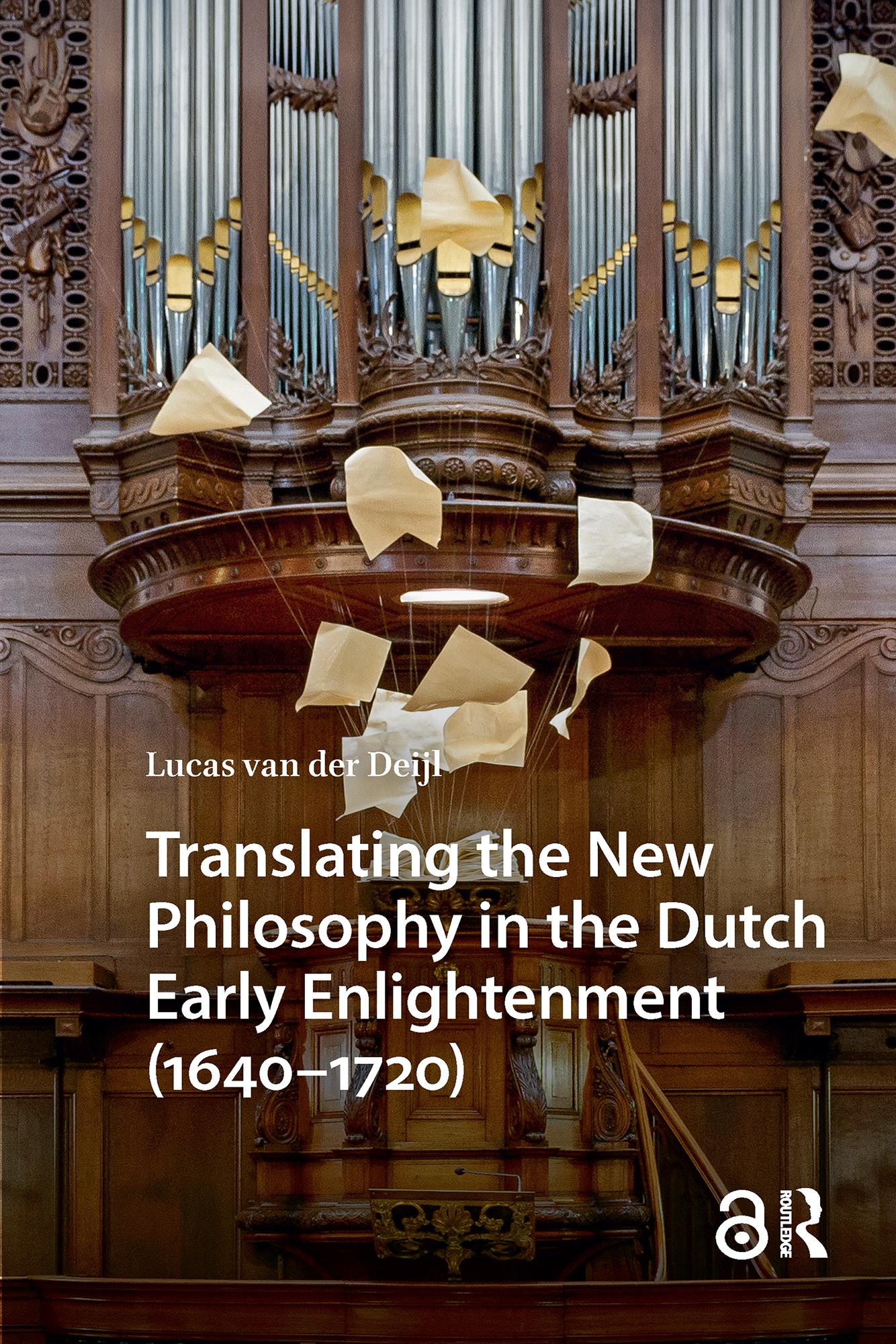
A small group of freethinkers from the Dutch Republic played a key role in the major intellectual changes of the Early Enlightenment (1640–1720). In the wake of Cartesianism, their rationalist ideas transformed debates about science, theology, medicine, and political theory. This book studies the position of four translators in these debates on the ‘New Philosophy’: Jan Hendriksz Glazemaker, Pieter Balling, Abraham van Berkel, and Stephan Blankaart. It presents a comparative history of their Dutch translations of philosophical treatises by René Descartes, Thomas Hobbes, and Benedictus de Spinoza. A combined methodology of computational and qualitative analysis offers new insights into the form and function of translated philosophical texts within the intellectual debates about language, reason, and knowledge that were partly inspired by those texts. These insights change our understanding of the crucial function of translations, multilingualism, and linguistic purism in the Dutch Early Enlightenment.
Betal enkelt med kort, Klarna, Apple Pay eller Google Pay. Ikke fornøyd? Du har alltid 14 dagers angrerett. Les mer i våre vilkår. Har du spørsmål, send oss en e-post på hello@memmo.org.
Memmo gjør det enklere å studere – uansett hvor du er i verden. Hos oss samler du pensumbøker og smarte studieverktøy på ett og samme sted: sammendrag, quizer, podkaster og flashcards. Og så Ted, din studiekompis som svarer på alt du lurer på. Over 50 000 studenter studerer allerede her – bygget for at du skal lære raskere og stresse mindre.
Du vil kanskje også like
Kjøp boken0