
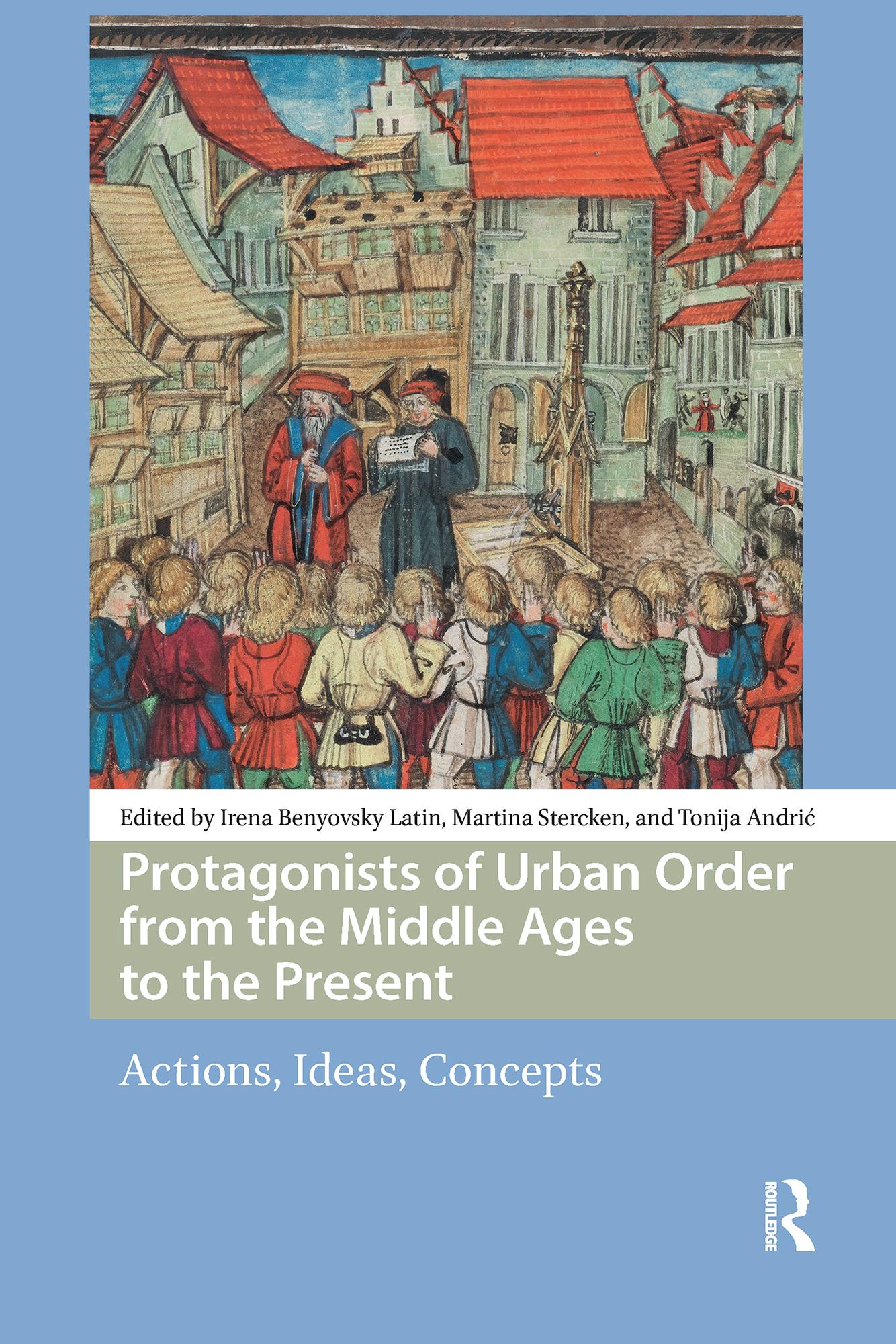
European cities and towns are considered places with a particular order established by their inhabitants. This volume centres on the authorities, groups, and individuals who formed the rules for common life in urban communities. It considers the protagonists of urban order between the Middle Ages and modernity: those who were responsible for the common welfare, those who produced change, and those who caused disorder. The authors focus on the practices that shaped the order of urban communities and in particular on situations in which this order was transformed socially and spatially. By looking at urban order through this lens, the volume sheds light on the complex interplay of interests that can bring about change.
Betal enkelt med kort, Klarna, Apple Pay eller Google Pay. Ikke fornøyd? Du har alltid 14 dagers angrerett. Les mer i våre vilkår. Har du spørsmål, send oss en e-post på hello@memmo.org.
Memmo gjør det enklere å studere – uansett hvor du er i verden. Hos oss samler du pensumbøker og smarte studieverktøy på ett og samme sted: sammendrag, quizer, podkaster og flashcards. Og så Ted, din studiekompis som svarer på alt du lurer på. Over 50 000 studenter studerer allerede her – bygget for at du skal lære raskere og stresse mindre.
Du vil kanskje også like
Kjøp boken0