
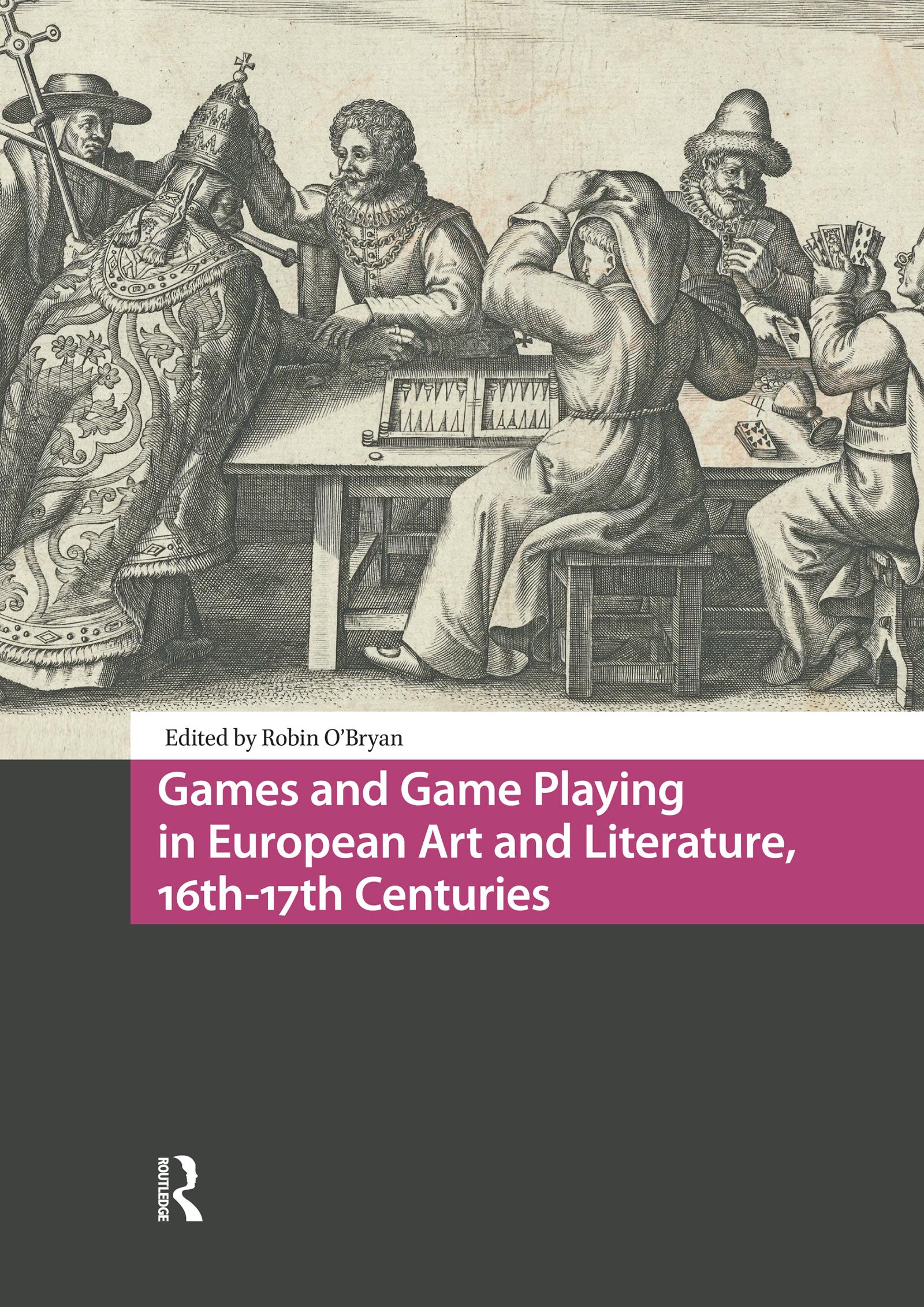
This collection of essays examines the vogue for games and game playing as expressed in art and literature in sixteenth- and seventeenth-century Europe. Focusing on games as a leitmotif of creative expression, these scholarly inquiries are framed as a response to two main questions: how were games used to convey special meanings in art and literature, and how did games speak to greater issues in European society? In chapters dealing with chess, playing cards, board games, dice, gambling, and outdoor and sportive games, essayists show how games were used by artists, writers, game makers and collectors, in the service of love and war, didactic and moralistic instruction, commercial enterprise, politics and diplomacy, and assertions of civic and personal identity. Offering innovative iconographical and literary interpretations, their analyses reveal how games“played, written about, illustrated and collected“functioned as metaphors for a host of broader cultural issues related to gender relations and feminine power, class distinctions and status, ethical and sexual comportment, philosophical and religious ideas, and conditions of the mind.
Betal enkelt med kort, Klarna, Apple Pay eller Google Pay. Ikke fornøyd? Du har alltid 14 dagers angrerett. Les mer i våre vilkår. Har du spørsmål, send oss en e-post på hello@memmo.org.
Memmo gjør det enklere å studere – uansett hvor du er i verden. Hos oss samler du pensumbøker og smarte studieverktøy på ett og samme sted: sammendrag, quizer, podkaster og flashcards. Og så Ted, din studiekompis som svarer på alt du lurer på. Over 50 000 studenter studerer allerede her – bygget for at du skal lære raskere og stresse mindre.
Du vil kanskje også like
Kjøp boken0