
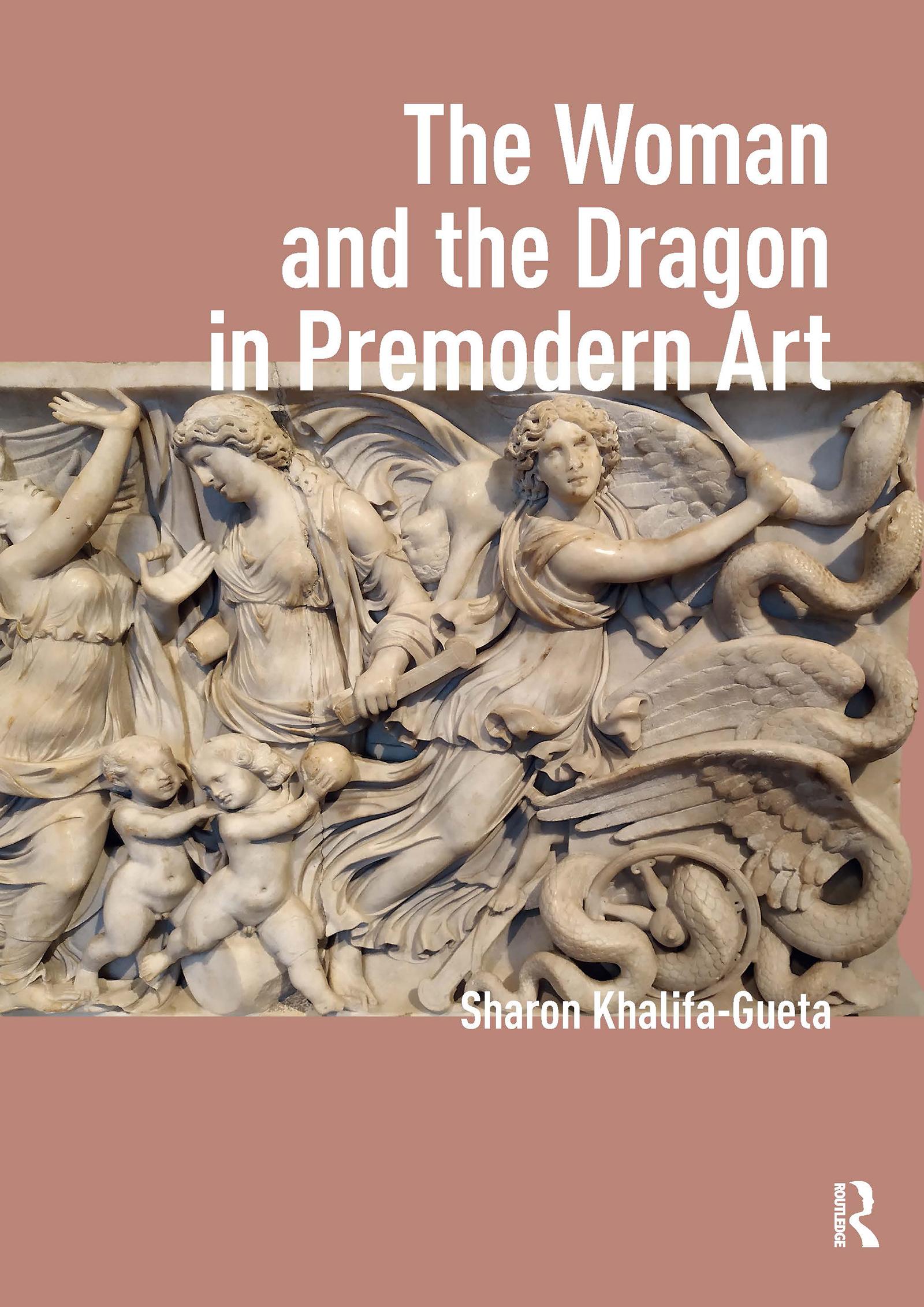
The motif of the woman and the dragon has been prevalent in Western art since antiquity, yet has hitherto remained understudied, and artworks featuring this motif in Western Mediterranean cultures have been examined primarily in relation to the topos of the male dragon-slayer. This book analyzes artistic images of women and dragons over an extensive period, from Classical Greece and Rome (with forays to Egypt and Mesopotamia) to the early modern period in Western Europe. The unique methodology employed in the study of this motif reveals its sacred core, as well as its relationship to rituals of fertility and oracular knowledge, to the liminal realm between life and death, and to the symbolism of Great Mother goddesses. At the same time, the images explored throughout expose stereotypes and biases against women in unusual positions of power, which were embedded in the motif and persisted in Western European art.
Betal enkelt med kort, Klarna, Apple Pay eller Google Pay. Ikke fornøyd? Du har alltid 14 dagers angrerett. Les mer i våre vilkår. Har du spørsmål, send oss en e-post på hello@memmo.org.
Memmo gjør det enklere å studere – uansett hvor du er i verden. Hos oss samler du pensumbøker og smarte studieverktøy på ett og samme sted: sammendrag, quizer, podkaster og flashcards. Og så Ted, din studiekompis som svarer på alt du lurer på. Over 50 000 studenter studerer allerede her – bygget for at du skal lære raskere og stresse mindre.
Du vil kanskje også like
Kjøp boken0