
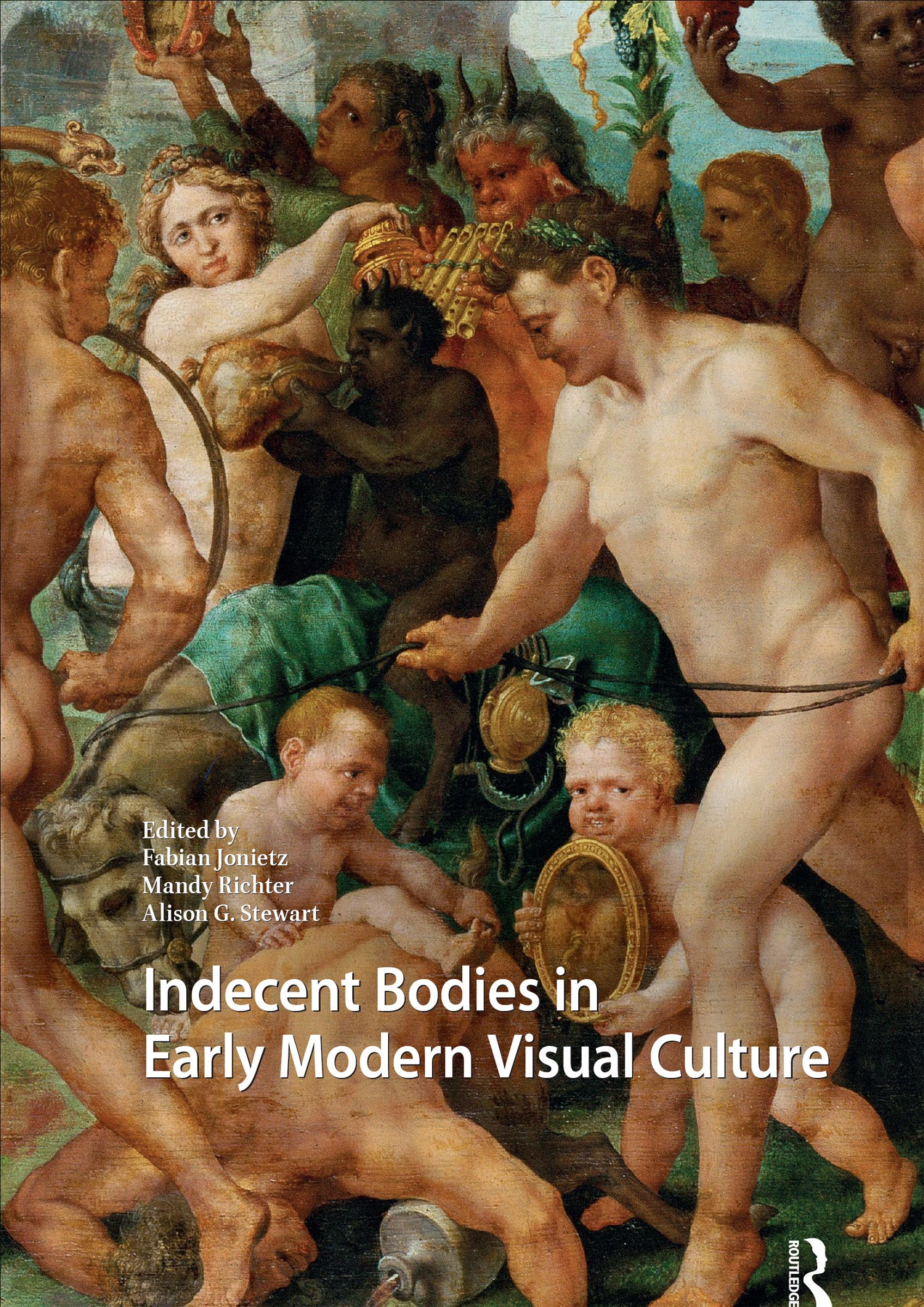
The life-like depiction of the body became a central interest and defining characteristic of the European Early Modern period that coincided with the establishment of which images of the body were to be considered ‘decent’ and representable, and which disapproved, censored, or prohibited. Simultaneously, artists and the public became increasingly interested in the depiction of specific body parts or excretions. This book explores the concept of indecency and its relation to the human body across drawings, prints, paintings, sculptures, and texts. The ten essays investigate questions raised by such objects about practices and social norms regarding the body, and they look at the particular function of those artworks within this discourse. The heterogeneous media, genres, and historical contexts north and south of the Alps studied by the authors demonstrate how the alleged indecency clashed with artistic intentions and challenges traditional paradigms of the historiography of Early Modern visual culture.
Betal enkelt med kort, Klarna, Apple Pay eller Google Pay. Ikke fornøyd? Du har alltid 14 dagers angrerett. Les mer i våre vilkår. Har du spørsmål, send oss en e-post på hello@memmo.org.
Memmo gjør det enklere å studere – uansett hvor du er i verden. Hos oss samler du pensumbøker og smarte studieverktøy på ett og samme sted: sammendrag, quizer, podkaster og flashcards. Og så Ted, din studiekompis som svarer på alt du lurer på. Over 50 000 studenter studerer allerede her – bygget for at du skal lære raskere og stresse mindre.
Du vil kanskje også like
Kjøp boken0