
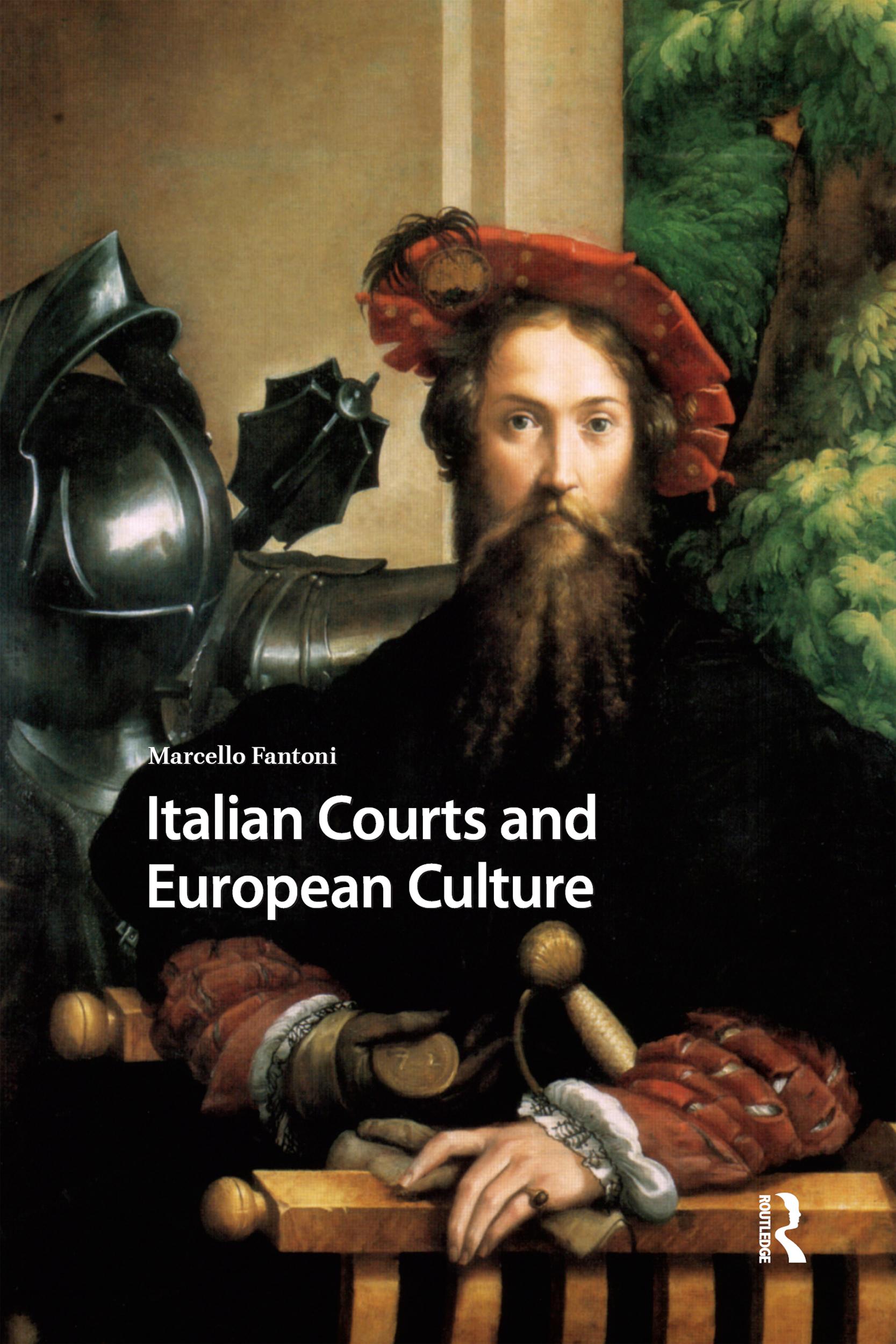
Between the fifteenth and the eighteenth century, princely courts dominated the Italian political scene. These courts were effervescent centers of cultural production. As such, they became a model for European monarchies who imported Italian courtly forma del vivere (‘style of life’) to legitimize their power and to define social status. This phenomenon included architecture and painting, theater and music, manners and aesthetics, and all the objects, behaviors and beliefs that contributed to homogenize European culture in the age of the Old Regime. It involved a hemorrhage of art and a continuous circulation of people, texts and symbols. The foundational material for this process was classicism and its purpose was political. This delineates a new geography and chronology of a truly European cultural history. It also provides the key traits for the European cultural identity. This book offers a comprehensive reconstruction of the Italian geo-political map focused on courts (thirteenth - seventeenth centuries) and analyses the homogeneity of political forms and of the Italian Christian-Classicist culture.
Betal enkelt med kort, Klarna, Apple Pay eller Google Pay. Ikke fornøyd? Du har alltid 14 dagers angrerett. Les mer i våre vilkår. Har du spørsmål, send oss en e-post på hello@memmo.org.
Memmo gjør det enklere å studere – uansett hvor du er i verden. Hos oss samler du pensumbøker og smarte studieverktøy på ett og samme sted: sammendrag, quizer, podkaster og flashcards. Og så Ted, din studiekompis som svarer på alt du lurer på. Over 50 000 studenter studerer allerede her – bygget for at du skal lære raskere og stresse mindre.