
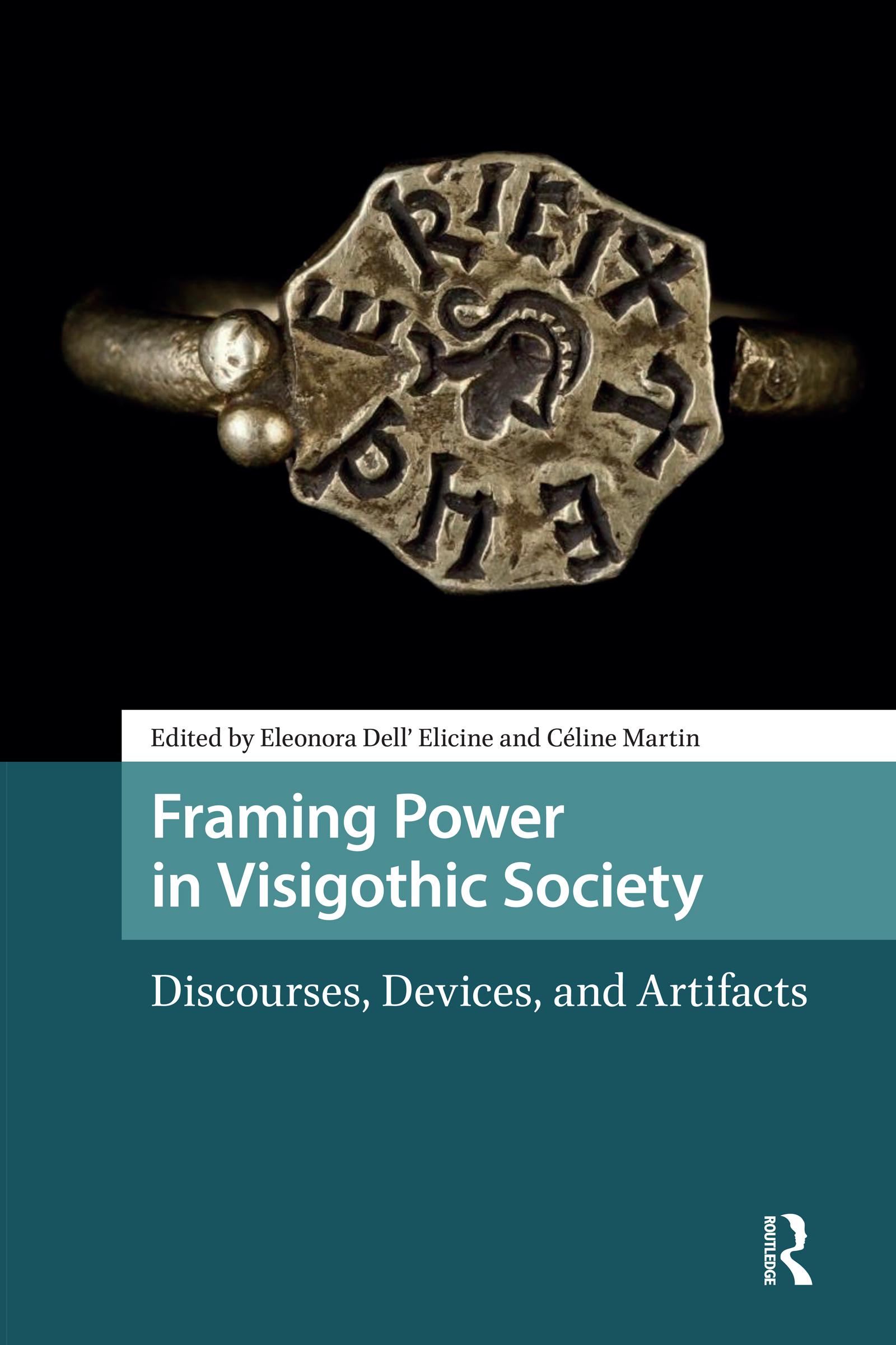
This volume examines how power was framed in Visigothic society and how a diverse population with a complex and often conflicting cultural inheritance was thereby held together as a single kingdom. Indeed, through this dynamic process a new, early medieval society emerged. Understanding this transformation is no simple matter, as it involved the deployment of an array of political and cultural resources: the production of knowledge, the appropriation of Patristic literature, controlling and administering rural populations, reconceptualizing the sacred, capital punishment and exile, controlling the manufacture of currency, and defining Visigothic society in relation to other polities such as the neighbouring Byzantine state. In order to achieve an analysis of these different phenomena, this volume brings together researchers from a variety of disciplines. This interdisciplinary approach therefore expands the available sources and reformulates topics of traditional scholarship in order to engage with a renewal of Visigothic Studies and reformulate the paradigm of study itself. As a result, this volume rethinks frameworks of power in the Peninsula along not only historical and archaeological but also anthropological terms, presenting the reader with a new understanding of Iberian society as a whole.
Betal enkelt med kort, Klarna, Apple Pay eller Google Pay. Ikke fornøyd? Du har alltid 14 dagers angrerett. Les mer i våre vilkår. Har du spørsmål, send oss en e-post på hello@memmo.org.
Memmo gjør det enklere å studere – uansett hvor du er i verden. Hos oss samler du pensumbøker og smarte studieverktøy på ett og samme sted: sammendrag, quizer, podkaster og flashcards. Og så Ted, din studiekompis som svarer på alt du lurer på. Over 50 000 studenter studerer allerede her – bygget for at du skal lære raskere og stresse mindre.
Du vil kanskje også like
Kjøp boken0