
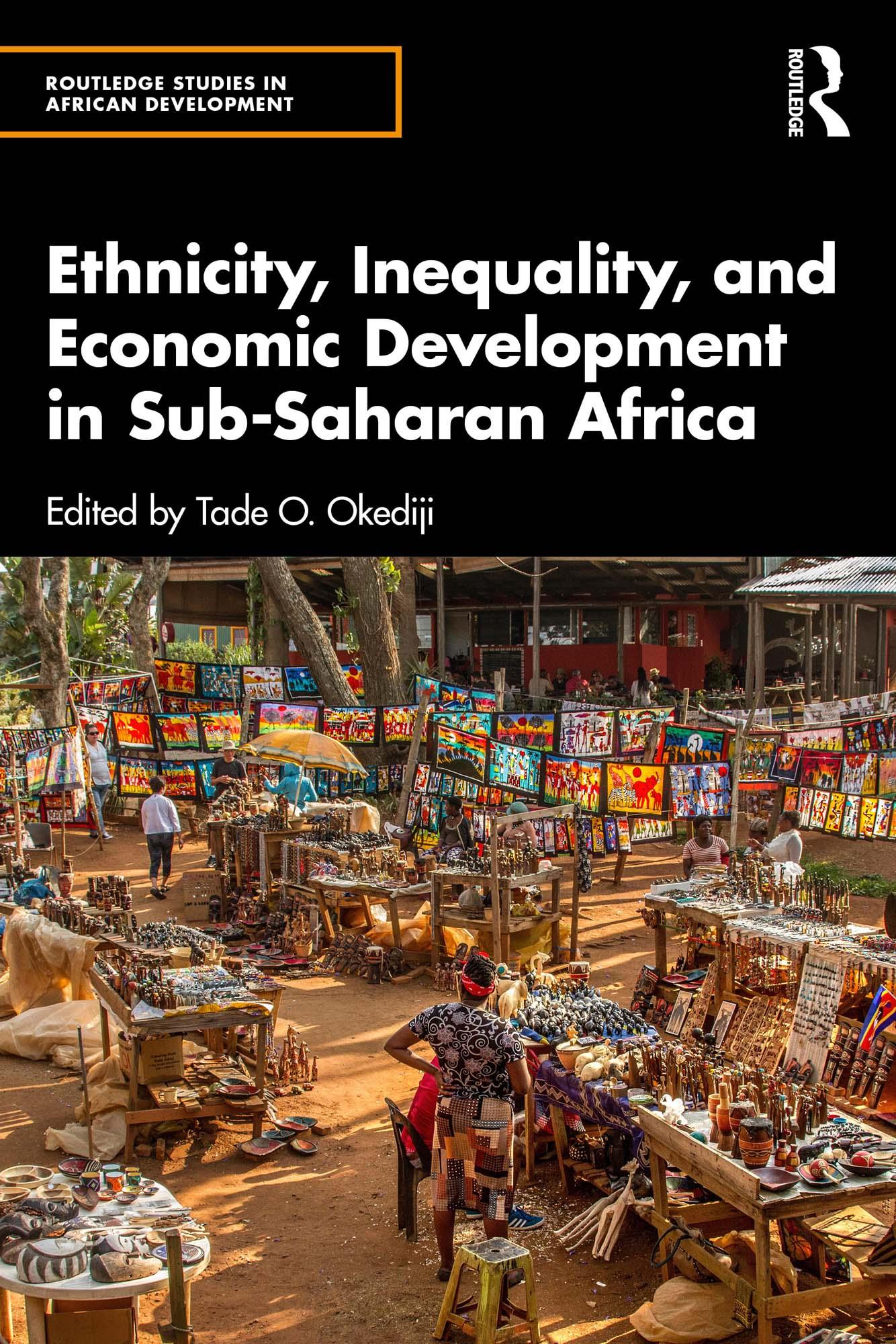
This book uses a multidisciplinary approach to explore the links between ethnicity, inequality, and economic development in sub‑Saharan Africa.
This book shows how ethnic identity influences all aspects of life in African societies, defining access to political institutions and economic resources, resulting in horizontal or structural inequalities. It demonstrates that ethnicity operates both directly and indirectly through political and economic institutions in which the dynamics of ethnic engagement serve as a basis for resource allocation. Drawing on a blend of micro and macro perspectives, this book assesses the economic, cultural, legal, and sociological connections among ethnicity, inequality, and economic development in sub‑Saharan Africa. Chapters provide a critical framework that grounds ethnic fragmentation as a central agency of underdevelopment and principally focus on three key areas:
- The origins and dynamics of ethnicity in sub‑Saharan Africa
- Socioeconomic inequality in sub‑Saharan Africa and its link to ethnic identity
- The relationship between governance networks and ethnic identity
A distinctive contribution to development literature, this book will be of interest to students and scholars of economics, development studies, geography, anthropology, political science, sociology, and African studies.
Betal enkelt med kort, Klarna, Apple Pay eller Google Pay. Ikke fornøyd? Du har alltid 14 dagers angrerett. Les mer i våre vilkår. Har du spørsmål, send oss en e-post på hello@memmo.org.
Memmo gjør det enklere å studere – uansett hvor du er i verden. Hos oss samler du pensumbøker og smarte studieverktøy på ett og samme sted: sammendrag, quizer, podkaster og flashcards. Og så Ted, din studiekompis som svarer på alt du lurer på. Over 50 000 studenter studerer allerede her – bygget for at du skal lære raskere og stresse mindre.