
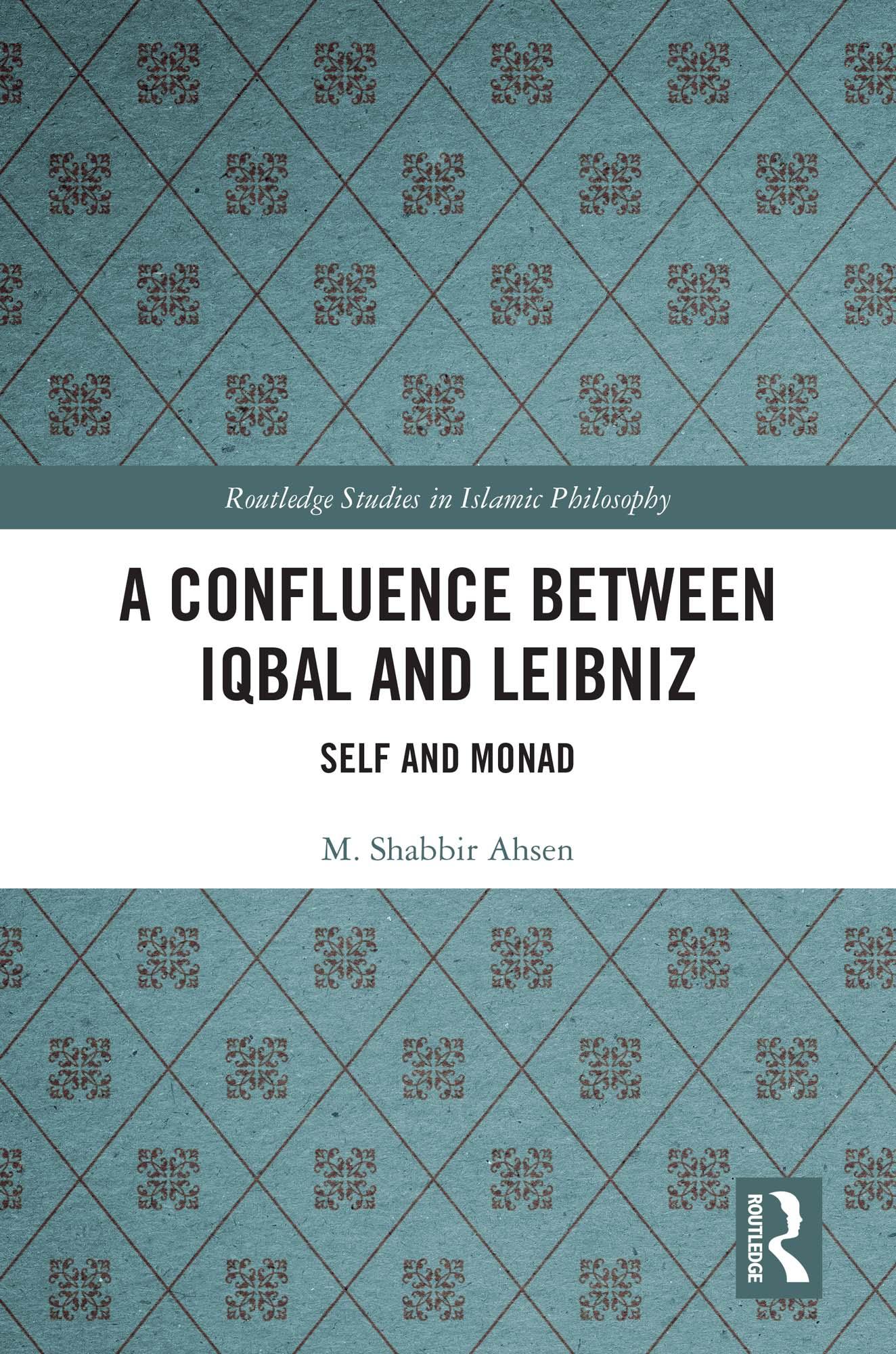
A Confluence Between Iqbal and Leibniz: Self and Monad explores the striking metaphysical parallels between two towering thinkers separated by centuries – Gottfried Wilhelm Leibniz and Muhammad Iqbal.
Bringing these philosophical traditions into dialogue, the book makes a compelling case that both Leibniz and Iqbal articulate a theistic worldview rooted in the metaphysics of plural, self-contained entities: monads for Leibniz and egos or selves for Iqbal. Each thinker posits a universe governed by an omniscient, omnipotent, and benevolent God who grounds all existence and meaning. Through close comparative analysis, the book reveals how both philosophers address the problem of evil, reject Newtonian mechanics, and offer a vision of the cosmos that centres on dynamic individuality and divine purpose. It also revisits and reinterprets key debates in Iqbal scholarship – challenging views that portray him as anti-reason thinkers like Bergson or Nietzsche. In doing so, it opens the possibility that Iqbal’s conception of freedom may even offer a valuable corrective to persistent critiques of Leibniz’s account of agency and determinism.
This work will appeal to students and scholars of comparative philosophy, Islamic thought, metaphysics, and religious studies, and to anyone interested in how modern and classical traditions can converge to illuminate enduring questions of self, freedom, and divine order.
Betal enkelt med kort, Klarna, Apple Pay eller Google Pay. Ikke fornøyd? Du har alltid 14 dagers angrerett. Les mer i våre vilkår. Har du spørsmål, send oss en e-post på hello@memmo.org.
Memmo gjør det enklere å studere – uansett hvor du er i verden. Hos oss samler du pensumbøker og smarte studieverktøy på ett og samme sted: sammendrag, quizer, podkaster og flashcards. Og så Ted, din studiekompis som svarer på alt du lurer på. Over 50 000 studenter studerer allerede her – bygget for at du skal lære raskere og stresse mindre.