
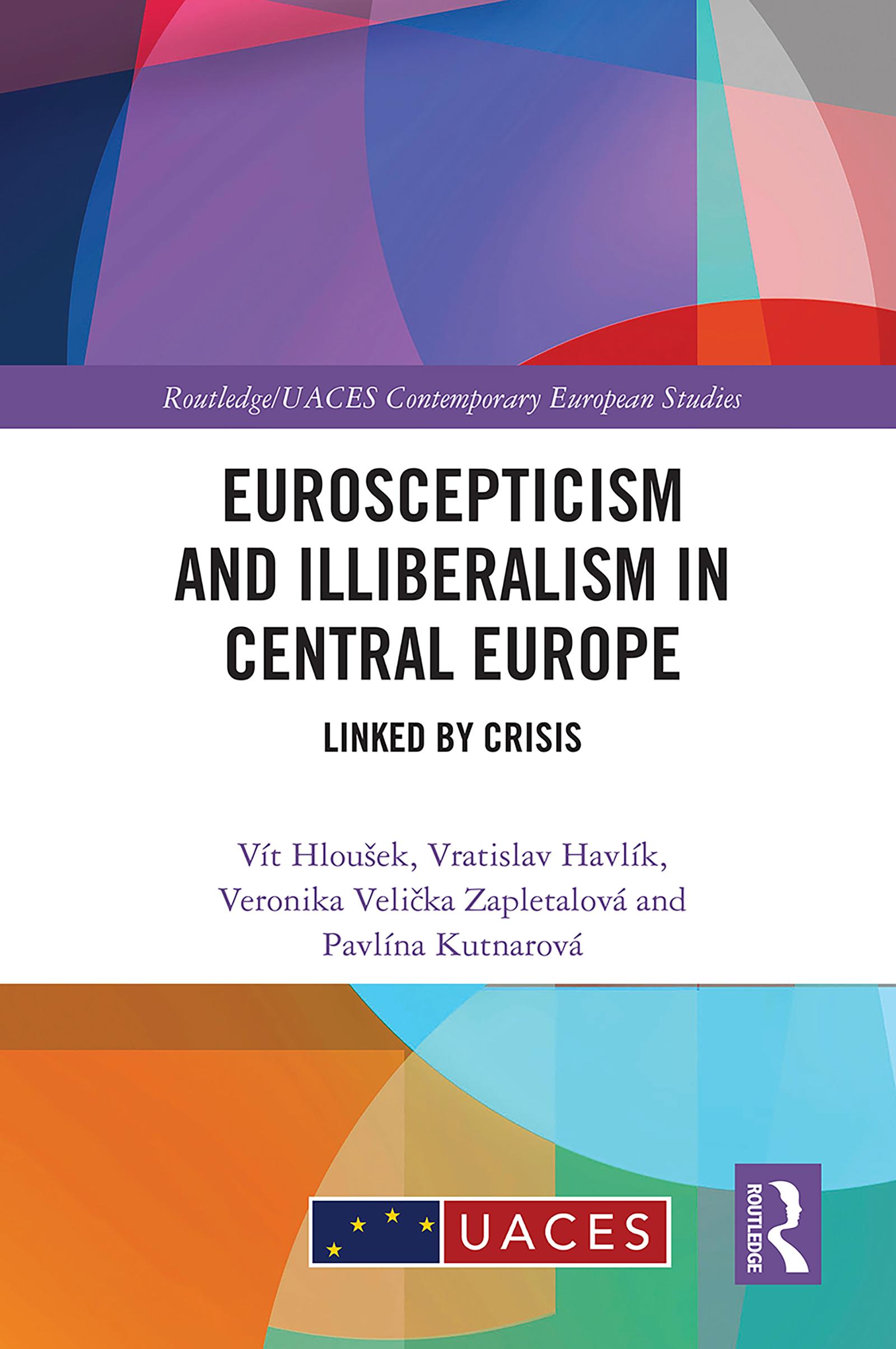
This book uses the V4 countries as an ideal political environment for testing shifts in Euroscepticism and illiberalism in the dynamic context of the “politicising moments” of multiple crises.
It analyses what kind of Euroscepticism prevailed in East-Central Europe during the COVID-19 and Ukrainian war crises and how it changed compared to its manifestation during the earlier Eurozone and migration crises. With this, it looks at how, and under what circumstances, Eurosceptic narratives were linked to illiberal ones. The authors reveal that Euroscepticism and illiberalism are more than pure coincidence and highlight the conceptual connections between them, showing how Euroscepticism and illiberalism cross-fertilise and reinforce each other.
This book is of key interest to scholars and students of Euroscepticism, Central-Eastern European, party politics, illiberalism, politics in the period of crises and more broadly to European and EU studies, comparative politics, and area studies.
Betal enkelt med kort, Klarna, Apple Pay eller Google Pay. Ikke fornøyd? Du har alltid 14 dagers angrerett. Les mer i våre vilkår. Har du spørsmål, send oss en e-post på hello@memmo.org.
Memmo gjør det enklere å studere – uansett hvor du er i verden. Hos oss samler du pensumbøker og smarte studieverktøy på ett og samme sted: sammendrag, quizer, podkaster og flashcards. Og så Ted, din studiekompis som svarer på alt du lurer på. Over 50 000 studenter studerer allerede her – bygget for at du skal lære raskere og stresse mindre.