
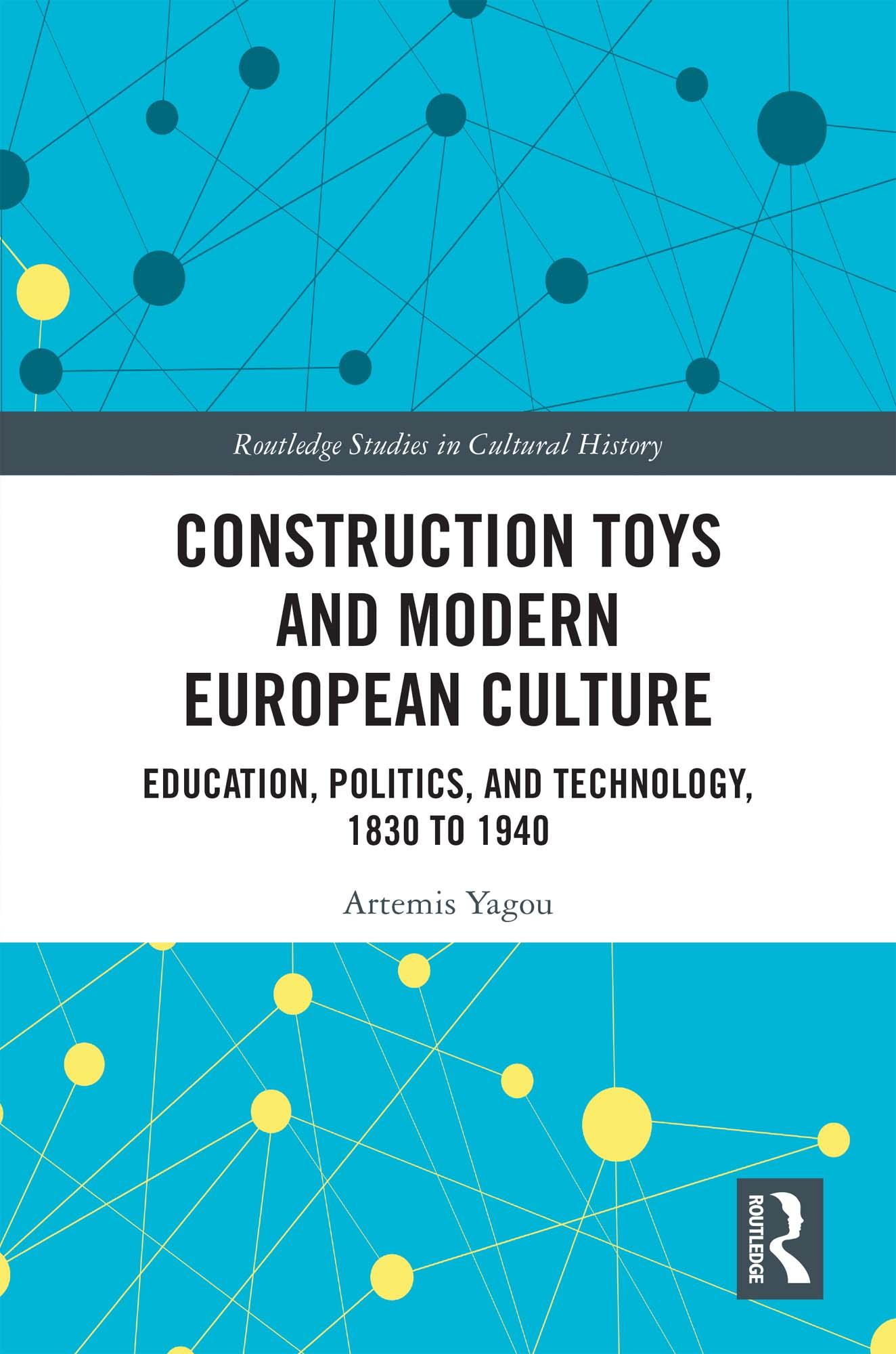
This innovative take on construction toys explores the development and use of building-inspired playthings between 1830 and 1940 as they became the educational toys par excellence for industrialised and industrialising societies in Europe and elsewhere.
Playful and instructive at the same time, and sitting at the intersection of leisure, learning, and technology, construction toys exemplified directed, purposeful play. Both commercially oriented and avant-garde producers attempted to shape children through these objects by instilling a range of skills, particularly patience, discipline, and a sense of order. By acquiring and employing such toys for their children, middle-class families attempted to come to terms with the contradictions of modernity, the demands of new technologies, and the fear resulting from their relentless advance. This book uses objects from museum collections and rich textual sources as a starting point for examining these themes, with special emphasis on neglected or controversial areas such as political and nationalist aspects of play, negative emotions during play, and the perspective of children.
Since play is the core subject, this book will appeal to very broad specialist and non-specialist audiences.
Betal enkelt med kort, Klarna, Apple Pay eller Google Pay. Ikke fornøyd? Du har alltid 14 dagers angrerett. Les mer i våre vilkår. Har du spørsmål, send oss en e-post på hello@memmo.org.
Memmo gjør det enklere å studere – uansett hvor du er i verden. Hos oss samler du pensumbøker og smarte studieverktøy på ett og samme sted: sammendrag, quizer, podkaster og flashcards. Og så Ted, din studiekompis som svarer på alt du lurer på. Over 50 000 studenter studerer allerede her – bygget for at du skal lære raskere og stresse mindre.