
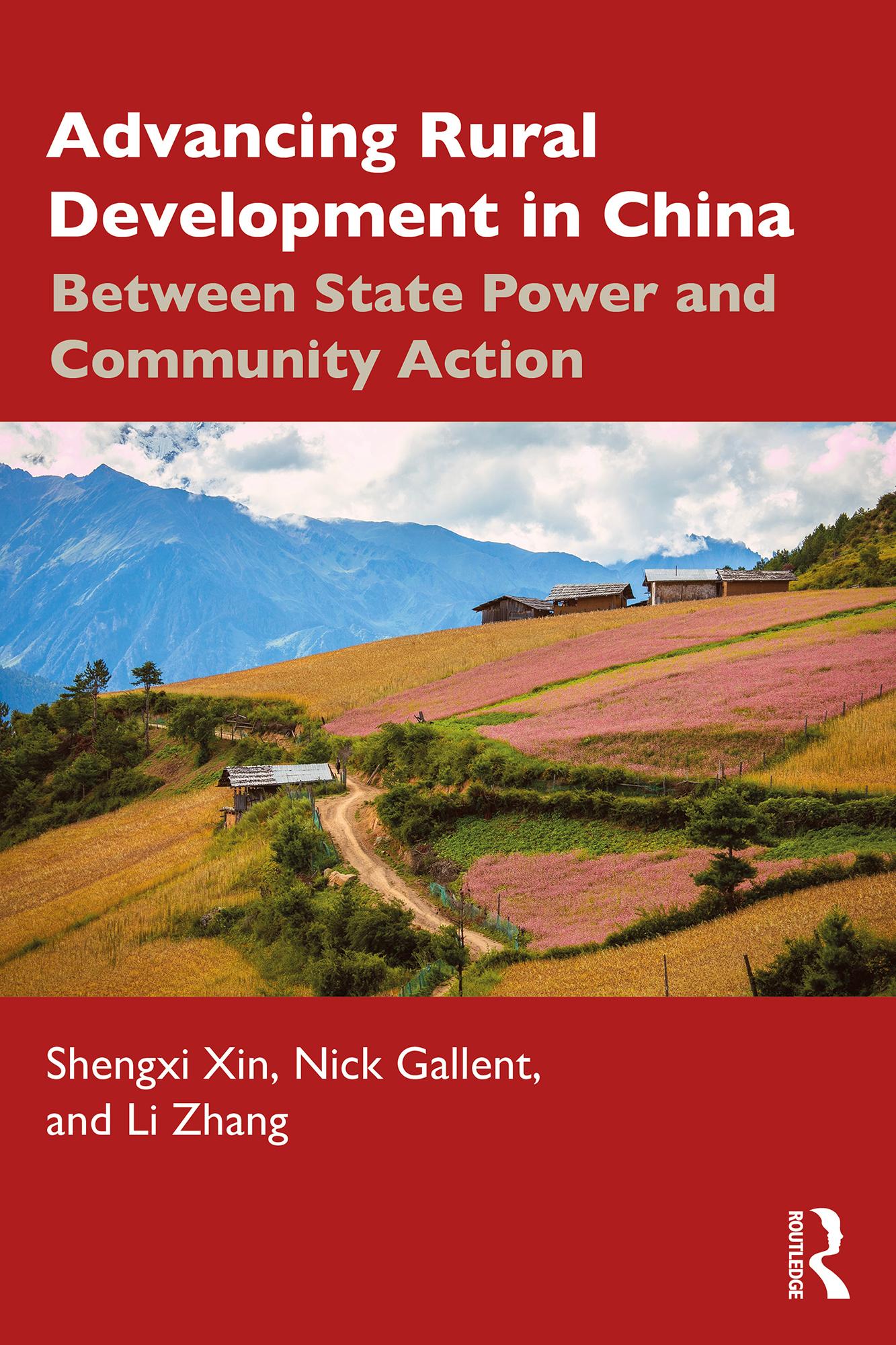
This book is about the practice of rural development in contemporary China. It evolves the concept of 'neo-exogenous development' to explain how the power of the state links to community action via local party structures, in pursuit of both state-building and rural revitalisation.
Through case studies, the book examines how central government investments are channelled through area-based programmes, which are then locally implemented by party-state and community actors. It illustrates significant continuity in China's rural development, from the imperial era, through the Maoist Collectivization Movement, and onwards to the Open Reform and current National Rural Revitalization Strategy. Advancing Rural Development in China re-evaluates the theory and practice of rural development, identifying important lessons for other nations.
The book presents a critical study of China's approach to rural development for students and researchers in the fields of human geography, rural sociology, planning, agricultural economics, public management, and international development.
Betal enkelt med kort, Klarna, Apple Pay eller Google Pay. Ikke fornøyd? Du har alltid 14 dagers angrerett. Les mer i våre vilkår. Har du spørsmål, send oss en e-post på hello@memmo.org.
Memmo gjør det enklere å studere – uansett hvor du er i verden. Hos oss samler du pensumbøker og smarte studieverktøy på ett og samme sted: sammendrag, quizer, podkaster og flashcards. Og så Ted, din studiekompis som svarer på alt du lurer på. Over 50 000 studenter studerer allerede her – bygget for at du skal lære raskere og stresse mindre.