
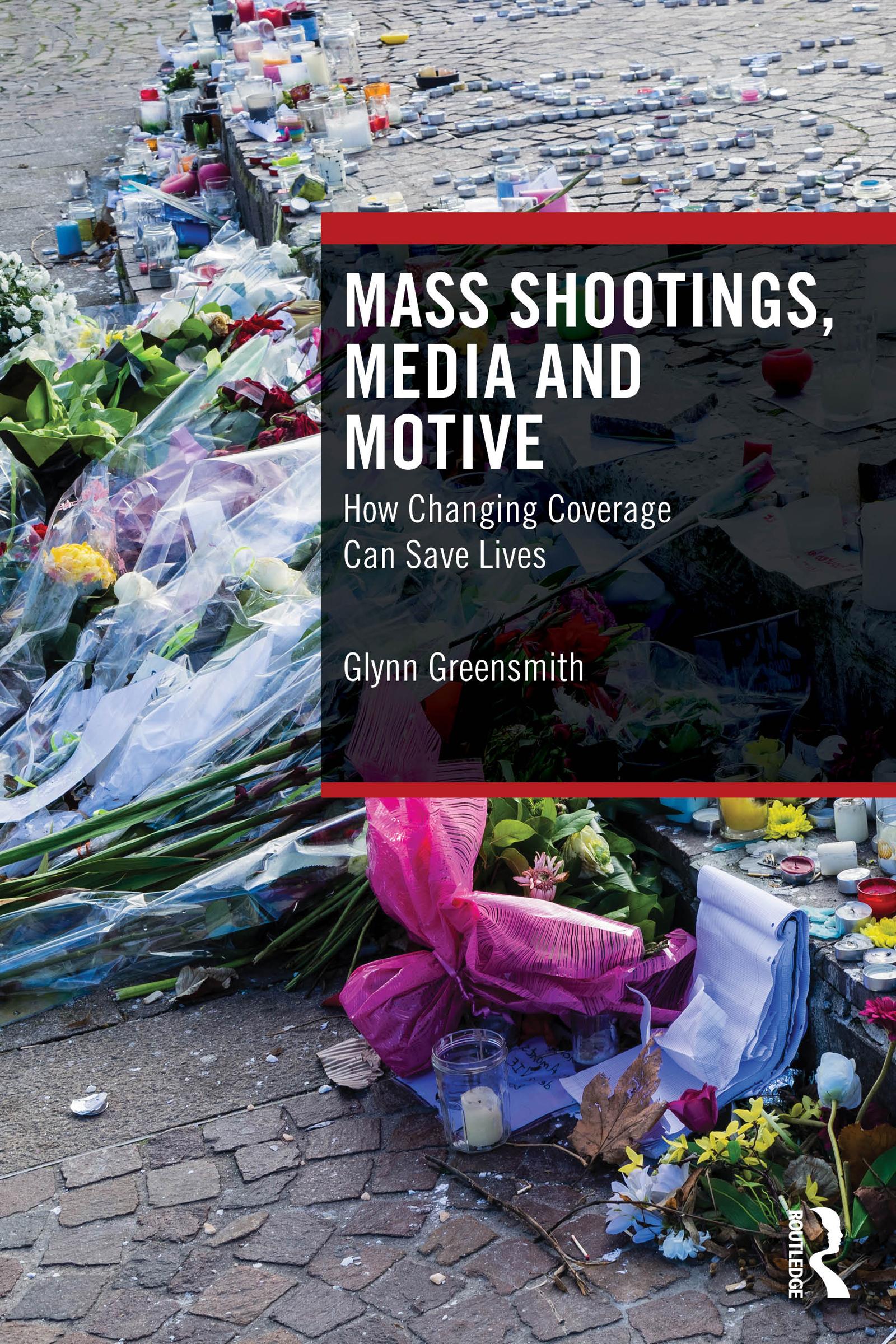
Media coverage is a hugely significant factor in the rise, frequency, and lethality of mass shootings. After the murder of 16 people at the University of Texas in 1966, the crime of random mass shootings went from an oddity, a rarity, to widespread. What changed? In simple terms: the news did.
This book uses major cultural events in Australia (Port Arthur and Bondi Beach), Scotland (Dunblane), Norway (Oslo), New Zealand (Christchurch), and the US to synthesise 60 years of mass shooting research into the journalism perspective, outlining: the script of coverage, the nature of copycat versus contagion, the typology and lessons from the amok phenomenon, and the relevance of the rise of single-actor terrorism. It outlines the history of mass murder, details the turning points, and brings first-hand accounts from those who have been directly impacted by it, and those who have reported it.
This book outlines changes to reporting guidelines that have been made, and the news editors who made those changes explain exactly why and how they did it. This book details and recommends changes that can be made: recommendations for reporting guidelines that can make a difference, that can unquestionably save lives. How we tell a story matters, and, in the case of mass murder, the journalism perspective is essential.
Change the story, change the crime.
Betal enkelt med kort, Klarna, Apple Pay eller Google Pay. Ikke fornøyd? Du har alltid 14 dagers angrerett. Les mer i våre vilkår. Har du spørsmål, send oss en e-post på hello@memmo.org.
Memmo gjør det enklere å studere – uansett hvor du er i verden. Hos oss samler du pensumbøker og smarte studieverktøy på ett og samme sted: sammendrag, quizer, podkaster og flashcards. Og så Ted, din studiekompis som svarer på alt du lurer på. Over 50 000 studenter studerer allerede her – bygget for at du skal lære raskere og stresse mindre.