
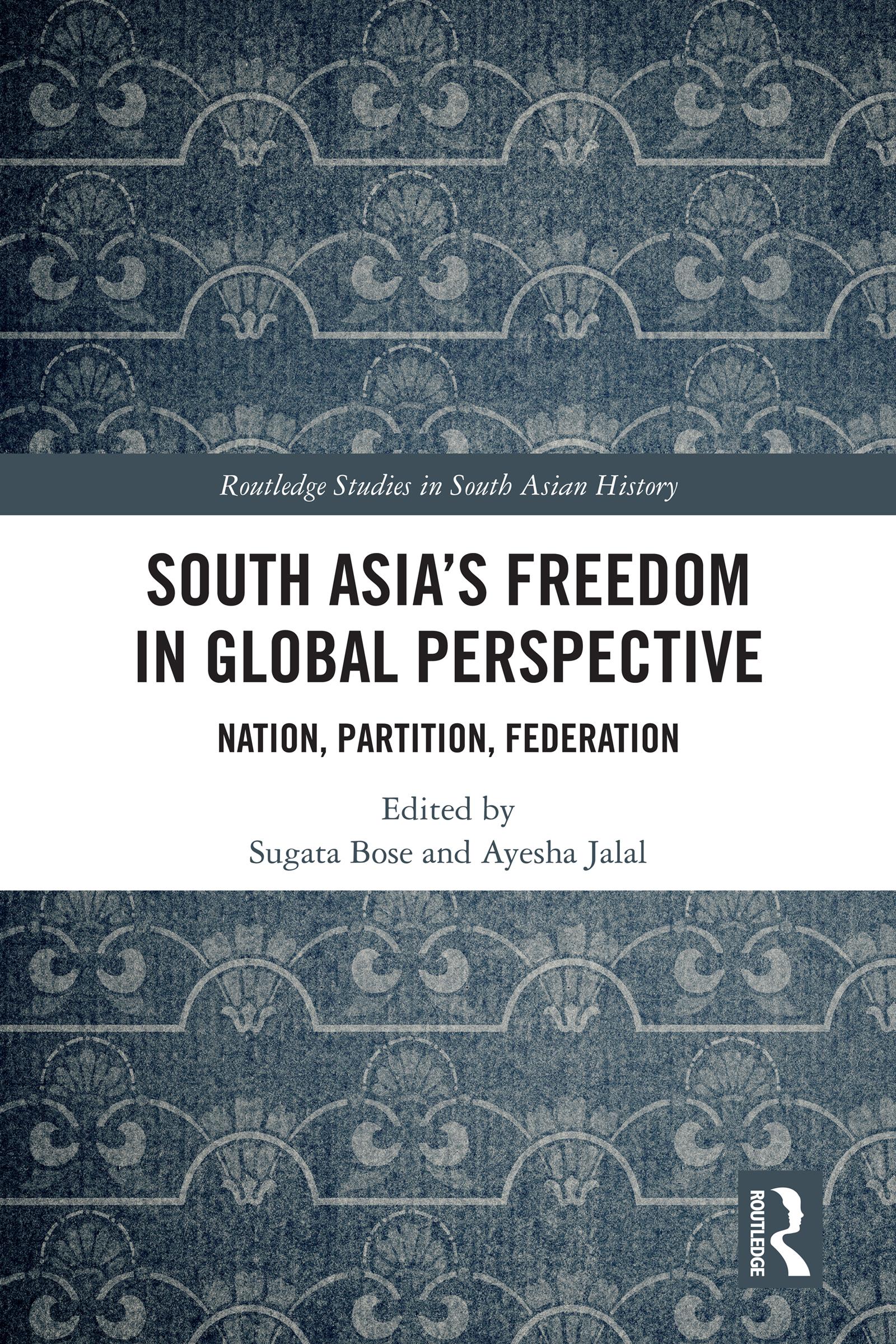
This book engages in a creative process of historical retrieval of visions for substantive democracy and federal union during the struggle for freedom that remained unrealized during the postcolonial transition.
Structured in three parts, the book examines the historical trajectory of South Asia in the twentieth and twenty-first centuries in its full complexity. Contributors to the book place the momentous event of independence and partition of India in a global perspective. Resisting the triumphalist nationalist narratives – that see the present-day nation-states of India and Pakistan, and also Bangladesh, Sri Lanka, and Burma as the preordained goal of the anticolonial struggle – the chapters analyze the process of South Asian independence, partition, and constitution-making. The book examines the relationship between nation, partition, and federation in the aftermath of liberal imperialism. Exposing the hollowness of celebratory accounts of liberal democracy in postcolonial South Asia, this book squarely confronts the historical roots of the contemporary crisis of authoritarianism in a global context. By identifying the requirements of genuine and substantive democracy in the subcontinent, the book charts a creative way toward a better constitutional and political future.
Raising questions that are fundamental to our understanding of modern South Asia and its place in the world, the book will be of interest to students and researchers of South Asian history, politics, and decolonization.
Betal enkelt med kort, Klarna, Apple Pay eller Google Pay. Ikke fornøyd? Du har alltid 14 dagers angrerett. Les mer i våre vilkår. Har du spørsmål, send oss en e-post på hello@memmo.org.
Memmo gjør det enklere å studere – uansett hvor du er i verden. Hos oss samler du pensumbøker og smarte studieverktøy på ett og samme sted: sammendrag, quizer, podkaster og flashcards. Og så Ted, din studiekompis som svarer på alt du lurer på. Over 50 000 studenter studerer allerede her – bygget for at du skal lære raskere og stresse mindre.