
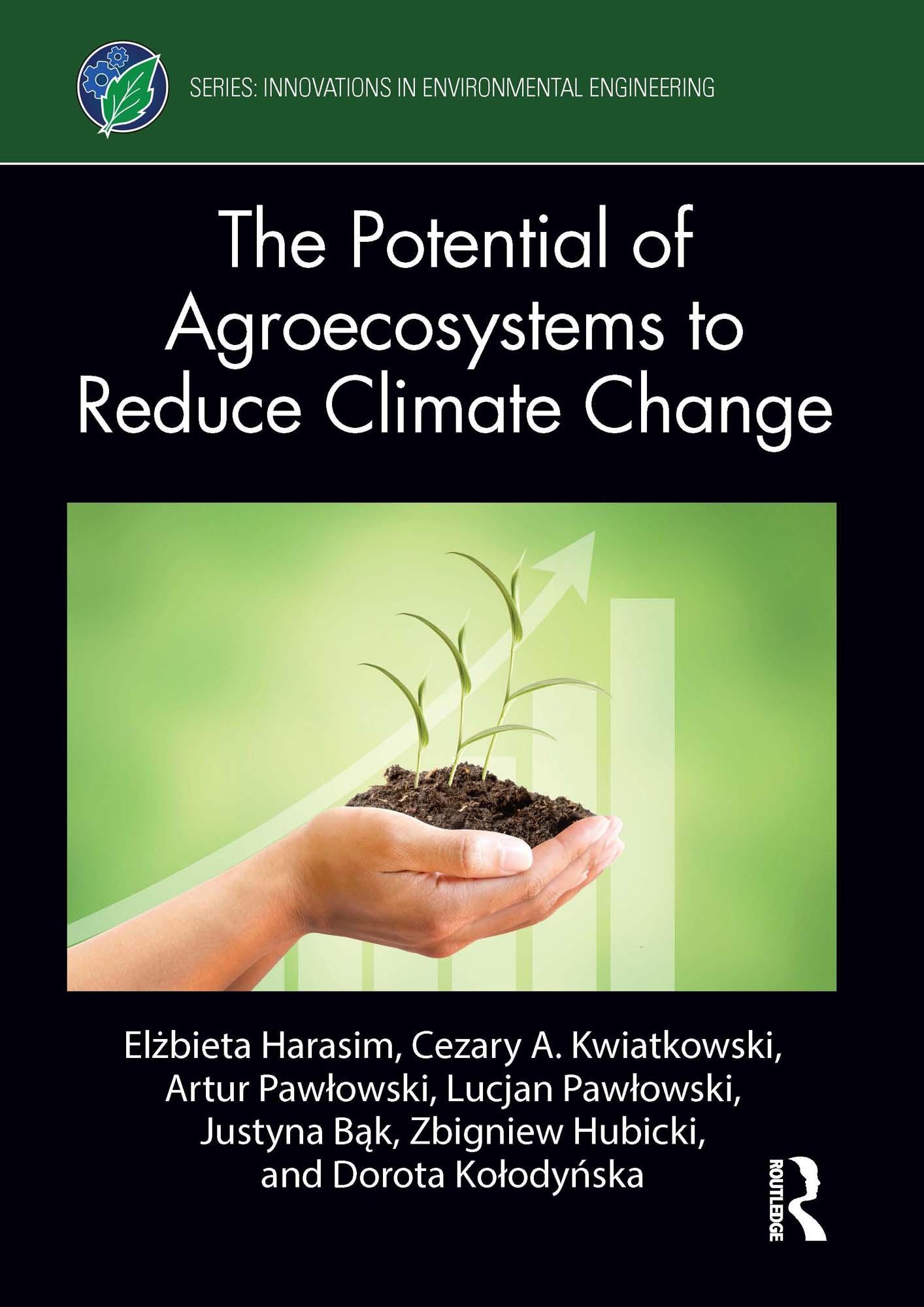
As agricultural systems bear the brunt of global population growth, the world faces an unprecedented challenge: meeting rising food demands while mitigating environmental degradation and climate change. The agricultural intensification methods pioneered since the 1960s have exacted a significant environmental toll in the form of diminishing biodiversity, reducing carbon storage capacity, depleting water resources, degrading soil quality, and increasing greenhouse gas emissions.
This comprehensive monograph presents innovative solutions for transforming agroecosystems from environmental liabilities into powerful climate mitigation tools. The authors examine cutting-edge agrotechnical treatments, environmental engineering technologies, and circular economy principles that enable agricultural waste to serve as effective soil improvers and fertilizers. Particular emphasis is placed on the physicochemical properties of biochar and its critical role in carbon sequestration, offering readers both theoretical foundations and practical applications.
This is a valuable resource for agricultural scientists, environmental engineers, sustainability professionals, policymakers, graduate students in environmental sciences, and anyone committed to understanding and addressing the intersection of food security and climate change.
Betal enkelt med kort, Klarna, Apple Pay eller Google Pay. Ikke fornøyd? Du har alltid 14 dagers angrerett. Les mer i våre vilkår. Har du spørsmål, send oss en e-post på hello@memmo.org.
Memmo gjør det enklere å studere – uansett hvor du er i verden. Hos oss samler du pensumbøker og smarte studieverktøy på ett og samme sted: sammendrag, quizer, podkaster og flashcards. Og så Ted, din studiekompis som svarer på alt du lurer på. Over 50 000 studenter studerer allerede her – bygget for at du skal lære raskere og stresse mindre.