
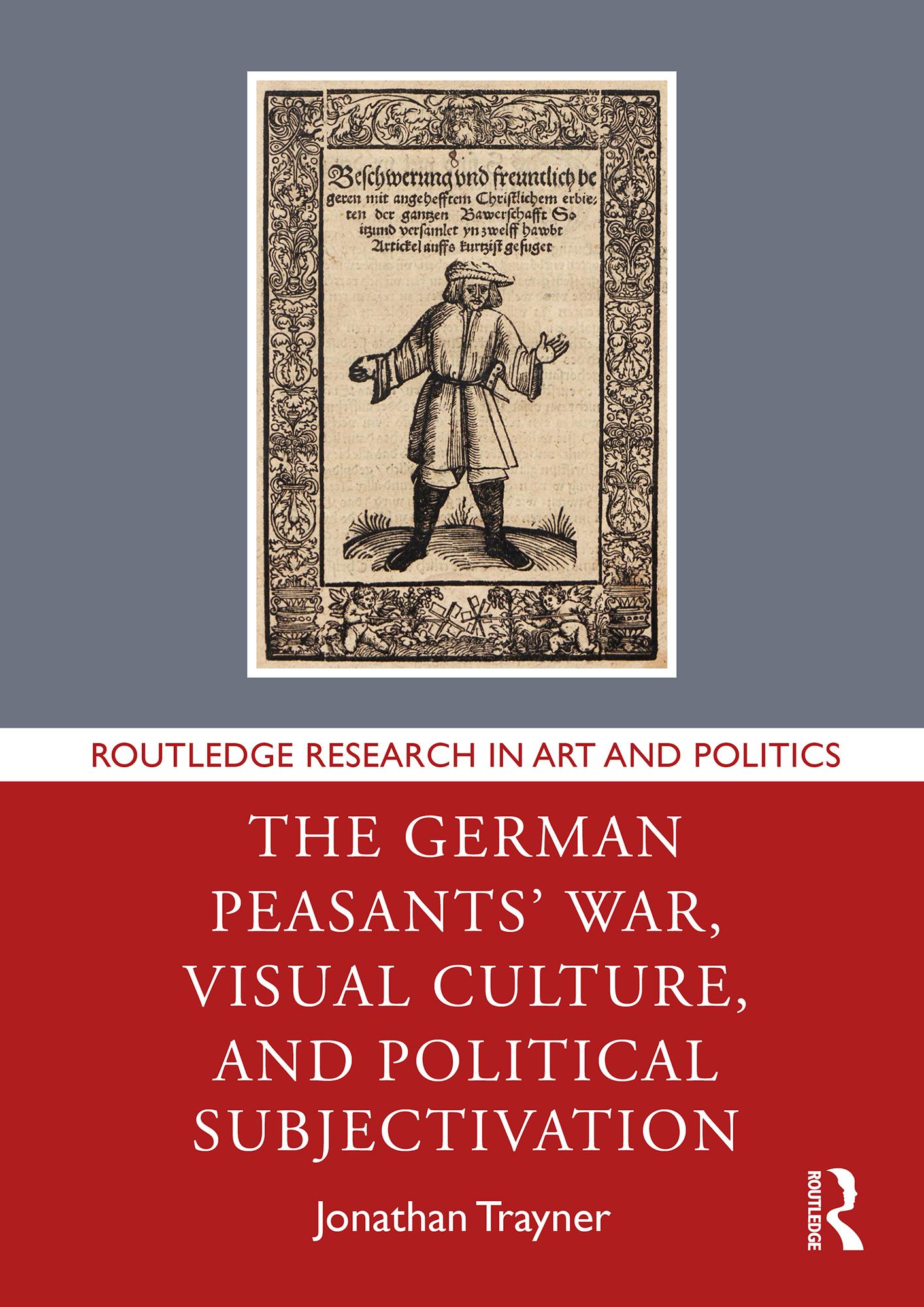
This study examines the visual productions of the German Peasants’ War – pamphlets, banners, and clothing – to argue for the disruptive and radical visual legacy in which hierarchies and modes of subjection were overturned.
Drawing on the author’s experience as a print maker and artist, the book offers a close and sympathetic analysis of the visual culture produced in this moment of war and revolt. Far from only being a matter of historical interest, these disruptive modes of visual production also resonate with contemporary debates about dissensus, populism, and political identity, especially in the work of Jacques Rancière. The refusal of these peasants (and mercenaries and some clergy) to remain in their place ruptured the visual field of power. It was also the repression of this popular eruption that was to shape conventional visual culture and politics as a reaction.
The book will be of interest to scholars working in art history, visual culture, medieval and early modern studies, and political history.
Betal enkelt med kort, Klarna, Apple Pay eller Google Pay. Ikke fornøyd? Du har alltid 14 dagers angrerett. Les mer i våre vilkår. Har du spørsmål, send oss en e-post på hello@memmo.org.
Memmo gjør det enklere å studere – uansett hvor du er i verden. Hos oss samler du pensumbøker og smarte studieverktøy på ett og samme sted: sammendrag, quizer, podkaster og flashcards. Og så Ted, din studiekompis som svarer på alt du lurer på. Over 50 000 studenter studerer allerede her – bygget for at du skal lære raskere og stresse mindre.