
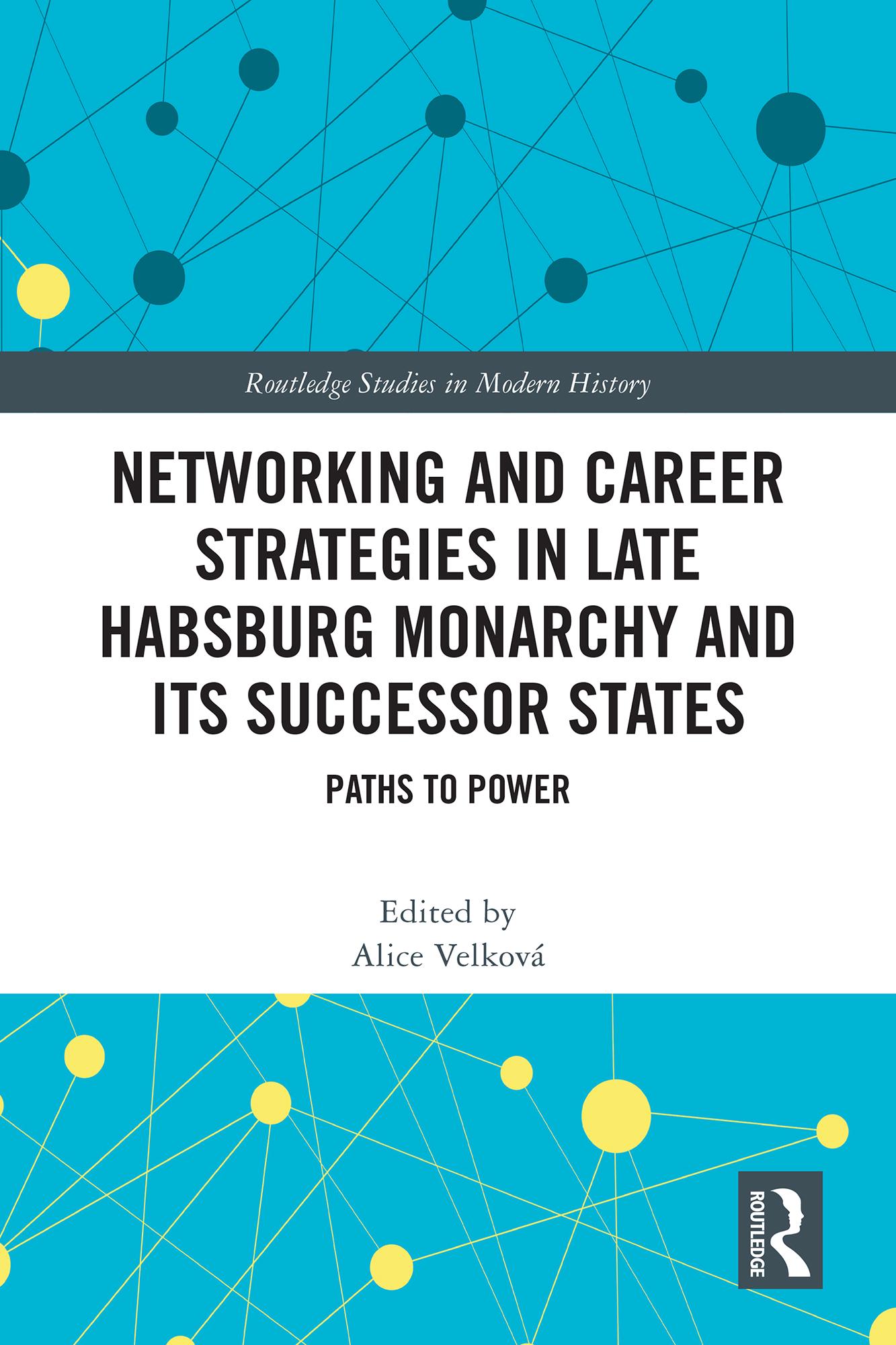
This comparative study of elite formation and social mobility in Central and Eastern Europe in the 19th and early 20th centuries focuses on Bohemia and Transylvania as representatives of different administrative systems – Cisleithanian and Transleithanian – within the Habsburg Monarchy.
Through 20 richly contextualized microhistorical case studies, the book illustrates the changing roles of education, professional networks and political transformations (particularly those occurring in 1848, 1867, 1918 and 1938) in shaping career paths and achieving elite status as high-ranking state officials and Members of Parliament. Furthermore, it explores the extent to which membership in various groups (ethnic, religious, social, educational, professional) influenced the intensity and success in the processes of social mobility. This innovative approach – combining comparative analysis and detailed reconstruction of relational networks including their visualizations – offers insights into the structures and strategies that underpinned the formation of the elite during a period of rapid social transformation.
This volume will appeal to scholars, students, and general readers interested in Central European history and social mobility.
Betal enkelt med kort, Klarna, Apple Pay eller Google Pay. Ikke fornøyd? Du har alltid 14 dagers angrerett. Les mer i våre vilkår. Har du spørsmål, send oss en e-post på hello@memmo.org.
Memmo gjør det enklere å studere – uansett hvor du er i verden. Hos oss samler du pensumbøker og smarte studieverktøy på ett og samme sted: sammendrag, quizer, podkaster og flashcards. Og så Ted, din studiekompis som svarer på alt du lurer på. Over 50 000 studenter studerer allerede her – bygget for at du skal lære raskere og stresse mindre.