
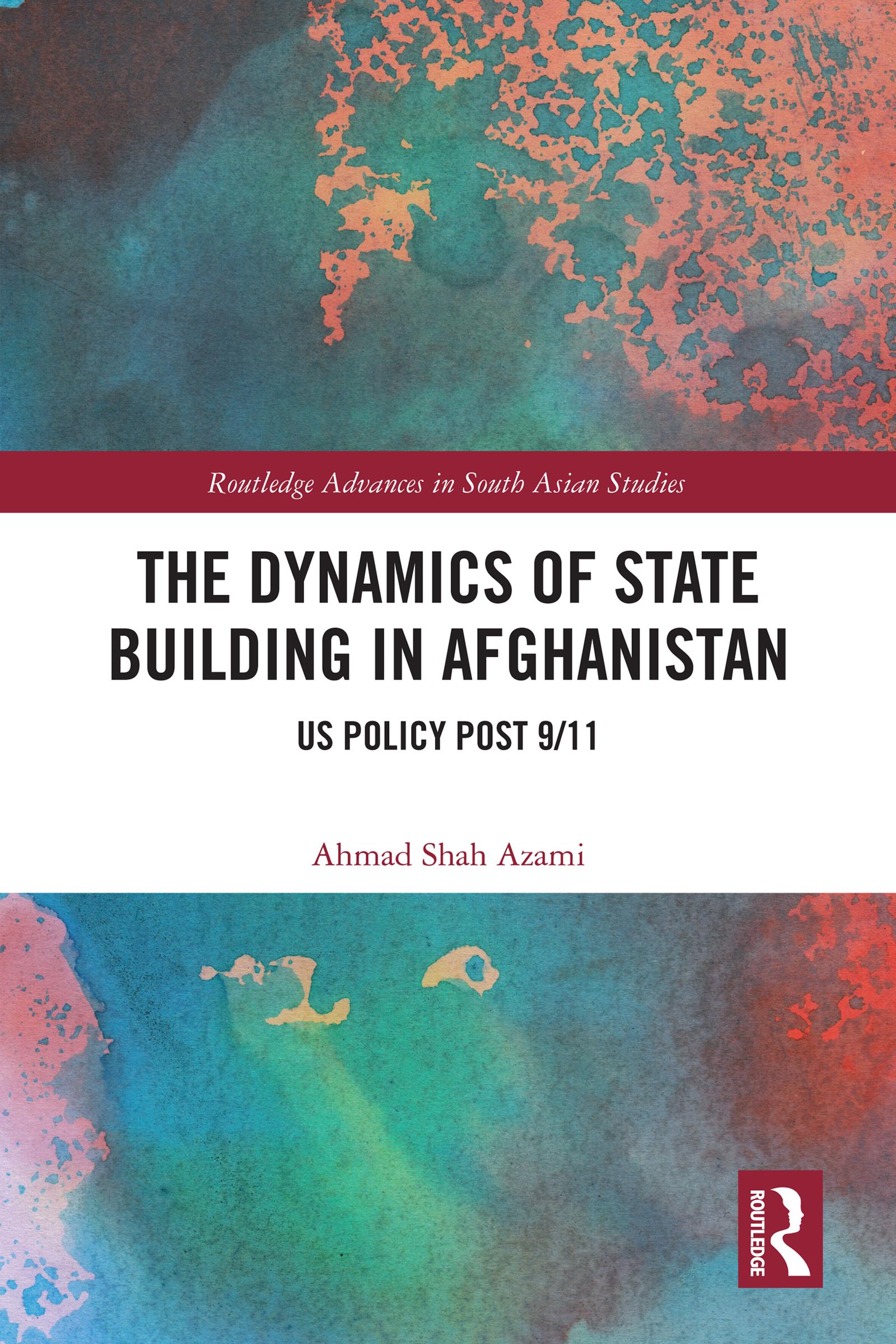
This book offers an all-encompassing, critical analysis of U.S.-led state-building in Afghanistan between 2001 and 2021, focusing on the three central pillars of security and peacebuilding, democratization, and economic development and reconstruction.
The book demonstrates how Afghans navigated the promises of an international project that aspired to rebuild sustainable and successful state institutions, but which often provoked fractures and neglected legitimate local agency. Chapters highlight persistent shortcomings in Washington’s strategy, including miscalculations and policy failures that undermined local governance and long-term stability. Drawing on extensive fieldwork and interviews, chapters provide original empirical insights by foregrounding Afghan voices–perspectives often marginalized in existing scholarship. Comprehensive in approach, the book ultimately offers a conceptual contribution to the study of intervention and state building, situating Afghanistan within broader debates on war and foreign intervention, peace and stability, and state building and governance.
Revealing the inherent limitations of externally driven state-building in fragile and conflict contexts, this book will be of interest to researchers studying international relations, political science, South Asian and Middle East studies, and the U.S. War on Terror.
Betal enkelt med kort, Klarna, Apple Pay eller Google Pay. Ikke fornøyd? Du har alltid 14 dagers angrerett. Les mer i våre vilkår. Har du spørsmål, send oss en e-post på hello@memmo.org.
Memmo gjør det enklere å studere – uansett hvor du er i verden. Hos oss samler du pensumbøker og smarte studieverktøy på ett og samme sted: sammendrag, quizer, podkaster og flashcards. Og så Ted, din studiekompis som svarer på alt du lurer på. Over 50 000 studenter studerer allerede her – bygget for at du skal lære raskere og stresse mindre.